






More Health Education Articles
How 3D Animation Makes Understanding Human Physiology Easier for Everyone
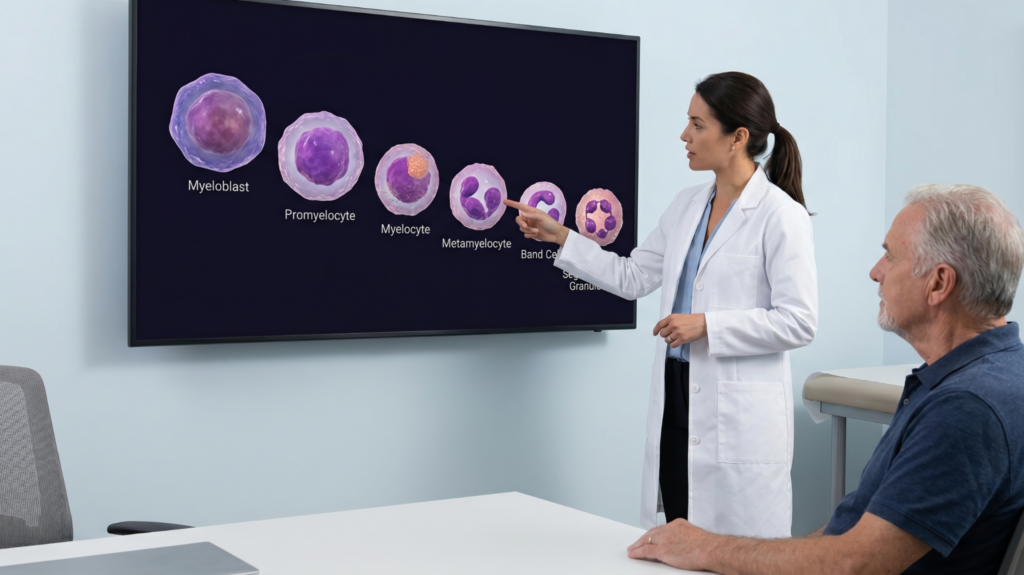
The human body is often described as one of the most complex existing systems. From the rhythmic beating of the heart to the lightning-fast synaptic firings of the brain, our human physiology operates through a series of intricate, interconnected systems that work in perfect harmony. Yet, for the average person, the internal workings of their own body remain a “black box”. Historically, the bridge between complex medical knowledge and public understanding has been narrow, often restricted by dense textbooks and static 2D diagrams.
Today, we are witnessing a paradigm shift in health education. The integration of high-fidelity 3D animation into public health sectors is revolutionizing patient education. Many of these educational visualizations are developed by specialized 3D animation studio teams working with healthcare organizations, educators, and medical experts. By transforming abstract biological processes into cinematic, interactive narratives, 3D is fostering a new era of patient understanding and preventative health.
The Cognitive Gap in Health Literacy
The term health literacy refers to an individual’s ability to find, understand, and use information and services to inform health-related decisions and actions. Unfortunately, traditional methods of explaining how the body works, such as verbal explanations from a physician or printed brochures, often fail to fulfill the task. A 2003 research study from the Journal of the Royal Society of Medicine, “Patients’ memory for medical information,” suggests that only 14% of patients were able to correctly remember verbal medical instructions.
This cognitive gap occurs because the human brain is not naturally wired to process raw data or complex anatomical terminology in isolation. However, it demonstrates far better abilities in catching patterns, spatial relationships, and movement. This is where visual learning in medicine provides a significant advantage. For example, a 3D animation of a lung expanding demonstrates respiration, allowing the viewer to build a mental map of their own anatomy. To support this learning journey, many professionals can even point patients toward an interactive medical encyclopedia. There, they can get high-quality anatomy and pathology 3D models, followed by the text explanations from medical professionals in numerous therapeutic areas.
Body Systems Explained: The Power of 3D Narrative
To appreciate the impact of 3D animation, one must look at how it elevates the way we see body systems explained. Static images can show you where an organ is, but 3D animation shows you what that organ does in motion.
For example, considering the heart, on a 2D diagram, the four chambers and various valves look like a flat map. In a 3D animation, the viewer can see the heart in a 360-degree space. They see the valves snapping shut to prevent backflow and the muscular walls contracting in a coordinated sequence. When a viewer sees how blood is oxygenated and delivered to the extremities, the advice to maintain a healthy diet and exercise stops being an abstract rule and starts being a logical necessity for maintaining that mechanism.
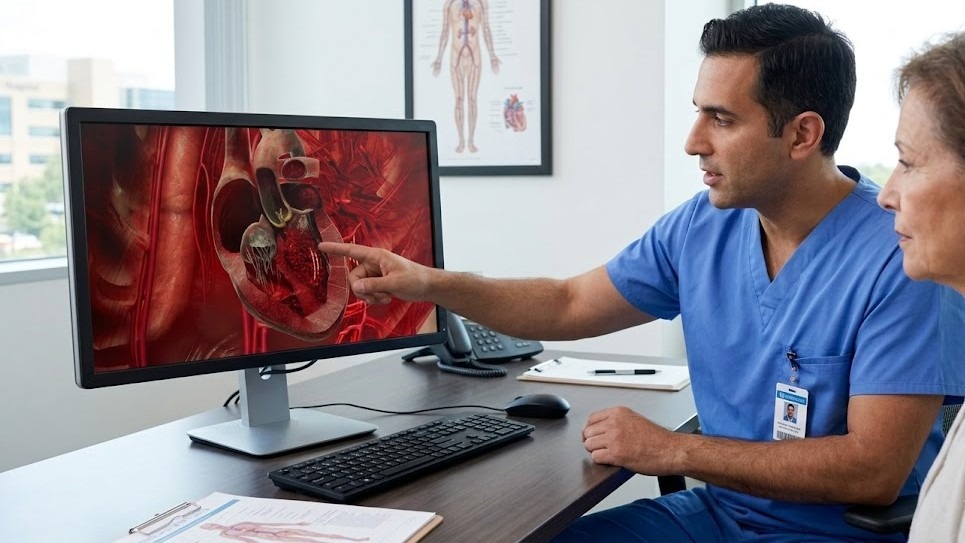
Another prominent example is the nervous system, which is perhaps the most abstract of the physiological systems. Properly understanding the human body requires grasping how electrical signals travel through neurons. Professional anatomy and physiology 3D animation allows us to “zoom in” to the microscopic level, witnessing a neurotransmitter crossing a synapse. For individuals managing stress or chronic pain, seeing these pathways helps demystify their experiences, leading to better outcomes for their overall wellness and anatomy comprehension.
Preventative Health
One of the most significant benefits of 3D medical visualization is its role in preventative health. Most people find it difficult to change their habits based on warnings of theoretical future consequences. However, when a person sees a high-fidelity animation of how high blood pressure actually stresses the arterial walls, or how chronic inflammation affects joint tissue, it often leads to a breakthrough in understanding.
This visual evidence may act as a powerful catalyst for behavior change. It moves the conversation from abstract medical advice to a tangible understanding of cause and effect. By seeing the direct impact of lifestyle choices on their own human physiology, individuals are more likely to adopt healthier habits, becoming proactive guardians of their own health.
Patient Empowerment Through Visualization
In the past, the doctor-patient relationship was often paternalistic, with the physician holding all the specialized knowledge. Today, the focus has shifted toward patient empowerment. A properly informed patient is a safer, more compliant, and more resilient patient.
When a patient is diagnosed with a condition, the initial reaction is often fear, which usually stems from the unknown. By using 3D animation to explain a diagnosis, such as how a specific medication binds to a receptor or how a surgical procedure will be performed, physicians can significantly reduce patient anxiety and ensure:
- Clarity. The patient understands exactly what is happening inside them.
- Confidence. The patient feels prepared for the treatment plan.
- Compliance. The patient understands why certain protocols must be followed and accepts them.
The Science of Visual Learning
Why is 3D animation so much more effective than other materials? It comes down to dual coding theory. This psychological theory suggests that the brain processes verbal and visual information through two separate channels. When a health provider pairs a verbal explanation with a 3D animation, the information is “coded” twice in the brain. This creates stronger neural pathways and significantly improves long-term retention.
Furthermore, 3D animation allows for “layering.” A student or patient can start with a view of the skin, then see the muscles, then the skeletal structure, and finally the internal organs. This spatial hierarchy is crucial for perceiving the body as a cohesive unit rather than a collection of separate parts.
Bridging the Global Health Gap
Another vital aspect of 3D animation is its ability to bypass language barriers. High-quality visual storytelling is a universal language. In many parts of the world where local dialects vary widely, a clear 3D animation can explain the importance of vaccination, nutrition, or hygiene more effectively than any translated text.
By transitioning medical knowledge through visuals, we can improve global health outcomes. When people everywhere have access to clear, accurate information about their internal systems, the entire global community becomes more resilient against disease and more focused on wellness.
Conclusion
The goal of 3D animation in medicine is not just to create beautiful visuals but to ensure understanding and patient trust. By making the invisible processes of the human body visible, we are giving people the keys to their own health.
Visualizing our complex biology is the first step toward respecting and protecting it. As 3D technology continues to evolve, becoming more interactive, more accessible, and more integrated into clinical pipelines, we can look forward to a world where high health literacy is an accessible right for everyone.
Other Articles You May Find of Interest...
- Your COA Says “Pass.” Here’s How to Check the Lab Agrees.
- How to Make a Nutrition Facts Label for Your Food Product: A Step-by-Step Guide
- How to Count Respirations in 15 Seconds
- Are There Lymph Nodes in the Lower Leg?
- Why Blood Plasma Is Yellow
- How to Measure Respiration Rate Accurately
- Where Are the Pores of Sweat Glands Located?





