Your Health Magazine Contributor
4201 Northview Drive
Suite 102
Bowie, MD 20716
More Hair Care Articles
Hair Loss: A Practical Guide to Causes, Clues, and Treatment Choices
Key Takeaways
- Hair loss can be related to genetics, stress, medical conditions, hormones, medications, nutrition, scalp disease, or hair-care habits.
- The pattern, timing, and condition of the scalp can offer useful clues about the underlying cause.
- Effective treatment begins with identifying the type of hair loss rather than choosing a product at random.
- Some shedding is temporary, while progressive or scarring conditions may require earlier intervention.
- Options can include lifestyle changes, topical treatments, prescription medication, in-office procedures, or hair transplantation.
Why Hair Loss Needs a Personal Plan
Hair loss is not a single condition with a universal solution. A person who notices extra hair in the shower after illness or rapid weight loss may be dealing with a different issue than someone whose part has slowly widened over several years. The goal is to examine the clues, identify likely causes, and develop a plan that addresses both medical needs and personal goals.
For people exploring aesthetic options after an evaluation, PRF hair restoration may be discussed as part of a broader approach to supporting hair health. It should not replace a proper assessment, especially when shedding is sudden, patchy, painful, or accompanied by other health changes.
Hair can thin gradually, shed suddenly, or break because of damage along the hair shaft. The different causes of hair loss can affect whether regrowth is likely, whether treatment is needed, and how quickly someone should seek professional care.
How to Read the Pattern of Hair Loss
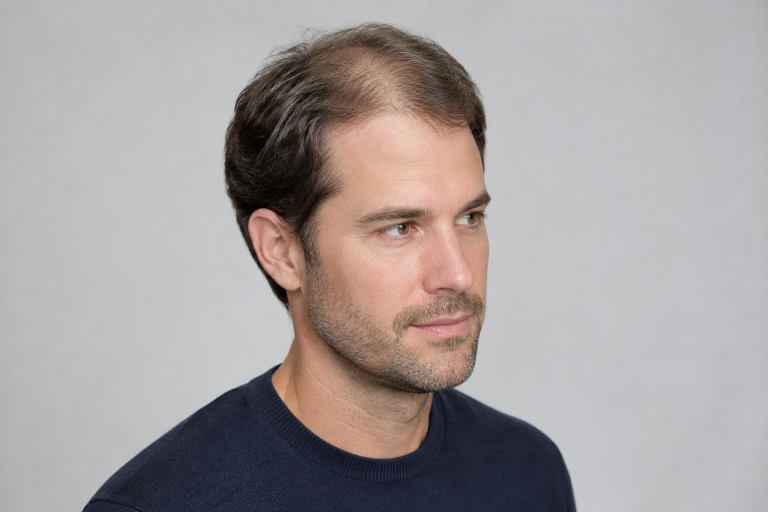
The location and appearance of hair changes can help narrow the possibilities. Diffuse shedding makes the scalp look less dense overall. A widening central part may develop gradually in pattern hair loss. A receding hairline or thinning crown is also common in inherited forms of hair loss.
Round, smooth patches can be associated with alopecia areata, an immune-related condition. Broken hairs may point to traction, repeated heat styling, chemical processing, or other hair-shaft damage. Redness, thick scale, tenderness, burning, or sores warrant prompt attention because scalp inflammation or infection can contribute to hair loss and, in some cases, permanent damage to the follicles.
Common Reasons Hair Begins to Thin
Genetic Hair Loss
Androgenetic alopecia, often called pattern hair loss, is a common cause of gradual thinning in both men and women. Inherited sensitivity can cause follicles to produce progressively finer hairs over time. Men may first notice a receding hairline or crown thinning, while women often notice reduced density through the top of the scalp or a broader part. Earlier evaluation can provide more opportunities to slow progression.
Stress and Major Health Events
Illness, high fever, surgery, childbirth, major emotional stress, and significant weight changes can shift more hairs into a resting phase. This type of shedding may become noticeable weeks or months after the triggering event, making the connection difficult to recognize. Once the trigger has resolved, temporary shedding often improves, although visible recovery still takes time.
Hormonal, Medical, and Nutritional Factors
Thyroid disorders, postpartum hormonal changes, menopause, and some hormone-related conditions can be associated with hair changes. A clinician may also ask about fatigue, menstrual changes, skin symptoms, weight shifts, recent dieting, and family history. Low iron stores, inadequate protein intake, and restrictive diets may contribute to shedding in some people. Supplements should be based on individual needs and not taken blindly, because excessive amounts of certain nutrients can also be harmful.
Medication and Scalp Factors
Some medications can contribute to hair shedding, and rapid weight loss can be followed by temporary hair loss. Review new medications, dose changes, and supplements with a qualified medical professional before stopping anything. Scalp conditions, including inflammatory disorders and fungal infections, also need targeted treatment rather than a generic hair-growth product.
When Hair Loss May Need Prompt Medical Attention
- Sudden, severe, or rapidly worsening shedding without a clear explanation.
- New round bald patches or loss of eyebrows, eyelashes, or body hair.
- Scalp pain, burning, swelling, sores, heavy scaling, or drainage.
- Shiny areas of scalp where follicle openings appear absent.
- Hair loss accompanied by fatigue, weakness, unexpected weight change, or other new symptoms.
What a Hair-Loss Evaluation May Include
An evaluation commonly begins with a detailed history of timing, recent illnesses, stressors, pregnancies, diet changes, medications, styling practices, and family history. A scalp examination may look for inflammation, scaling, breakage, changes in follicle openings, and the distribution of thinning. Depending on the situation, a provider may recommend laboratory testing, close examination of hairs, standardized photographs, or a scalp biopsy.
As treatment for hair loss depends on the cause, testing is not identical for every patient. A person with sudden diffuse shedding after a fever may need a different approach than someone with a long history of gradual pattern thinning or signs of a scarring scalp disorder.
Treatment Paths to Discuss
Observation and Trigger Removal
Watchful waiting can be appropriate when shedding follows a temporary event such as illness, childbirth, surgery, or a major stressor. Addressing nutritional gaps, avoiding crash diets, and allowing time for the hair cycle to reset may be part of the plan. Consistent monthly photographs are generally more useful than judging density day by day.
Topical and Prescription Treatments
Topical treatments may help selected people with certain forms of pattern hair loss. Prescription options may also be considered, depending on diagnosis, age, medical history, and pregnancy plans. These treatments can have side effects and often require ongoing use to maintain benefits, so a licensed provider should explain expectations before treatment begins.
In-Office Procedures
Some practices offer platelet-based treatments, microneedling, low-level light therapy, and hair transplantation. Candidacy and evidence vary by diagnosis. Ask what outcome is realistic, how many sessions may be recommended, what maintenance is involved, and whether the procedure is intended to support existing follicles or redistribute healthy follicles through transplantation.
Scalp and Hair-Care Changes
Reducing repeated pulling from tight styles, limiting excessive heat exposure, using gentler detangling methods, and avoiding harsh chemical processing can reduce preventable breakage and traction loss. Persistent dandruff, itching, or scalp irritation should be evaluated rather than covered up with more styling products.
Questions to Ask Before Choosing a Treatment
- What is the most likely cause of my hair loss?
- Is this likely to be temporary, progressive, or permanent?
- What results are realistic, and how long might they take?
- What are the risks, side effects, costs, and maintenance needs?
- What alternatives should I consider if this option does not help?
Set a Realistic Timeline
Hair growth follows a cycle, so meaningful changes usually require patience. Reduced shedding may appear before visible improvements in density, and maintenance may be necessary when the underlying cause remains active. Be cautious with online claims that promise guaranteed regrowth or dramatic results in only a few weeks. Before-and-after images do not replace a diagnosis, a thoughtful treatment plan, or consistent follow-up.
Choose the Cause Before the Cure
Hair loss is a symptom, not a single diagnosis. Looking carefully at the pattern, timing, scalp health, medical history, and treatment goals creates a stronger starting point than chasing a trend or copying someone else’s routine. A realistic plan, guided by the reason the hair is changing, offers the best path toward protecting existing hair and pursuing appropriate treatment.
Other Articles You May Find of Interest...
- DHI Hair Transplant: Procedure, Recovery, and Risks
- Hair Loss: A Practical Guide to Causes, Clues, and Treatment Choices
- Natural Shampoos for Hair Shedding: What to Look For
- Fine or Thinning Hair and Extensions: What to Ask Before You Commit
- Why Is Hair Loss Becoming More Common, and What Can We Do About It?
- Dry & Damaged Hair? Try These Hair Masks for Deep Nourishment
- How to Choose an Electric Scalp Massager for Home Use