






More Hair Care Articles
Can Seborrheic Dermatitis Lead to Hair Loss?
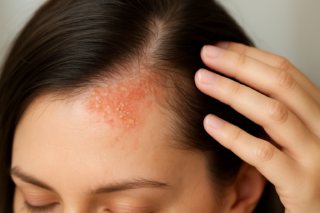
Imagine you’re diligently brushing your hair when you notice an alarming amount of hair strands on your brush. Could your itchy, flaky scalp condition, known as seborrheic dermatitis, be to blame? Many people wonder, “Does seborrheic dermatitis cause hair loss?” Understanding the connection between this common scalp condition and hair loss is essential for preventing unnecessary panic and managing both symptoms effectively.
Does Seborrheic Dermatitis Cause Hair Loss?
Seborrheic dermatitis is a chronic inflammatory skin condition characterized by red, scaly patches and dandruff. Typically, these patches occur in oily areas, such as the scalp. While the condition itself doesn’t directly cause hair loss, the inflammation associated with it can lead to temporary hair shedding.
People with seborrheic dermatitis might experience hair loss due to scratching and irritation of the scalp. This constant itching and rubbing can weaken hair strands and lead to what’s known as “traumatic alopecia.” It’s important to manage both the itching and flaking to help preserve your hair.
Managing Day-to-Day Living
Living with seborrheic dermatitis can be challenging, particularly when it affects your self-esteem and daily routine. The irritation and flaking associated with this condition often require specialized shampoos and treatments to control symptoms. Some over-the-counter anti-dandruff shampoos can help, but severe cases might necessitate prescription treatments.
Maintaining a consistent hair care routine tailored to your condition can mitigate discomfort and potential hair shedding. Being mindful of scalp health and avoiding aggressive styling practices can also contribute to minimizing hair loss.
The Role of Clinical Interventions
If over-the-counter treatments are insufficient, dermatologists can assess your condition and recommend prescription options. These may include medicated shampoos, topical steroids, or antifungal treatments to manage inflammation and flaking. Remember, individual results vary, and what works for one person might not be effective for another.
When to Seek Care
Consult a healthcare provider if your symptoms persist or worsen, as prolonged inflammation can exacerbate hair thinning. Dermatologists are specialists in skin and scalp disorders and can provide targeted treatments. If you notice significant hair thinning or unusual scalp conditions, an evaluation is warranted. For more information on managing such conditions, you can learn about how lifestyle choices impact your overall health.
The Impact on Everyday Life
Seborrheic dermatitis doesn’t just affect your scalp; it can also intrude upon everyday activities. Itchiness or embarrassment over visible flakes might affect social interactions or work environments. Therefore, managing stress levels and incorporating a balanced diet, which may positively influence skin health, could be beneficial.
Prevention and Support
While you can’t entirely prevent seborrheic dermatitis, routine scalp care can help reduce flare-ups. Using antifungal or anti-inflammatory shampoos as preventive measures can contribute to scalp health. An informed discussion with a healthcare provider about suitable scalp care regimens is advisable for personalized recommendations.
Common Questions
When should I see a healthcare provider for seborrheic dermatitis?
Consult a healthcare provider if symptoms persist, worsen, or interfere with your daily activities. Significant hair loss or scalp discomfort should prompt an evaluation.
Which type of provider treats seborrheic dermatitis?
Dermatologists specialize in skin and scalp disorders, providing targeted treatments for conditions like seborrheic dermatitis.
What steps can I take to minimize hair loss associated with seborrheic dermatitis?
Be gentle with your scalp, avoid scratching, and use appropriate medicated shampoos to reduce inflammation and flaking.
Can lifestyle changes make a difference in managing seborrheic dermatitis?
Yes, managing stress and following a balanced diet may help improve skin health and reduce flare-ups of seborrheic dermatitis.
Does seborrheic dermatitis affect only the scalp?
No, while the scalp is most commonly affected, seborrheic dermatitis can also occur on other oily areas of the body, like the face.
- Seborrheic dermatitis can lead to temporary hair loss due to inflammation and scratching.
- Maintaining a tailored hair care routine can minimize hair shedding.
- For persistent symptoms, seek evaluation from a healthcare provider.
- Medical treatments and lifestyle changes can manage symptoms effectively.
- Learn more about managing health conditions at MedlinePlus.
In conclusion, addressing the question “does seborrheic dermatitis cause hair loss” involves understanding the indirect impact of frequent itching and inflammation on hair health. With the right care and attention, you can manage symptoms and minimize hair shedding effectively.
Other Articles You May Find of Interest...
- How Many Inches Does Hair Grow in a Year?
- Hair Transplants Explained: What to Know Before Considering Surgery
- What Scalp Micropigmentation Can and Cannot Do for Visible Scalp and Hair Loss
- How Long Does Rosemary Oil Take to Grow Hair?
- How Alopecia Areata, Totalis, and Universalis Differ in Progression and Unpredictability
- Is a Hair Transplant Worth the Cost? What to Consider First
- Why Leg Hair Can Grow Curly, Kinked, or Suddenly Different





