More Hair Care Articles
Hair Transplant Recovery Timeline in Turkey: Month-by-Month Expectations and Follow-Up Considerations
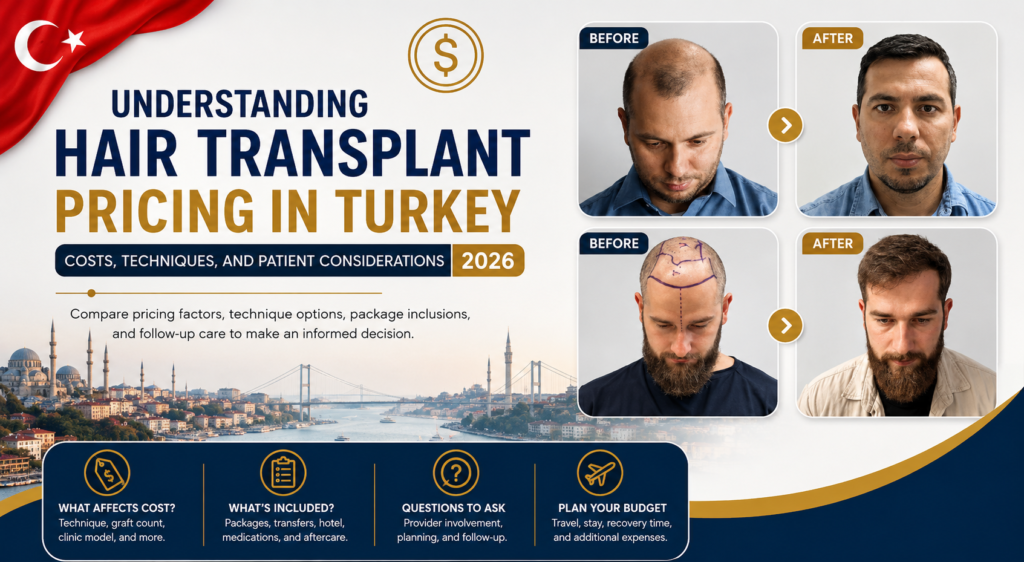
Many international patients focus heavily on the procedure itself when researching hair restoration abroad. The recovery period deserves just as much attention. Hair transplant results develop gradually, and patients who understand the healing timeline are often better prepared for the normal changes that can occur during the first year after surgery.
Patients researching hair transplant clinics in Turkey may see many claims about techniques, results, and packages. Rather than relying on ranking language, patients should ask how each clinic explains recovery, follow-up, washing instructions, shedding, regrowth, and long-term expectations before booking a procedure.
Why the Recovery Timeline Matters
A hair transplant is not an instant cosmetic result. The procedure moves follicles into a new area, but the visible outcome develops over time as the scalp heals and the transplanted follicles move through normal growth cycles. Early redness, scabbing, shedding, uneven growth, and slow thickening can all be part of the process.
Because many patients travel home shortly after treatment in Turkey, clear aftercare instructions and accessible follow-up communication are important. Patients should understand what is expected in the first week, when to send progress photos, what symptoms require medical attention, and when it is reasonable to evaluate visible growth.
Before Surgery: Setting Expectations
The recovery process begins before surgery with the consultation. A useful consultation should explain the proposed technique, estimated graft range, donor-area limits, hairline goals, aftercare steps, and timeline for visible change. Patients should ask whether they will receive written instructions before leaving the clinic and how follow-up will be handled once they return home.
Clinics may describe different planning systems, medical protocols, or post-operative support models. For example, Este Favor describes pre-operative planning and follow-up support as part of its treatment approach. Patients should ask what those services include in practical terms, who provides follow-up responses, and how long post-operative communication remains available.
Procedure Day and the First 48 Hours
Immediately after surgery, patients may experience redness, swelling, tenderness, and visible small scabs around the implanted grafts. Clinics usually provide instructions about sleeping position, washing, medication use, avoiding pressure on the recipient area, and when to return for the first post-operative review or wash.
Patients should follow the clinic’s instructions closely and avoid improvising aftercare routines. If there is bleeding, significant pain, fever, increasing swelling, discharge, or any symptom that feels unusual, patients should contact the clinic or seek medical care promptly.
Week 1: Protecting the Grafts
The first week is focused on protecting the transplanted area while the scalp begins to heal. Patients are commonly instructed to avoid scratching, rubbing, direct pressure, strenuous activity, and unnecessary sun exposure. Washing instructions should be followed exactly as provided by the clinic.
Before leaving Turkey, patients should confirm when they may resume work, exercise, hats, styling products, and normal showering. These recommendations can vary depending on the technique used, the size of the procedure, the patient’s healing response, and the clinic’s protocol.
Weeks 2 to 4: Scabs, Redness, and Early Healing
During the next several weeks, many patients notice scabs loosening, redness gradually improving, and the scalp becoming more comfortable. Some patients may still have visible sensitivity or dryness. This stage can look different from person to person, so patients should avoid comparing their early healing too closely with online photos.
Patients should ask the clinic when to send follow-up images and what types of changes are expected at this stage. Good communication can reduce anxiety and help the clinic identify whether healing appears to be progressing as expected.
Months 2 and 3: Shedding and Waiting
Many patients experience shedding of transplanted hairs during the early months after surgery. This can be stressful if it was not explained clearly beforehand. Shedding does not automatically mean the procedure failed, but patients should discuss concerns with their clinic rather than guessing based on online examples.
This is one reason follow-up support matters. Sapphire Hair Clinic and other providers may describe remote follow-up or international patient coordination as part of their services. Patients should confirm what kind of follow-up is included, whether it is handled by medical staff or coordinators, and how quickly questions are typically answered.
Months 4 to 6: Early Visible Growth
Some patients begin to see early visible regrowth during this period. New hairs may appear fine, uneven, or patchy at first. This stage should usually be viewed as early progress rather than a final result. Hair texture and density can continue changing as the follicles mature.
Patients with curly, coiled, or textured hair may notice that early growth does not immediately match the appearance of surrounding hair. Questions about texture, styling, washing products, or scalp sensitivity should be directed to the clinic or a qualified healthcare professional familiar with the patient’s case.
Months 7 to 12: Density and Appearance Continue to Develop
Between months seven and twelve, many patients see gradual improvement in coverage, thickness, and styling flexibility. Growth patterns may still vary across different parts of the scalp. The hairline, crown, and mid-scalp may not mature at the same pace.
Patients should be cautious with clinics or advertisements that promise exact results by a specific month. Recovery and growth depend on individual biology, donor-area quality, surgical planning, aftercare, medical history, and other personal factors. A responsible clinic should explain that outcomes vary.
After 12 Months: Reviewing the Outcome
Many patients wait at least a year before making a fuller assessment of the result. Some areas, especially the crown, may continue to mature beyond that point. Patients who are concerned about density, hairline shape, texture, or uneven growth should review progress with the clinic and avoid rushing into additional procedures without a proper medical evaluation.
If a patient is considering a second session, the decision should be based on donor-area capacity, healing, hair-loss progression, and realistic goals. Additional grafts may not be appropriate for every patient.
What to Ask About Follow-Up Before Booking
Before booking a hair transplant in Turkey, patients may want to ask:
- How long will post-operative follow-up remain available?
- Who reviews progress photos after the patient returns home?
- How often should photos be sent?
- What symptoms require urgent medical attention?
- What products should be used or avoided during healing?
- When can the patient resume exercise, travel, swimming, hats, and styling products?
- How are concerns about shedding, redness, or uneven growth handled?
- What happens if the patient needs local medical care after returning home?
Red Flags in Recovery and Results Claims
Patients should be cautious if a clinic guarantees a final density, promises a fixed timeline for results, minimizes the recovery process, or provides only vague aftercare instructions. They should also be careful with before-and-after photos that do not identify the time elapsed after surgery, the patient’s hair type, or whether multiple procedures were involved.
A more useful approach is to look for clear explanations of the healing stages, realistic outcome discussion, direct communication procedures, and a written aftercare plan.
Final Thoughts
Hair transplant recovery is a gradual process, and the final appearance is not determined on procedure day alone. Patients considering surgery in Turkey should evaluate how clinics explain healing, shedding, regrowth, follow-up, and realistic expectations.
The safest approach is to treat recovery planning as part of the medical decision, not as an afterthought. Written instructions, clear follow-up procedures, and realistic communication can help international patients make more informed choices before and after treatment.
Quick FAQ
Is shedding after a hair transplant always a bad sign?
Not necessarily. Some shedding can occur during the early recovery period. Patients should ask their clinic what is expected and when shedding should be evaluated by a medical professional.
When should patients judge the final result?
Many patients wait at least 12 months before making a fuller assessment, although timing can vary. Some areas may continue to mature after that point.
Why is remote follow-up important for international patients?
Patients often return home shortly after surgery, so remote follow-up can help them ask questions, share progress photos, and clarify aftercare instructions during recovery.
Can a clinic guarantee a specific hair transplant result?
Patients should be cautious with guarantees. Results vary based on surgical planning, healing, donor-area quality, medical history, aftercare, and individual biology.
Other Articles You May Find of Interest...
- How Many Inches Does Hair Grow in a Year?
- Hair Transplants Explained: What to Know Before Considering Surgery
- What Scalp Micropigmentation Can and Cannot Do for Visible Scalp and Hair Loss
- How Long Does Rosemary Oil Take to Grow Hair?
- How Alopecia Areata, Totalis, and Universalis Differ in Progression and Unpredictability
- Is a Hair Transplant Worth the Cost? What to Consider First
- Why Leg Hair Can Grow Curly, Kinked, or Suddenly Different