




Your Health Magazine Contributor
4201 Northview Drive
Suite 102
Bowie, MD 20716
More Gastroenterology Articles
Things to Know Before Going for an ERCP Procedure
Source: Magnific.com
Hearing that you need a specialized medical test can feel intimidating, especially when it comes with a long medical acronym like ERCP.
Yet knowing exactly what happens before, during, and after your visit can turn nervous guesswork into calm confidence.
Endoscopic Retrograde Cholangiopancreatography is a remarkably effective procedure that allows doctors to diagnose and treat bile and pancreatic duct issues without open surgery.
If your doctor recently scheduled you for this exam, a little preparation goes a long way. Here are five essential things to know before your appointment.
- Understand Why Your Doctor Recommended It
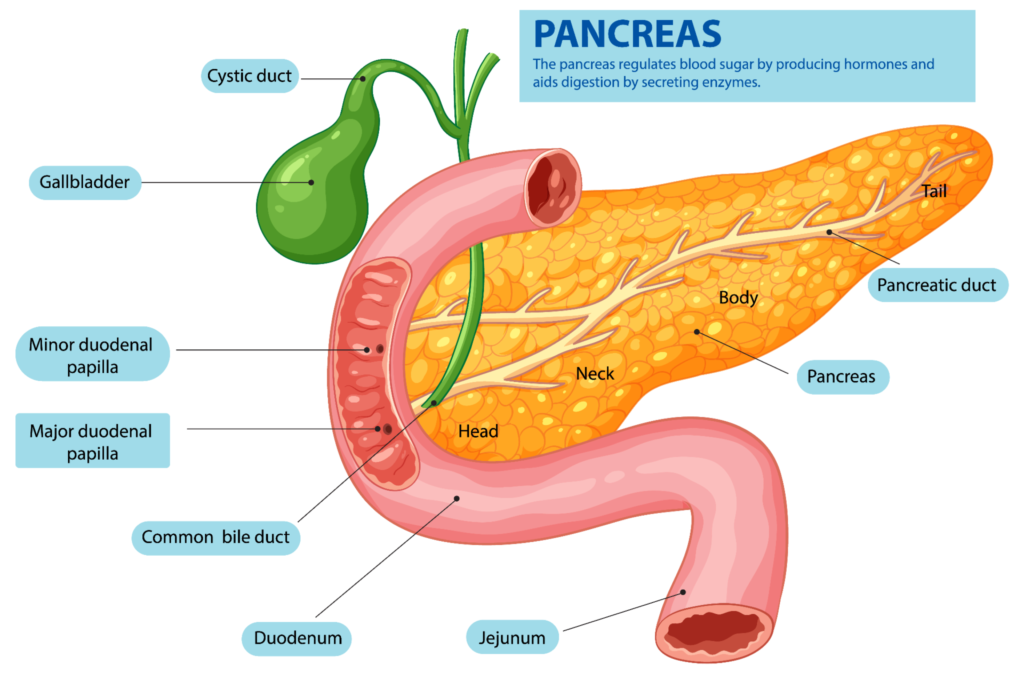
ERCP combines a flexible lighted camera (an endoscope) with targeted X-ray imaging. With that, gastroenterology specialists examine the tiny drainage tubes connecting your liver, gallbladder, and pancreas.
These professionals commonly perform it to:
- remove painful gallstones stuck in the bile duct,
- open narrowed passages with small stents, or
- investigate unexplained jaundice and abdominal pain.
Because it diagnoses and treats problems in a single session, it often spares patients the need for invasive surgery.
- Follow Your Fasting and Preparation Instructions Strictly
If you’re Sydney-based, remember that an empty stomach is critical for both your safety and clear imaging during a Sydney ERCP procedure. Your care team will typically ask you to stop eating and drinking at least six to eight hours before your scheduled time.
You must also share a complete list of your current medications, especially blood thinners, aspirin, or diabetes drugs, as your specialist may advise pausing or adjusting them a few days beforehand.
- Expect Sedation and Arrange a Ride Home
You will not be awake or feel discomfort during the exam. The majority of patients receive intravenous conscious sedation or general anesthesia.
So they can sleep comfortably while the specialist guides the thin scope gently through the mouth and stomach into the upper small intestine.
Sedatives take several hours to wear off completely. That’s why you will not be allowed to drive yourself home. The wise approach is to arrange for a trusted friend or family member to escort you after discharge.
- Know What to Expect During Recovery
The procedure usually finishes within 30 to 60 minutes. Once done, you will rest in a recovery area until the sedation fades. It’s completely normal to experience a mild sore throat, temporary bloating, or slight gas for a day or two.
For the first 24 hours, it’s advisable to stick to light, easily digestible meals and plenty of fluids while your digestive tract settles back into its normal rhythm.
- Recognise the Warning Signs That Need Prompt Care
ERCP is generally safe in experienced hands. However, mild complications such as pancreatic inflammation (pancreatitis) or infection can occasionally occur.
Contact your doctor immediately if you develop severe abdominal pain, a fever, chills, persistent vomiting, or dark, tarry stools after returning home.
Wrapping It Up
Proper preparation is what ensures a smooth, stress-free medical experience. If you follow your fasting guidelines, arrange a safe ride home, and know what recovery looks like, it means you set yourself up for the positive outcome: digestive health.
Feel free to ask your healthcare expert any lingering questions the moment they come to your mind. Don’t panic, take a deep breath, and step into your appointment ready for relief.
Other Articles You May Find of Interest...
- Daily Habits for Better Gut Health and Digestion
- Things to Know Before Going for an ERCP Procedure
- Beyond the Band-Aid: Why Your Hemorrhoid Symptoms Keep Coming Back
- What Does It Mean When Your Poop Is Black?
- Black Vomit: What It Can Mean and When to Seek Urgent Care
- Stomach Pain After Eating: Possible Causes
- Stomach Pain and Vomiting: Causes and When to Seek Care





