Your Health Magazine Contributor
4201 Northview Drive
Suite 102
Bowie, MD 20716
More Dental Health Articles
Helping Kids Feel Better About Going to the Dentist
Mention a childhood dental appointment and plenty of adults can still remember the trauma they felt.
The sound of the drill, scary posters on the wall of decaying teeth, dental equipment that looked like it belonged on a horror set. The blinding light in your face as you lay back, gripping the armrests, praying it would all be over soon.
It’s not an experience any parent wants for their child and dentists today are trying to change the fear and perceptions surrounding visiting the dentist.
Dental offices have plenty of opportunities to make that first impression more welcoming. A child might arrive to find a colorful tooth character above reception, a giant mural puzzle on the wall that instantly distracts, they get to choose a movie to watch during treatment or they meet a dentist who takes time to explain the unfamiliar equipment and strange noises and reassures what the appointment will entail.
None of this removes the need for dental work. It does, however, give practices a way to think about the appointment from a child’s perspective, starting well before they sit in the chair.
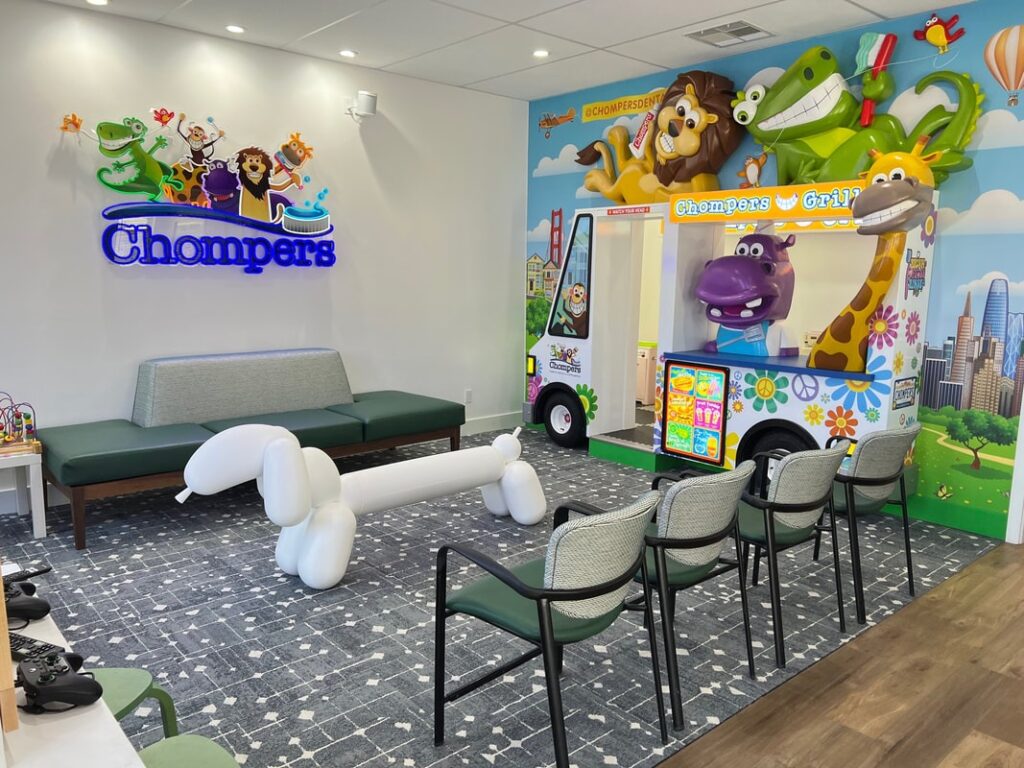
A waiting room children can settle into
Adults generally know what to do when they walk into a dental office. Check in, take a seat and wait to be called. For a young child, especially on a first visit, the whole setting can feel unfamiliar and daunting.
Reception is a good place to begin. Signs that are bright, welcoming and easy to follow help parents find their way. Books, a bright activity area, fish tanks and other interesting things to look at, keep children occupied during the wait.
The welcome area doesn’t need to look overly sterile. Comfy chairs, a friendly tooth illustration or a cheerful welcome message, pictures of smiling faces can make the space feel less worrisome. Oral health information still belongs in a dental office, but fearmongering images can be shown to patients when necessary, rather than dominating every wall.
Custom illuminated signage for dental practices is becoming increasingly popular and offers a great way to introduce that playful touch. An LED neon tooth behind reception, illuminated quotes such as “Love your smile” “’Experience comfortable dentistry” “Made you smile” provide a warm, soothing message.
Let them choose the movie
It sounds so simple but it can make a huge difference. A familiar cartoon or movie is a welcome distraction when a child is lying back in a treatment chair. Their focus shifts from the injections and drills to characters and fun. Music or headphones can also help.
The American Academy of Pediatric Dentistry includes distraction among the best techniques available to help children through dental care. But it’s not a one size fits all approach. The strategy should be chosen to suit the individual patient.
For parents, especially those with an anxious child, it is worth asking what is available when booking. Can their child choose something to watch? Is it possible to bring and ipad, headphones etc? Or perhaps spend a little time getting used to the room and chair before the appointment starts.
Some children would prefer to see and understand what will happen, that preference matters too.
Explain the unfamiliar
A child may have no idea what an instrument does or what a particular sensation will feel like. Taking time to explain can make the appointment easier.
It’s also important to let the patient know that they can ask for a break when needed. The American Dental Association suggests a signal, such as raising a hand, so patients can let the dentist know they need a pause. This should be discussed beforehand.
Parents can start these conversations before the visit. If a child has had a difficult experience previously, dislikes certain sounds or becomes distressed by unexpected sensations or touch, telling the team in advance gives them useful information to work with.
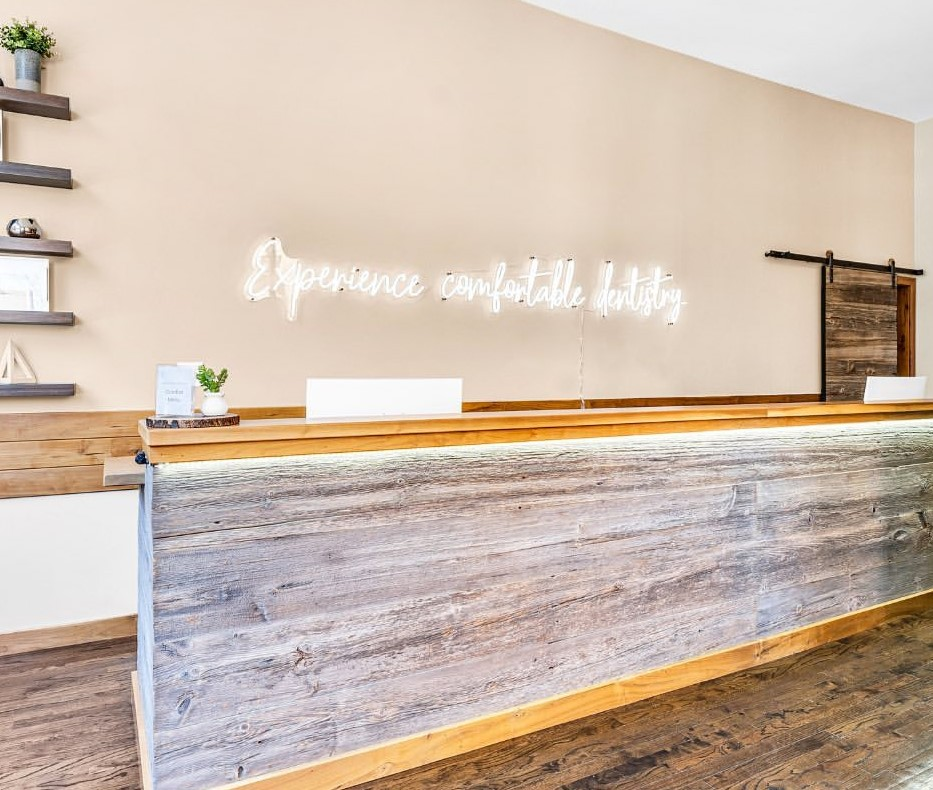
Image:https://customneon.co.uk/dental-signs/
Leave room for quiet
Playful design does not have to mean a room full of noise and activity.
One child may love a bright mural and a games corner. Another may find the same room overwhelming. Practices should consider quieter spaces and fewer distractions alongside their more colorful features.
The AAPD recognizes sensory-adapted dental environments as an option for anxious patients and those with special health care needs. Families can ask what adjustments an office offers, rather than having to judge suitability from its photographs.
The clinical conversation remains essential, including any need for pain relief or additional support. Attractive surroundings cannot replace that care.
Still, there is something worthwhile about making a necessary appointment feel a little more familiar. A child who remembers the movie they picked, the friendly person at reception or being listened to when they needed a break has something reassuring to bring to the next visit.
Sources
American Academy of Pediatric Dentistry: Behavior Guidance for the Pediatric Dental Patient
American Dental Association: Dental Anxiety
Other Articles You May Find of Interest...
- How to Prevent Gum Disease: 7 Simple Ways to Keep Your Gums Healthy
- NHS vs Private Emergency Dentist
- Helping Kids Feel Better About Going to the Dentist
- Are Porcelain Veneers Suitable for Teenagers? What Parents Should Know
- Missing Teeth and Your Overall Health: What Adults in Woodbridge VA Should Know About Dental Implants
- 8 Dentists in Lincoln, CA for Early Childhood Oral Health in 2026
- Boutique Whitening vs Opalescence: 7 Differences Between the Two Ranges for UK Dentists in 2026