Your Health Magazine Contributor
4201 Northview Drive
Suite 102
Bowie, MD 20716
More Consumer Health Guides Articles
Cannabis Vaping: What Consumers Should Know About Potency, Product Testing, and Safety
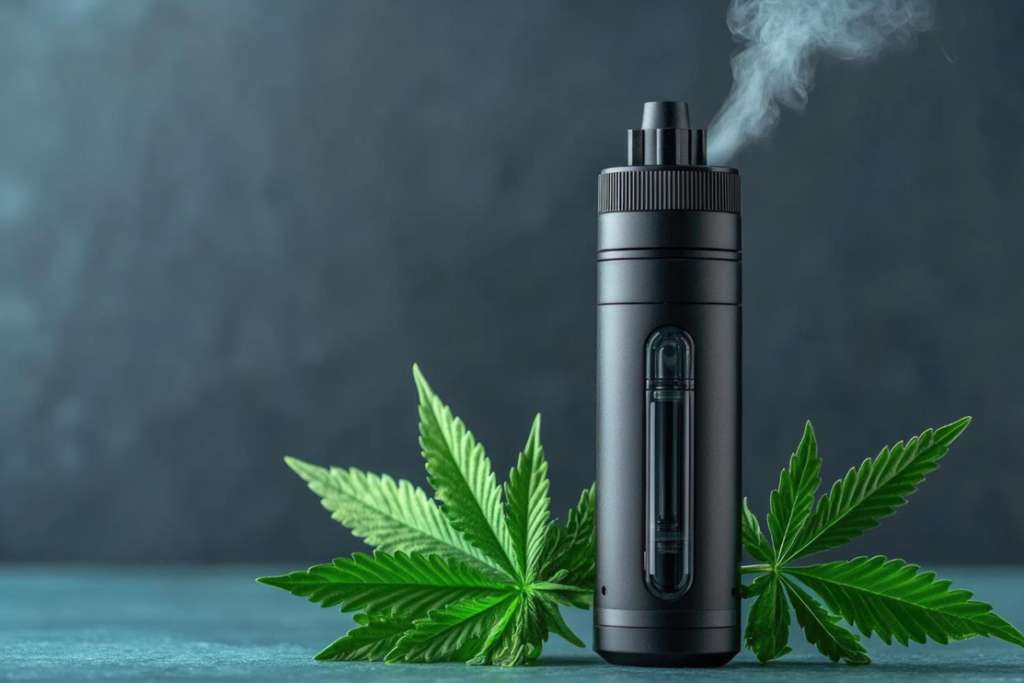
Image by Nebas on Magnific
Cannabis vaping products have become increasingly common in legal cannabis markets. As product availability has expanded, public health experts, regulators, and consumers have placed greater emphasis on understanding potency, product testing, ingredient transparency, and safety considerations. For individuals who choose to use cannabis products, understanding these factors can help support more informed decisions.
Choosing a vape cart involves much more than selecting a flavor or purchasing the cheapest option available. Product quality, cannabinoid content, manufacturing standards, and pricing all play important roles in determining the overall experience. Understanding these factors can help consumers make more informed decisions while reducing the likelihood of purchasing products that fail to meet expectations.
Understanding What a Cannabis Vape Cart Contains
A cannabis vape cartridge is a small container filled with cannabis oil that connects to a compatible battery. When heated, the oil becomes vapor that can be inhaled.
The contents of a cartridge can vary significantly depending on the manufacturer and extraction method used. Some cartridges contain highly refined cannabis distillate, while others preserve a broader range of cannabinoids and terpenes that contribute to aroma and flavor.
Many consumers focus primarily on THC percentages, but cannabinoid content alone does not determine product quality. Terpene profiles, extraction methods, and ingredient transparency often play equally important roles in the overall experience.
For beginners, reviewing laboratory testing information is often one of the most useful ways to evaluate a product. Independent testing can provide information about cannabinoid concentrations, residual solvents, heavy metals, and potential contaminants.
Why Potency Is Not Always the Most Important Factor
One of the most common misconceptions among new consumers is that higher potency automatically means a better product. While THC concentration affects the strength of a cartridge, it is only one piece of the overall picture.
Some products with moderate THC levels may deliver a more balanced experience because of their terpene content and broader cannabinoid profile. Others may contain extremely high THC concentrations but provide a less satisfying experience due to limited flavor complexity or poor formulation.
Beginners often benefit from starting with lower-potency options before experimenting with stronger products. This approach allows users to better understand their tolerance and individual response.
Product descriptions that explain cannabinoid ratios, terpene content, and intended effects often provide more useful information than THC percentages alone.
What Indicates a Quality Vape Cartridge?
Several characteristics can help distinguish higher-quality vape carts from lower-quality alternatives.
Transparency is often the first indicator. Reputable manufacturers typically provide detailed information about ingredients, extraction methods, and laboratory testing. Packaging should clearly identify cannabinoid content and include batch-specific testing results whenever possible.
The appearance of the oil can also provide clues. While color varies depending on extraction techniques and ingredients, unusually dark or inconsistent oil may warrant additional investigation.
Hardware quality is another important consideration. A premium oil can still produce a disappointing experience if paired with a poorly designed cartridge. Reliable hardware helps ensure consistent heating, smooth airflow, and reduced risk of leakage or clogging.
Consumers should also pay attention to storage recommendations and product freshness. Even well-made cartridges can degrade over time if exposed to excessive heat, light, or air.
Understanding Product Labeling and Consumer Information
Product labels often include information about cannabinoid concentrations, terpene content, testing results, and cartridge size. Understanding these details can help consumers compare products and better understand what they are purchasing. When comparing vape products, checking available product information and testing details can help buyers make more informed decisions, including when researching options such as THC Vape kaufen Deutschland.
For consumers wondering how much does a cart cost, pricing can vary considerably depending on cartridge size, cannabinoid formulation, location, and manufacturer. Understanding these variables helps buyers compare products more effectively rather than focusing solely on the lowest available price. The overall value of a cartridge often depends on both quality and performance rather than price alone.
Safety Considerations Every Consumer Should Know
As interest in cannabis vaping has expanded, health experts and regulators have emphasized the importance of product safety and informed consumption.
The quality of ingredients, manufacturing standards, and product testing all contribute to consumer safety. Products obtained through regulated channels are generally more likely to undergo testing and quality assurance procedures than products from unverified sources.
Consumers should be cautious about cartridges that provide little information regarding ingredients or testing. Transparency remains one of the strongest indicators of responsible manufacturing practices. Consumers should look for products that provide third-party laboratory testing for cannabinoid content, residual solvents, pesticides, heavy metals, and microbial contaminants. Testing standards vary by jurisdiction, making product transparency particularly important.
The importance of understanding product content becomes even greater when products contain high concentrations of THC or other cannabinoids. Research and public health organizations continue to study the effects of cannabis use and vaping-related health risks.
Public Health Perspectives on Cannabis Vaping
Information from the Centers for Disease Control and Prevention (CDC) highlights that cannabis products containing THC can affect attention, memory, coordination, and decision-making. The CDC also notes that health risks can exist regardless of how THC products are consumed and encourages individuals to understand potential effects before use.
For healthcare-focused audiences, these considerations are especially relevant. Discussions about cannabis products increasingly focus not only on potency and consumer preferences but also on responsible use, education, and product transparency.
Consumers benefit most when purchasing decisions are guided by reliable information rather than marketing claims alone.
The CDC also notes that high-potency THC products may increase the likelihood of adverse effects in some individuals, particularly those who are inexperienced with cannabis or who consume more than intended.
Making Informed Decisions About Cannabis Vaping
For consumers who choose to use cannabis vaping products, understanding potency, product testing, ingredient transparency, and safety considerations is often more important than focusing solely on THC percentage or marketing claims. Instead, the goal should be identifying products that combine transparent manufacturing practices, appropriate potency levels, reliable testing, and reasonable value.
A slightly more expensive cartridge may ultimately provide a better experience if it offers superior ingredient quality, consistent performance, and verified laboratory testing. Conversely, unusually inexpensive products may raise questions about manufacturing standards or ingredient sourcing.
Understanding how potency, hardware quality, extraction methods, and pricing interact allows consumers to make more informed decisions. As the cannabis industry continues to evolve, education remains one of the most valuable tools available to both new and experienced consumers.
For those entering the market for the first time, focusing on quality, transparency, and safety can provide a stronger foundation than chasing the highest THC percentage or the lowest advertised price. With careful research and realistic expectations, consumers can better navigate the growing range of cannabis vape products available today.
Other Articles You May Find of Interest...
- How to Verify Whether an Online Health Product Is Being Supplied Lawfully
- Your Refrigerator Is a Food-Safety Device. Here’s How to Tell When It’s Quietly Failing
- CBD Oil or Topical? What to Look For Before You Buy
- Michigan Cannabis Brands To Know Before You Shop In Pontiac
- 7 Mistakes to Avoid After Discovering a Recalled Product
- What California’s Vape Rules Mean for Online Orders: A Plain-English Explainer
- What Peptide Therapy Costs in 2026, and How to Read the Prices