






Your Health Magazine
4201 Northview Drive
Suite #102
Bowie, MD 20716
301-805-6805
More Chiropractic Care Articles
How Preventive Chiropractic Care Supports Long-Term Mobility

Mobility is one of the most underrated markers of long-term health. Many people only think about movement when pain appears, but true wellness is about maintaining function before discomfort begins. Preventive chiropractic care focuses on preserving spinal health, joint mobility, and nervous system balance so the body can continue moving efficiently over time.
Instead of reacting to injury, preventative care supports resilience. It is designed to keep the musculoskeletal system aligned, responsive, and adaptable. When movement is maintained early, long-term degeneration, stiffness, and chronic limitations can often be reduced.
Understanding Mobility as a Health Asset
Mobility is more than flexibility. It is the ability of joints, muscles, and connective tissues to move freely and safely through their full range of motion. Good mobility allows people to sit, stand, bend, lift, and exercise without strain.
As modern lifestyles become more sedentary, mobility often declines quietly. Hours spent at desks, on devices, or in cars create repetitive postures that stress the spine. Over time, restricted joints and tight muscles can alter movement patterns. These small imbalances, if ignored, may eventually lead to discomfort or injury.
Preventive chiropractic care addresses these subtle changes before they become larger structural problems.
The Role of the Spine in Long-Term Movement
The spine is central to movement and nervous system function. It protects the spinal cord while also allowing bending, twisting, and rotation. When spinal joints become restricted, the surrounding muscles often compensate. This can create uneven load distribution throughout the body.
Chiropractic adjustments are designed to restore proper joint motion. When spinal segments move correctly, muscles can function more efficiently. This improves coordination, posture, and overall biomechanical balance.
Over time, consistent maintenance care may help preserve joint integrity and reduce unnecessary wear.
Preventing Degenerative Patterns
Degeneration rarely happens overnight. It often develops gradually due to repetitive stress, poor posture, or unresolved minor injuries. Restricted movement in one joint can shift stress to neighboring joints, increasing strain.
Preventive chiropractic care aims to interrupt this cycle early. By restoring joint mobility and addressing muscular imbalances, the body can distribute forces more evenly. This balanced load reduces excessive pressure on specific areas.
Sharon Amos, Director at Air Ambulance 1, notes, “In emergency transport, we frequently see how untreated minor musculoskeletal issues can escalate into serious mobility limitations over time. Many of these cases could have been mitigated with earlier structural care and preventative attention.”
While aging cannot be stopped, proactive care can help maintain functional movement and slow avoidable decline.
Supporting Nervous System Efficiency
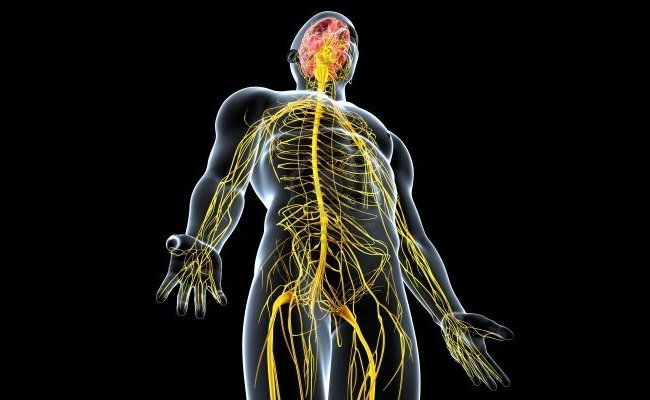
Mobility is closely connected to the nervous system. Every movement begins with a signal traveling from the brain through the spinal cord and into the muscles. If joint restriction or inflammation interferes with this communication, movement efficiency can decrease.
Chiropractic adjustments may help optimize the mechanical environment of the spine. When spinal joints move freely, nerve pathways are less likely to experience irritation from surrounding tension. Improved communication supports smoother, more coordinated motion.
Over time, better neuromuscular coordination contributes to safer and more stable movement patterns.
Posture and Modern Lifestyle Stress
Technology has changed how bodies function. Forward head posture, rounded shoulders, and prolonged sitting have become common. These positions place stress on the neck, upper back, and lower spine.
Preventive chiropractic care evaluates posture regularly. Small misalignments can be corrected before they evolve into chronic tension. In addition to adjustments, chiropractors often provide ergonomic guidance and mobility exercises.
When posture improves, strain on joints decreases. This allows muscles to work more efficiently and supports long-term movement quality.
Enhancing Joint Longevity
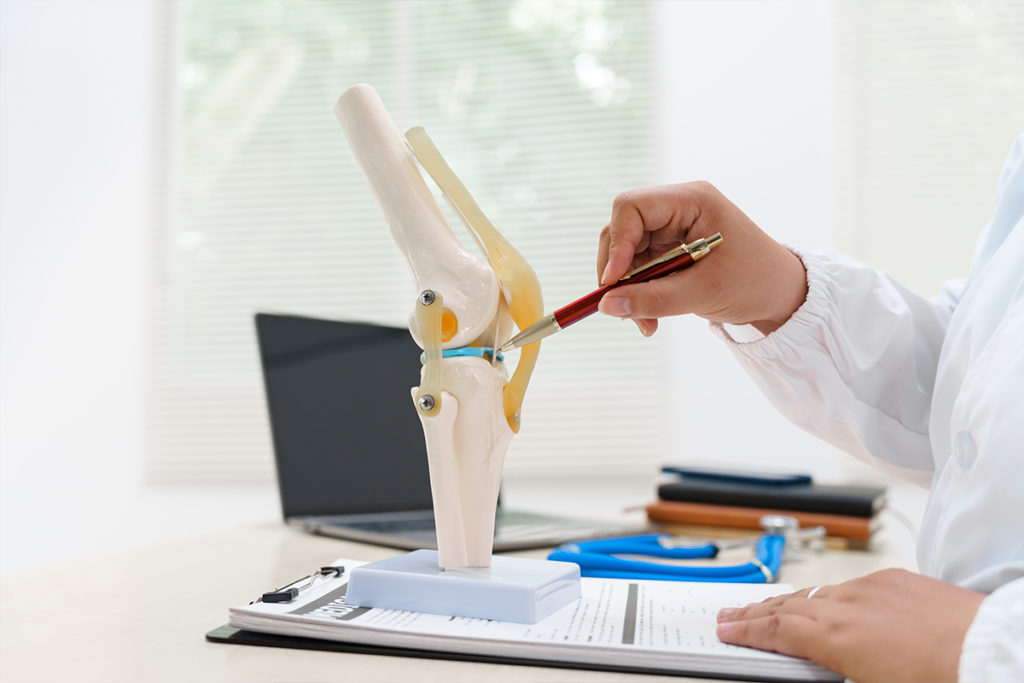
Healthy joints depend on movement. Joint motion helps circulate synovial fluid, which nourishes cartilage and reduces friction. When joints become restricted, this natural lubrication process is reduced.
Chiropractic adjustments restore motion to restricted joints. Regular movement maintains tissue health and helps preserve structural integrity. Over time, this may contribute to improved joint longevity.
Combined with strengthening and stretching routines, preventative care creates a foundation for sustained mobility.
Injury Prevention Through Balanced Mechanics
Many injuries occur not because of one dramatic event but due to repetitive strain on imbalanced structures. When one area of the body is not functioning optimally, others compensate.
Preventive chiropractic care evaluates the entire kinetic chain. If hip mobility is reduced, for example, the lower back may take on extra stress. Addressing the original restriction reduces compensation patterns.
Dr. Amanda Baes, Owner of Healing Hands Chiropractic, explains, “Most overuse injuries are not caused by weakness alone but by faulty movement patterns that go unnoticed for months or even years. When joints lose proper motion, surrounding tissues absorb stress they were not designed to handle.”
Balanced mechanics reduce unnecessary strain. This supports safer movement during exercise, sports, and daily tasks.
Mobility and Aging
Mobility becomes increasingly important with age. Maintaining independence depends on the ability to move confidently and safely. Reduced joint function can limit activity levels, which may accelerate physical decline.
Preventive chiropractic care encourages continued motion. Regular assessments help identify early stiffness or imbalance before they significantly impact function.
By preserving joint range of motion and muscular balance, individuals may maintain activity levels longer. Continued activity supports circulation, coordination, and overall vitality.
Integrating Preventive Care Into a Wellness Routine
Preventive chiropractic care works best as part of a broader wellness strategy. It complements strength training, stretching, hydration, nutrition, and recovery practices.
Rather than waiting for pain signals, patients schedule periodic assessments to monitor alignment and movement quality. Frequency varies depending on lifestyle, occupation, and activity levels.
This proactive approach shifts the mindset from crisis management to performance maintenance. Just as people maintain dental health before cavities develop, spinal health can be maintained before pain arises.
Long-Term Benefits Beyond Pain Relief
While chiropractic care is often associated with back or neck pain relief, its preventative application goes further. Consistent mobility supports better posture, improved balance, and greater ease of movement.
Individuals who prioritize spinal maintenance often report feeling more agile and less stiff during everyday activities. Improved joint function may also enhance athletic performance and recovery.
Over time, the cumulative effect of small corrections can lead to meaningful differences in overall movement quality.
A Proactive Approach to Movement Health
Mobility is not something that should be taken for granted. It influences productivity, independence, and quality of life. Preventive chiropractic care offers a structured way to preserve that mobility before limitations develop.
By supporting spinal alignment, joint motion, and nervous system function, this approach focuses on long-term structural health. It does not replace exercise or healthy habits, but it reinforces them.
In a world where sedentary routines and repetitive stress are common, proactive care provides a pathway toward sustained movement. When mobility is protected early, it becomes easier to maintain strength, balance, and flexibility for years to come.
Preventive chiropractic care is ultimately about staying ahead of dysfunction. By addressing minor restrictions before they become major problems, individuals can support their bodies in moving freely and confidently throughout life.
Other Articles You May Find of Interest...
- What Causes Chronic Neck Pain? A Neck Pain Chiropractor Explains
- Evaluating Shoulder Function: Insights from the Drop Arm Test
- The Benefits of Seeing a Chiropractor for Chronic Migraines
- Unlocking the Secrets of the Schober Test for Accurate Spine Assessment
- Relieving Shoulder Blade Tenderness: Causes and Effective Solutions
- Navigating Life with Mild Scoliosis: Tips for Comfort and Care
- Cervical Vertigo: Unraveling the Connection Between Neck Issues and Dizziness



