More Chiropractic Care Articles
Unlocking the Secrets of the Schober Test for Accurate Spine Assessment
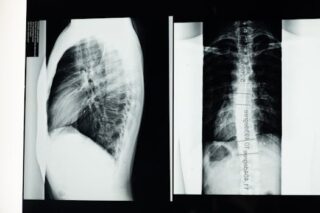
The Schober test is a simple, yet effective, clinical procedure used to measure the flexibility of the lumbar spine. It plays a crucial role in assessing conditions that affect the spine’s ability to function properly, such as ankylosing spondylitis and other forms of inflammatory arthritis. Healthcare professionals use this test to evaluate limiting structures in the lower back that may be contributing to decreased range of motion and pain.
Understanding the Schober Test
The Schober test is utilized primarily by physiotherapists and doctors to assess spinal flexibility, specifically in the lumbar region. The test involves marking the skin over the lower back and measuring the distance between these marks as the patient bends forward. The procedure helps identify potential restrictions in spinal mobility, which is a critical indicator in conditions like ankylosing spondylitis.
During the Schober test, the clinician marks a point at the level of the posterior superior iliac spine on the patient’s back, which is usually the L5 vertebra. An additional mark is made 10 cm above the first one. The patient then bends forward as if attempting to touch their toes. An increase of less than 5 cm between the marks indicates decreased lumbar flexion, suggesting possible spinal stiffness often found in certain medical conditions.
Understanding the flexibility of the spine is essential not only for diagnosing diseases but also for planning appropriate treatment and physical therapy. Incorporating exercises that enhance spine mobility can be a beneficial part of maintaining overall health. To explore how regular exercise can benefit overall health, you might find helpful insights in the health advantages of working out in a home gym space.
Clinical Significance of the Schober Test
The Schober test is significant in diagnosing and monitoring the progression of ankylosing spondylitis, a form of arthritis that primarily affects the spine, causing inflammation, pain, and eventually leading to fusion of the vertebrae. This test helps track changes in spinal movement over time, providing valuable feedback for treatment adjustments.
For patients diagnosed with ankylosing spondylitis, regular assessment using the Schober test can inform both the healthcare provider and patient about the effectiveness of ongoing treatments or the need to alter current therapies. Comparing test results over time allows clinicians to understand better the progression of spinal stiffness and the impact of interventions.
Procedure for Conducting the Schober Test
Conducting the Schober test is straightforward, requiring only a measuring tape and a marker. Here are the steps involved:
- The patient stands relaxed, barefoot, with feet together.
- The clinician locates the posterior superior iliac spine and marks this spot.
- Another mark is made 10 cm above the first, along the spine.
- The patient slowly bends forward, keeping their knees straight.
- The distance between the two marks is measured with the patient in the bent position.
If the distance between the marks increases by less than 5 cm, it suggests limited lumbar spine flexion. This result indicates a need for further evaluation and personalized treatment plans to address the underlying cause of reduced mobility.
Considerations and Limitations
While the Schober test is widely used, it’s important to acknowledge its limitations. Various factors such as muscle tightness, incorrect technique, and patient compliance can influence the test’s accuracy. Therefore, clinicians usually consider the Schober test as part of a comprehensive clinical examination for diagnosing spinal conditions.
In some cases, supporting tests like imaging studies might be required to gain a full picture of the lumbar spine’s condition. Imaging studies can provide additional insight, especially when symptoms persist despite normal Schober test results.
The Role of the Schober Test in Treatment Planning
Beyond diagnosis, the Schober test aids in treatment planning for individuals requiring physical therapy or medical interventions. For example, a personalized exercise program might be adjusted based on test outcomes to target improving lumbar flexibility specifically.
Additionally, ongoing monitoring with the Schober test can offer evidence of therapy effectiveness, which is crucial for chronic conditions that require long-term management. Health professionals may adjust therapeutic approaches based on the patient’s test results over time, ensuring continued alignment with evolving symptoms and mobility needs.
Ultimately, while the Schober test offers insightful data on spinal mobility, it should be used alongside other diagnostic methods and under medical professional guidance to develop a holistic and effective treatment regime.
The Current Research and Future of the Schober Test
Ongoing research continues to explore enhancements to traditional methods such as the Schober test, aiming to ensure even greater accuracy and utility in clinical settings. Emerging technologies, like digital and imaging tools, are being studied to complement and enhance this classic technique further.
For more detailed information about the Schober test and other orthopedic assessments, you might consult resources such as this Wikipedia entry on the Schober test. Such resources provide additional background and contextual information that may deepen understanding and perspective on this valuable diagnostic tool.
- The Schober test is a simple, effective tool to assess lumbar spine flexibility.
- It is particularly useful for diagnosing and monitoring ankylosing spondylitis.
- Accuracy can be influenced by various factors; hence, it is part of a broader diagnostic approach.
- Future research aims to enhance and complement the Schober test with technology.
- Patients should use test outcomes to guide treatment but consult with health professionals for personalized care.
What is the Schober test used for?
The Schober test is used to measure the flexibility of the lumbar spine, particularly in patients suspected of having ankylosing spondylitis.
How is the Schober test performed?
The test involves marking the lower back and measuring the increase in distance between the marks as the patient bends forward.
What does a normal Schober test result indicate?
A normal outcome typically indicates good lumbar mobility; the distance should increase by more than 5 cm as the patient bends forward.
Are there alternative tests to the Schober test?
Yes, healthcare providers might use other assessments, including imaging studies, to complement clinical findings when diagnosing spine issues.
How should one prepare for a Schober test?
No special preparation is required, but wearing comfortable clothing is advisable to facilitate the movement needed for the test.
Other Articles You May Find of Interest...
- Can a Chiropractor Help With Sciatica?
- Beyond the Adjustment: What a Comprehensive Approach to Chiropractic Care Looks Like
- How Long Does a Chiropractic Adjustment Last?
- Are Your Headaches Becoming Too Common? When It’s Time to Get Them Checked
- What Should You Know About Chiropractic Care Before Starting Treatment
- Spinal Decompression Therapy in Oklahoma: What to Know
- Who Can Get Spinal Decompression Therapy in Oklahoma?