Your Health Magazine Contributor
4201 Northview Drive
Suite 102
Bowie, MD 20716
More Chiropractic Care Articles
Chiropractic Care During Pregnancy: Benefits, Safety, and What to Expect
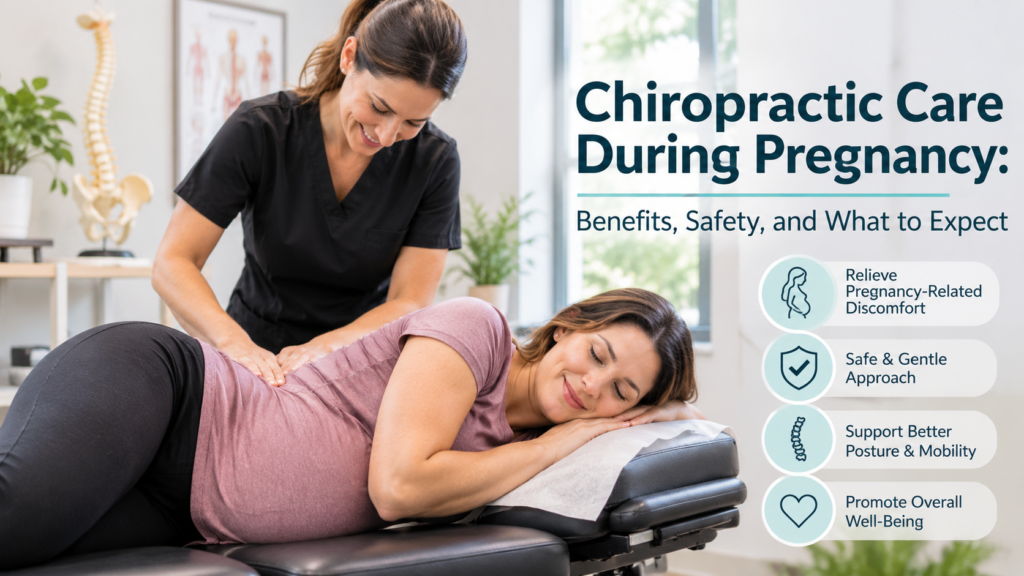
Pregnancy brings many physical changes as the body adjusts to support a growing baby. While these changes are a normal part of the process, they can sometimes cause back pain, pelvic discomfort, muscle tension, and changes in posture. These symptoms may make everyday activities such as walking, sitting, sleeping, and standing more difficult.
Chiropractic care is one option some expecting mothers explore to manage pregnancy-related musculoskeletal discomfort. With appropriate assessment and pregnancy-specific techniques, a qualified chiropractor may help improve comfort and mobility during this time.
Why Do Women Consider Chiropractic Care During Pregnancy?
As pregnancy progresses, the body experiences changes in weight distribution, posture, and joint movement. The growing abdomen can place additional stress on the lower back and pelvis. Hormonal changes may also affect the ligaments and joints, contributing to discomfort.
Some expecting mothers consult a pregnancy chiropractor to discuss suitable ways to manage back pain, pelvic discomfort, and other musculoskeletal concerns.
Common reasons women consider chiropractic care include:
- Lower back pain and muscle tension
- Pelvic discomfort or stiffness
- Hip pain and reduced mobility
- Postural changes
- Discomfort while walking, sitting, or sleeping
The type of care recommended depends on each person’s symptoms, pregnancy stage, and medical history.
Is Chiropractic Care Safe During Pregnancy?
Chiropractic care may be suitable for some pregnant women when provided by a qualified professional who has experience working with prenatal patients. However, it is important to understand that every pregnancy is different.
A chiropractor should review the patient’s health history, current symptoms, and pregnancy-related concerns before recommending treatment. Pregnancy-specific positioning and gentle techniques may be used to help avoid unnecessary pressure on the abdomen.
Expecting mothers should consult their obstetrician or healthcare provider before beginning chiropractic treatment, particularly if they have a high-risk pregnancy or other medical concerns.
Common Discomforts Chiropractic Care May Help Address
Pregnancy can affect different areas of the body. Although chiropractic care does not treat every pregnancy-related condition, an appropriate care plan may help some women manage musculoskeletal discomfort.
1. Lower Back Pain
Changes in posture and increased weight around the abdomen can place extra pressure on the lower back. Some women experience muscle tightness or discomfort, especially during the later stages of pregnancy.
2. Pelvic Discomfort
The pelvis and surrounding joints adapt as the body prepares for childbirth. These changes may contribute to discomfort while walking, climbing stairs, or changing positions.
3. Hip and Joint Discomfort
Changes in movement and posture can place additional stress on the hips and nearby muscles. Gentle, pregnancy-appropriate care may help improve comfort and movement.
4. Neck and Shoulder Tension
Changes in posture, sleeping positions, and daily activities can contribute to tension in the neck and shoulders. A chiropractor may recommend suitable approaches to manage this discomfort.
What About Itching During Pregnancy?
Itching is another symptom some women experience during pregnancy. It may occur because of skin stretching, dryness, or hormonal changes. However, persistent or severe itching should not be ignored.
In particular, itching on the palms or soles, especially without a visible rash, may be a sign of intrahepatic cholestasis of pregnancy (ICP). This condition requires prompt medical assessment.
Chiropractic care is not a treatment for pregnancy-related itching or liver conditions. Contact your healthcare provider if itching is severe, persistent, or unusual.
What Happens During a Prenatal Chiropractic Visit?
A prenatal chiropractic appointment usually begins with a discussion about the patient’s health, pregnancy history, and current symptoms.
The chiropractor may assess posture, movement, and areas of discomfort before suggesting an appropriate approach.
A visit may include:
- Reviewing medical and pregnancy history
- Discussing current pain or mobility concerns
- Assessing posture and movement
- Using pregnancy-appropriate positioning
- Providing gentle, individualized care when appropriate
- Suggesting simple exercises or lifestyle adjustments
Patients should feel comfortable asking questions and discussing any concerns before treatment begins.
Understanding the Webster Technique
The Webster Technique is a specific chiropractic analysis and adjustment approach commonly discussed in prenatal chiropractic care. It focuses on the pelvis and surrounding structures.
Some pregnant women seek practitioners trained in this technique to address pelvic discomfort. However, it should not be considered a guaranteed method for turning a breech baby or changing fetal position.
Expecting mothers should discuss fetal positioning and any pregnancy-related concerns with their obstetrician or midwife.
How to Choose a Chiropractic Wellness Center
Choosing an experienced provider is important when considering chiropractic care during pregnancy. Look for a Chiropractic wellness center that understands the physical changes associated with pregnancy and provides individualized care.
Before scheduling an appointment, consider the following:
- Check the chiropractor’s qualifications and licensing.
- Ask about experience with prenatal patients.
- Confirm that pregnancy-specific techniques are available.
- Discuss your medical history and any pregnancy complications.
- Make sure the provider communicates clearly about treatment options and limitations.
A good provider should respect your comfort level and coordinate with your healthcare team when needed.
Final Thoughts
Pregnancy can bring several physical changes that affect comfort, posture, and mobility. Chiropractic care may help some expecting mothers manage certain musculoskeletal concerns when it is appropriate for their individual circumstances.
Before starting treatment, speak with your obstetrician or healthcare provider and choose a qualified chiropractor with prenatal experience. The right approach should focus on your comfort, safety, and overall well-being throughout pregnancy.
Frequently Asked Questions (FAQs)
1. Can you visit a chiropractor while pregnant?
Some pregnant women can receive chiropractic care from a qualified professional experienced in prenatal treatment. However, it is important to consult your healthcare provider first, especially if you have pregnancy complications.
2. What pregnancy discomforts may chiropractic care help with?
Depending on the individual, chiropractic care may help manage certain musculoskeletal concerns, such as lower back pain, pelvic discomfort, hip stiffness, and muscle tension.
3. When should you start chiropractic care during pregnancy?
There is no single recommended starting point for everyone. Some women seek care during the first trimester, while others consider it later. Discuss the timing with your healthcare provider and chiropractor.
4. Does chiropractic treatment help with breech positioning?
The Webster Technique is sometimes discussed in relation to breech positioning, but it is not a proven or guaranteed way to turn a baby. Speak with your obstetrician about safe and appropriate options.
5. Do I need my doctor’s approval before seeing a chiropractor?
It is a good idea to discuss chiropractic care with your obstetrician or healthcare provider before starting. This is particularly important if you have a high-risk pregnancy, unusual symptoms, or an existing medical condition.
6. How do I find a chiropractor experienced in prenatal care?
Look for a licensed chiropractor with specific experience in treating pregnant patients. Ask about their training, techniques, and approach to pregnancy-related discomfort before booking an appointment.
Other Articles You May Find of Interest...
- How Gentle Chiropractic Care May Help With Hip and Pelvic Discomfort
- Chiropractic Care During Pregnancy: Benefits, Safety, and What to Expect
- Chiropractic Care for Neck Pain: What Should Evaluation and Treatment Include?
- Common Mistakes to Avoid Before Your First Chiropractic Appointment
- What Is Postgraduate Chiropractic Rehabilitation Training? A Rhode Island Chiropractor Explains
- Functional Biomechanics and Neuromuscular Rehabilitation in High-Demand Athletic Conditioning
- What Chiropractic Care Looks Like in Practice