






More Chiropractic Care Articles
Cervical Lordosis: What Does It Mean for Your Spine Health?
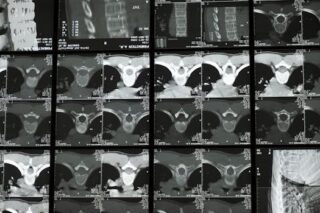
Cervical lordosis refers to the natural inward curve of the cervical spine, which is located in the neck area. Understanding this curvature is crucial for maintaining good spine health, as it plays a significant role in supporting the weight of the head and ensuring proper alignment of the spine. Deviations from the normal curvature can lead to pain and discomfort, making it essential to grasp what cervical lordosis entails and the potential health implications.
Understanding Cervical Lordosis
The cervical spine is composed of seven vertebrae, known as C1 to C7, which form a gentle curve from the base of the skull down to the upper part of the back. This curvature, called cervical lordosis, helps absorb shock, maintain balance, and allow for a wide range of movement in the neck. Any changes in this curvature can have a profound impact on overall spine health and function.
Causes of Cervical Lordosis Changes
Cervical lordosis can become more pronounced or lessened due to various factors. Poor posture, especially when using technology, is a common cause. Conditions such as osteoporosis, arthritis, or spinal injuries can also alter the normal curvature. Additionally, congenital factors may play a role, with some individuals born with variations in their spine alignment.
Symptoms and Diagnosis
Alterations in cervical lordosis can lead to symptoms such as neck pain, stiffness, headaches, and even numbness in the arms. If you experience these symptoms, a healthcare professional can diagnose the issue through a physical examination and imaging tests, like X-rays, to assess the spine’s curvature.
Importance of Maintaining Cervical Spine Health
Maintaining the normal curve of the cervical spine is crucial for preventing discomfort and promoting overall spinal health. Practices that help include maintaining good posture, performing neck exercises, and incorporating ergonomic tools when working on computers or mobile devices. A healthy lifestyle, including proper nutrition and exercise, can also contribute to spine health.
Treatment Options for Abnormal Cervical Lordosis
If cervical lordosis is deemed abnormal, treatment may involve physical therapy to help realign the spine and strengthen the surrounding muscles. In some cases, wearing a neck brace might be recommended to support the spine. Chiropractors may also employ manual adjustments to correct posture and alleviate discomfort. For severe cases, surgical intervention might be necessary.
Preventing Issues with Cervical Lordosis
Prevention is key when it comes to maintaining the health of your cervical spine. Regular exercises that strengthen the neck and back can help maintain the spine’s natural alignment. Taking breaks and changing positions frequently during long periods of sitting can also be beneficial. It’s also important to be mindful of how you use devices such as smartphones and computers to prevent neck strain, often referred to as “tech neck.”
The Connection Between Lifestyle and Spine Health
Leading a healthy lifestyle with regular physical activity and a balanced diet can have positive effects on spine health. Engaging in activities that improve flexibility and strength, like yoga or Pilates, can support the spine’s natural curvature. Additionally, staying hydrated and getting adequate nutrients supports bone health, which in turn aids in maintaining proper spinal alignment.
Consulting Healthcare Professionals
If you suspect issues with your cervical lordosis, it is important to consult with a healthcare professional. They can provide individualized guidance and recommend appropriate interventions. Remember that self-diagnosis or treatment is not advised, as it may worsen the condition.
Cervical lordosis is an essential component of spinal health, influencing how effectively your body can support and move your head. By understanding its significance and taking steps to maintain the normal curve, you can avoid discomfort and promote long-term wellbeing. For more information, visit Health on Wikipedia.
- Cervical lordosis is the natural curve in your neck, crucial for spine health.
- Poor posture and medical conditions can alter this curvature.
- Symptoms include neck pain and headaches, requiring medical evaluation.
- Preventive measures focus on posture, exercises, and lifestyle choices.
- Consulting experts is important for managing any abnormal spinal conditions.
What is cervical lordosis?
Cervical lordosis is the inward curve of the cervical spine, consisting of the neck vertebrae C1 through C7. This curvature is crucial for balance, movement, and supporting the head.
What causes changes in cervical lordosis?
Changes in cervical lordosis can be caused by factors such as poor posture, degenerative diseases, spinal injuries, and congenital spine conditions.
What are the symptoms of abnormal cervical lordosis?
Symptoms may include neck pain, stiffness, headaches, and sometimes numbness or tingling in the shoulders and arms.
How can I maintain a healthy cervical spine?
Maintain proper posture, strengthen neck and back muscles through exercise, and ensure ergonomic alignment of your workspace. Regular check-ups with healthcare providers can also help.
Is surgery necessary for cervical lordosis?
Surgery is generally considered a last resort, used in severe cases where other treatments, like physical therapy and braces, do not alleviate the symptoms.
Other Articles You May Find of Interest...
- What Causes Chronic Neck Pain? A Neck Pain Chiropractor Explains
- Evaluating Shoulder Function: Insights from the Drop Arm Test
- The Benefits of Seeing a Chiropractor for Chronic Migraines
- Unlocking the Secrets of the Schober Test for Accurate Spine Assessment
- Relieving Shoulder Blade Tenderness: Causes and Effective Solutions
- Navigating Life with Mild Scoliosis: Tips for Comfort and Care
- Cervical Vertigo: Unraveling the Connection Between Neck Issues and Dizziness




