Your Health Magazine Contributor
4201 Northview Drive
Suite 102
Bowie, MD 20716
More Child Health and Safety Articles
How to Collaborate Effectively with Your Child’s Educational and Therapy Team for Autism
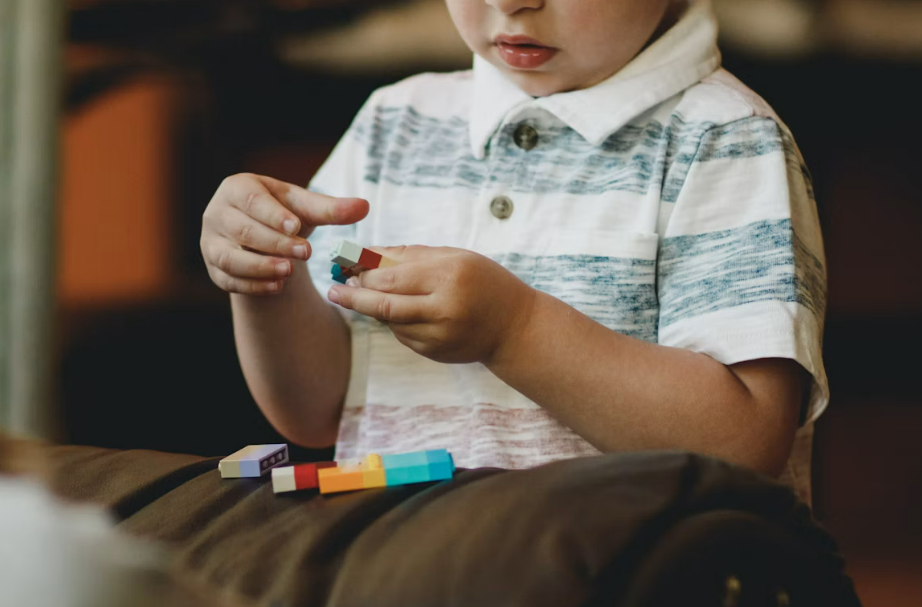
Helping an autistic child often means bringing several caring adults together: parents, teachers, Board Certified Behavior Analysts (BCBAs), Speech-Language Pathologists (SLPs), Occupational Therapists (OTs), school psychologists, and other providers. Collaboration matters because children make stronger use of skills when the adults around them communicate clearly and work toward shared goals.
If this feels like a lot to manage, you are not alone. Many parents feel unsure about who to contact, what to ask, or how to handle different opinions from school and private therapy teams.
Start with a Shared Communication Framework
A simple communication plan can prevent many misunderstandings.
Ask the team to agree on:
- Who is the main contact at school.
- Who is the main contact for private therapy.
- How often updates will be shared.
- What information can be shared with written parent consent.
- Which goals everyone is currently supporting.
For example, if your child is working on requesting help, the special education teacher, BCBA, and SLP should know what words, signs, device buttons, or prompts are being used.
Families using home-based ABA therapy in Utah may also want to ask how home-based goals can connect with classroom routines, such as transitions, group work, lunch, or asking for a break.
Use the IEP or 504 Plan as the Anchor
An Individualized Education Program (IEP) or 504 Plan can help keep everyone focused. These plans should describe your child’s needs, supports, accommodations, and goals in the school setting.
Under the Individuals with Disabilities Education Act (IDEA), parents are required members of the IEP team. This means your voice matters in meetings, decisions, and planning. Parent participation is not just helpful. It is part of the process.
Before meetings, write down:
- What is working at home.
- What is still hard at school.
- Which skills you want to see in daily routines.
- Questions for each provider.
The Organization for Autism Research offers parent-friendly guidance on IEP meetings, including how families can prepare and participate more confidently.
Support Skill Generalization Across Home and School

Skill generalization means your child can use a skill in more than one place, with more than one person. This is often where teamwork becomes especially important.
A child may learn to ask for a break during ABA therapy, but still struggle to ask during math class. Or they may follow a visual schedule at school, but feel lost during the bedtime routine at home.
To support generalization, ask the team to share:
- The exact words or visuals being used.
- Prompting strategies.
- Reinforcement ideas.
- Sensory supports.
- Progress notes in plain language.
Autism Speaks describes the value of a team approach when educating autistic students, especially when different professionals bring different strengths to the table.
Handle Disagreements with Curiosity First
Sometimes school staff and private providers disagree. One professional may prefer Applied Behavior Analysis (ABA). Another may use Positive Behavior Support (PBS), sensory strategies, or a language-based approach.
This can feel stressful for parents, but disagreement does not have to become conflict.
Try asking:
- “What goal are we all trying to support?”
- “What data or observations are guiding this recommendation?”
- “Can we try one shared strategy for two weeks and review progress?”
- “How can we make this realistic for the classroom?”
A helpful goal is not to make every provider use the same method all the time. The goal is to make sure your child is not receiving confusing support from different adults.
For parents who want a deeper academic view, this paper on school consultation discusses collaboration in educational settings.
Plan for Barriers, Not Just Goals

Some families face extra challenges, including language barriers, limited provider availability, transportation issues, insurance limits, or schools with fewer resources.
These barriers are real, and they can affect collaboration.
If this applies to your family, it may help to ask for:
- Interpreters for meetings.
- Written summaries after team discussions.
- Meeting times that work for caregivers.
- Clear explanations without jargon.
- Prioritized goals when time or services are limited.
You can also ask the school team which supports are available through the IEP, which supports may need medical or private therapy input, and what can be done right away while longer-term services are being arranged.
Plan Early for Educational Transitions
Transitions can be hard for autistic children, especially moving from preschool to kindergarten, elementary to middle school, or school to adulthood.
Start transition conversations early. Ask what skills your child will need in the next setting, such as changing classrooms, managing a locker, using a communication device with new staff, or tolerating a louder cafeteria.
A transition plan may include:
- Visits to the new classroom or school.
- Photos or social stories.
- Staff training before the first day.
- Updated IEP goals.
- A plan for sharing successful strategies with the new team.
Research on collaborative consultation can be useful for understanding how professionals coordinate support across educational needs and settings.
Conclusion
Strong collaboration does not mean every meeting will be perfect. It means the adults around your child keep communicating, adjusting, and focusing on practical progress.
Start small. Choose one skill, one routine, and one shared way to support it across home and school. From there, your child’s team can build a plan that feels clearer, calmer, and more connected.
Other Articles You May Find of Interest...
- How Pediatricians Evaluate and Manage ADHD in Children
- The Importance of Trustworthy Cleaning Personnel in Schools and Colleges
- A Perineal Tear From Wiping in a Toddler: Care and Warning Signs
- Does Red 40 Cause Autism? What the Evidence Actually Shows
- Sports Physicals in 2026: What They Check, Why They Matter, and How to Know Yours Was Done Right
- Can Milk Cause Diaper Rash?
- How to Collaborate Effectively with Your Child’s Educational and Therapy Team for Autism