More Child Health and Safety Articles
Goat Milk Protein in Children’s Snacks: What Parents Should Know
Parents are currently shifting toward cleaner food labels for their growing children. The demand for transparent ingredient lists has pushed dairy alternatives into the spotlight as families seek better options. Choosing healthy goat milk snacks for kids creates an opportunity to provide nutrition without the heavy processing found in many mainstream items. It’s worth noting that many children tolerate cow’s milk without any issues, and goat milk is one option among several rather than a necessary substitution for every family.
Evolving preferences for natural, clean-label ingredients
Modern families prioritize clear labels when scanning supermarket shelves for their households. They avoid long lists of unpronounceable additives that do not benefit a child’s developmental needs. Selecting simple, whole-food ingredients is a common approach to daily snacking.
Simplicity in ingredients allows parents to understand exactly what their children are consuming throughout the school day. Keeping the ingredient list limited to high-quality basics can offer parents more clarity and confidence about what’s in a snack.
Transitioning to simpler ingredient lists can help simplify meal planning for parents who are overwhelmed. It reduces the likelihood of encountering synthetic dyes or flavor enhancers that frequently appear in mass-market packets.
Increased awareness of digestive health in children
Understanding how small stomachs process food is a key concern for many caregivers. Some children experience tummy troubles that parents associate with dairy, though the underlying causes vary and are not always related to protein structure. Discussing recurring digestive symptoms with a pediatrician is a good first step before making dietary changes.
For families exploring alternatives, some children may find gentler dairy options more comfortable, though responses vary from child to child. When a child feels comfortable after eating, they may be more able to stay active and focused during daily play.
Some educators and parents observe a relationship between digestion and how children feel and behave during the day, though this connection is individual and not something that applies uniformly to every child. Supporting healthy digestion is generally considered part of a balanced approach to childhood nutrition.
Market innovation in dairy-based children’s snacks
The snacks aisle is changing as more companies introduce goat milk-based products aimed at digestibility and nutrient density. These options are intended to give parents more choices when looking for dairy alternatives.
New formats make these products accessible for busy households and school-packed bags alike. Portable pouches, cereals, and snack bars are increasingly available alongside other dairy options.
Product development has also focused on taste, with flavor pairings intended to help make goat milk products more appealing to children, including some pickier eaters.
Understanding the nutritional profile of goat milk
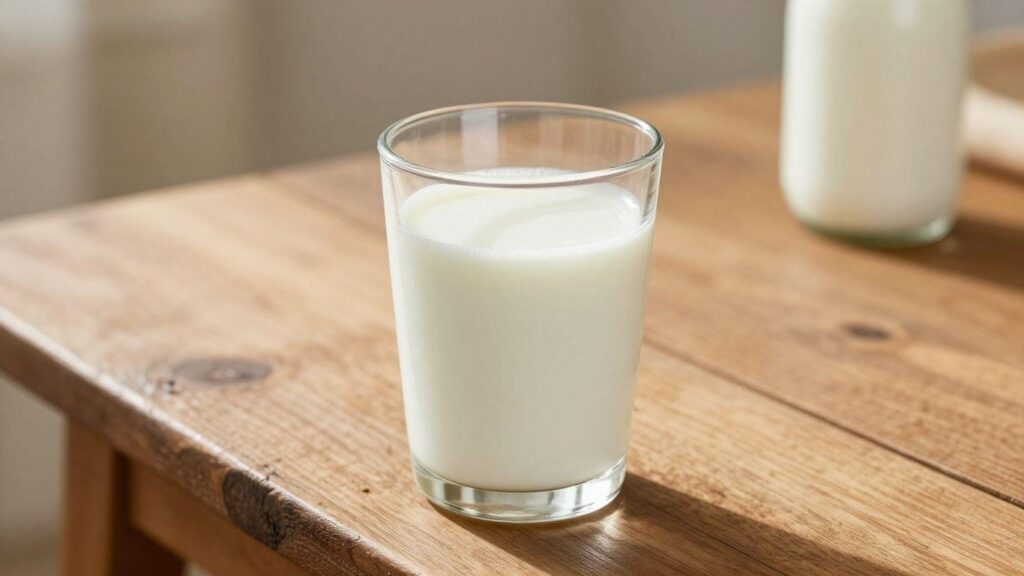
Goat milk contains essential vitamins and nutrients relevant to growing kids. Each serving has a composition that differs from cow milk in several ways, though both can be part of a nutritious diet.
Key differences between goat and cow milk protein
Goat milk contains proteins that differ structurally from those found in cow milk. These differences can affect how the body processes the protein during digestion. Some children may find this difference easier to manage than others, though individual responses vary and cow milk protein is well tolerated by most children.
These biological differences are why some healthcare professionals suggest goat milk as an option for children with certain sensitivities, though this is not a universal recommendation and should be discussed with a pediatrician. The way these proteins form structures in the stomach may lead to differences in digestion for some children.
Consistency in nutrition matters, and the protein structure of goat milk is one factor caregivers may consider alongside other options. Protein from either goat or cow milk can support a child’s physical development as part of a balanced diet.
Essential vitamins and minerals for physical development
Growing children rely on specific minerals like calcium to develop strong bone density and healthy teeth. Goat milk, like cow milk, is a source of calcium and other nutrients that support physical growth.
Beyond calcium, goat milk contributes B-vitamins that support daily energy and immune system function, similar to other dairy sources. These vitamins can help support a child’s activity levels throughout the day.
Nutrients play a specific role in supporting the rapid growth phases of a toddler. Relying on a variety of nutrient-dense sources, whether from goat milk, cow milk, or other foods, supports a well-rounded diet.
The role of A2 casein in nutrient bioavailability
Casein exists in different forms, and the A2 variety has been studied for how it’s digested. Many goat milks naturally contain more of these A2 structures relative to A1 forms found in other dairy. Some parents mindful of digestive comfort consider this when choosing dairy products, though research on A2 casein’s effects is still developing.
Bioavailability refers to how well the body can absorb the nutrients provided in a food item. Some research suggests A2 casein may be associated with easier digestion for certain individuals, though more study is needed and results can vary from child to child.
This protein profile is one of several differences between goat milk and standard dairy products. Understanding this can help parents make informed choices for their children, ideally in consultation with a pediatrician if there are specific concerns.
Digestive considerations for sensitive stomachs

Children with sensitive digestive systems may benefit from gentler food options, though what works best differs by child. These potential advantages are often discussed in relation to the natural structure of goat milk fats, and any persistent digestive concerns are worth raising with a pediatrician.
Comparing fat globule size and gastric digestion rates
The fat globules in goat milk are generally smaller than those in cow milk. Some research suggests this smaller size may allow digestive enzymes to process them somewhat differently, though the practical impact can vary between individuals.
Some parents and caregivers report that goat milk products feel lighter for their children, though this is an individual experience rather than a guaranteed outcome.
Some researchers note that smaller fat globule size may play a role in how fat is processed in the body, though this is an area of ongoing study rather than a settled conclusion.
Lactose content and dairy tolerance
Lactose content is frequently a point of interest for parents navigating dairy sensitivities in their kids. Goat milk is not lactose-free, and it is not an appropriate substitute for children with a diagnosed lactose intolerance or milk allergy without medical guidance. Some children may tolerate its profile differently than other dairy sources, but this varies and is not guaranteed.
Some families explore goat milk as one option among several when managing mild dairy sensitivities, though this should be done in consultation with a pediatrician rather than as a self-directed substitution for medical evaluation.
Tolerance levels vary significantly from child to child. Parents concerned about dairy tolerance or intolerance should speak with their pediatrician before making significant dietary changes.
Digestive comfort in toddlers
Toddlers often express digestive discomfort through fussiness during and after mealtime. Parents noticing consistent gas, bloating, or discomfort after meals should discuss this with a pediatrician rather than assuming a specific ingredient is the cause.
Identifying a feeding routine that works well for a child can support a more predictable schedule for the family. When a child associates mealtime with comfort, they may be more willing to try varied and healthy foods over time.
Caregivers sometimes report that dietary adjustments help with occasional digestive discomfort, though results vary and any persistent symptoms warrant a conversation with a healthcare provider rather than trial-and-error at home.
Integrating healthy goat milk snacks for kids into daily routines
Busy schedules require snacks that are both nutritious and easily accessible. Parents need solutions that hold up well in a bag while offering sustained energy for school activities.
Portable yogurt and drinkable smoothie options
Portable yogurts are one convenient way to integrate healthy goat milk snacks for kids into a daily schedule. They are proportioned for small appetites and fit easily into a lunch bag or cooler.
Smoothie options can provide hydration alongside protein and fats. Mixing in fruit or vegetables turns a simple drink into a more well-rounded snack. Using pre-mixed goat milk bases can help save time during busy mornings.
These portable formats can make it easier to work nutritional goals into everyday routines. Sealed packaging helps prevent spills and maintain freshness.
Baked snack alternatives using goat milk protein
Baking at home provides more control over the nutritional content of the final product. A goat milk porridge base can work well for items like pancakes, muffins, and breakfast cookies, giving parents a way to customize ingredients.
| Ingredient Component | Role in Snack | Nutritional Focus |
| Goat Milk Base | Protein Source | Muscle Growth |
| Natural Sweeteners | Energy | Satiety |
| Fiber Sources | Digestion | Gut Health |
The table shows how a basic base ingredient can support several different snack types. Adjusting the supporting ingredients allows the same core product to become several different snacks throughout the week.
Baking also gives parents an opportunity to add other beneficial ingredients like fiber-rich seeds or fruit purees. A goat milk protein muffin can be one way to add nutrients to a treat.
Savory snack pairings for balanced afternoon energy
Pairing goat milk products with savory options is one approach to a more balanced snack. Combining protein and healthy fats may help support steadier energy between meals for some children.
- Apple slices with a creamy goat milk dip
- Whole-grain crackers paired with mild goat cheese
- Roasted vegetable sticks served with a yogurt sauce
- Goat milk bites paired with sliced cucumbers
These simple additions can make a snack more substantial and varied. Using a mix of textures and flavors can help keep snack time engaging for children.
Savory pairings are one way to help expose children to a broader range of foods and flavors, which some parents find helps encourage varied eating habits over time.
Selecting high-quality, kid-friendly goat milk products
Quality is an important factor when choosing goat milk products for a developing child, as with any packaged food. Understanding how to read labels and certifications can help parents make more informed choices.
Analyzing labels for added sugars and artificial fillers
Reading a product label can help parents better understand what’s in a snack. Many kids’ snacks, regardless of dairy type, contain added sugars that may be described using healthy-sounding marketing terms. Checking the nutrition panel helps identify the actual contents of a product.
Looking for products where protein content is meaningful and added sugar is limited is a reasonable general guideline. Some parents also consider the presence of artificial fillers or preservatives when evaluating options, alongside other ingredient information.
Consistently checking labels can make it easier over time to identify products that align with a family’s preferences and nutritional priorities.
Evaluating sourcing practices and farm quality
Sourcing practices can be one factor in overall product quality. Farms that use practices such as grass-feeding are sometimes associated with different nutrient profiles, though the relationship between farming practices and specific health outcomes is complex.
Parents interested in sourcing can look into a brand’s farming and animal care practices as part of their overall evaluation of a product, alongside factors like ingredient lists and certifications.
Companies that are transparent about their sourcing often share this information on their websites. If this information isn’t readily available, parents can reach out to the brand directly with questions.
Identifying important certifications and organic standards
Certifications can offer a way to check that a product meets specific standards. Organic labels generally indicate that the goats were not treated with certain synthetic pesticides or hormones.
Third-party non-GMO labels can offer additional information for parents evaluating options. Checking these labels on packaging is one way to help narrow down choices while shopping.
Certified organic products may cost more, and whether that cost is worthwhile depends on a family’s own priorities and budget. Considering certifications is one part of a broader approach to choosing products for a family.
Conclusion
Goat milk protein is one option parents may consider as part of a child’s diet, offering a different nutritional profile than cow milk along with potential digestive differences for some children. Nutritional needs and dairy tolerance vary from child to child, and cow milk remains a perfectly suitable choice for many families. Parents with specific concerns about their child’s digestion, dairy sensitivities, or overall nutrition should talk to their pediatrician before making significant dietary changes.
Other Articles You May Find of Interest...
- Does Red 40 Cause Autism? What the Evidence Actually Shows
- Sports Physicals in 2026: What They Check, Why They Matter, and How to Know Yours Was Done Right
- Can Milk Cause Diaper Rash?
- How to Collaborate Effectively with Your Child’s Educational and Therapy Team for Autism
- 6 Vitamins for Picky Eaters to Consider in 2026
- Metabolic Disorders in Children: Symptoms, Testing, and Care
- Lambskin for Babies: 7 Things Parents Should Know