More Beauty Skin Care & Gorgeous Smiles Articles
Red Spots on the Skin: Possible Causes
By Your Health Magazine Health Information Team
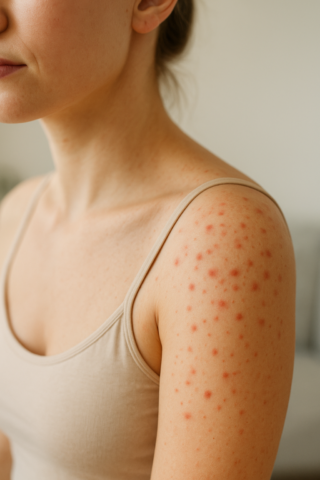
Red spots inside the skin may be caused by a small amount of bleeding beneath the surface, known as petechiae, or by inflammation affecting the skin itself. Possible causes range from friction, heat, shaving, insect bites, and contact reactions to infections, medication reactions, blood-clotting problems, or inflammation of blood vessels. The spots’ size, texture, location, and whether they fade when pressed can provide useful clues, but appearance alone cannot confirm a diagnosis.
Are the Spots on the Skin or Under It?
What people describe as red spots inside skin often falls into one of two categories:
- Inflamed skin: The area may be raised, itchy, scaly, warm, sore, or blistered. Redness caused by inflammation often becomes temporarily lighter when gently pressed, a response called blanching.
- Bleeding beneath the skin: Petechiae are pinpoint red, brown, or purple spots caused by blood leaking from tiny vessels. Larger areas may be called purpura. These marks are generally flat and do not fade when pressed.
Non-blanching spots are not automatically dangerous. For example, a few petechiae can appear on the face, neck, or upper chest after forceful coughing, vomiting, heavy lifting, or other prolonged straining. However, unexplained, widespread, or rapidly increasing spots should be medically evaluated.
Common Causes of Red Spots and Splotches
| Possible cause | Typical clues |
|---|---|
| Contact dermatitis | Itchy or burning red splotches where skin encountered soap, fragrance, cosmetics, detergent, jewelry, plants, rubber, or another irritant or allergen |
| Hives | Raised, intensely itchy welts that may appear suddenly, change shape, move to different areas, or disappear and return |
| Heat rash | Clusters of small bumps after sweating or exposure to hot, humid conditions, often under clothing or in skin folds |
| Folliculitis | Acne-like red bumps centered around hairs, sometimes itchy, tender, crusted, or filled with pus |
| Insect bites | Localized itchy bumps, sometimes with a visible central puncture mark |
| Eczema or psoriasis | Recurring inflamed patches with dryness, scaling, cracking, or itching |
| Cherry angiomas | Small, smooth or raised red-to-purple blood-vessel growths, especially on the torso and limbs; they are usually harmless |
| Petechiae or purpura | Flat red, brown, or purple marks that do not blanch and may occur with bruising or other bleeding symptoms |
A rash evaluation may involve questions about new products, medicines, illnesses, travel, outdoor exposure, and other symptoms. Depending on the findings, a clinician may recommend blood tests, allergy patch testing, a skin culture, or occasionally a biopsy.
What Causes Petechiae?
Petechiae form when tiny blood vessels bleed beneath the skin. Besides straining or minor trauma, possible causes include certain infections, low platelet levels, blood-clotting disorders, blood-vessel inflammation, and medication effects. A healthcare professional may be especially concerned when petechiae appear suddenly without an obvious explanation or occur with frequent bruising, nosebleeds, bleeding gums, blood in the urine or stool, or unusually heavy menstrual bleeding.
Do not stop a prescription medicine because red spots appear. Instead, contact the prescriber promptly, particularly if the spots began after a new medication or dose change. The clinician can determine whether the medicine may be involved and whether testing or a treatment adjustment is appropriate.
Details That Can Help Identify the Cause
If you are wondering what causes red spots on skin, consider what happened before they appeared and how they behave. Useful observations include:
- When they started: Sudden spots may follow an exposure, illness, medication, insect bite, or intense physical strain.
- Whether they itch or hurt: Itching is common with dermatitis, hives, bites, and eczema. Pain, warmth, or tenderness can suggest significant inflammation or infection.
- Whether they are flat or raised: Petechiae are usually flat, while hives, folliculitis, bites, and cherry angiomas are often raised.
- Whether they blanch: Inflamed redness may fade under pressure. Bleeding beneath the skin generally does not.
- Where they appear: A rash limited to an area touched by a watch, cosmetic, plant, or waistband suggests contact dermatitis. Bumps around shaved hairs suggest follicular irritation.
- Whether they are spreading: Rapid expansion or new spots appearing across the body deserves prompt attention.
- Other symptoms: Fever, breathing difficulty, facial swelling, severe headache, stiff neck, unusual bleeding, or feeling very ill changes the urgency.
Skin findings can also look different across skin tones. Redness may appear pink or bright red on lighter skin but deep red, purple, gray, or brown on darker skin. Texture, warmth, swelling, and symptoms such as itching or pain can therefore be as important as color. For more general information about symptoms and conditions, browse the MedlinePlus health topics directory.
What You Can Do While Monitoring the Spots
If the spots are mild, limited, and not accompanied by warning signs, use gentle skin care while watching for changes:
- Stop using recently introduced cosmetics, fragrances, soaps, lotions, or detergents until the cause is clearer.
- Wash with lukewarm water and a mild, fragrance-free cleanser.
- Avoid scratching, scrubbing, shaving, or applying strong skin products to the area.
- Wear loose, breathable clothing if heat, sweat, or friction may be contributing.
- Take a clear photograph in consistent lighting to document whether the spots spread or change.
- Ask a pharmacist or healthcare professional before using an over-the-counter treatment, particularly for a child, during pregnancy, or when other medicines are being taken.
If the marks are actually dark rather than red, the causes may be different. Learn more about small black dots on the skin.
When to Seek Care
Call 911 or seek emergency care for red spots or a rash accompanied by trouble breathing or swallowing, swelling of the face or mouth, faintness, confusion, or rapidly worsening illness.
Seek urgent medical care for non-blanching red or purple spots that appear with fever, severe headache, stiff neck, vomiting, unusual sleepiness, cold hands and feet, or severe body pain. Meningococcal disease can worsen quickly and may cause a dark purple rash in later stages; the CDC’s meningococcal disease guidance advises immediate medical attention when this infection is suspected.
Prompt evaluation is also appropriate if the rash spreads rapidly, covers much of the body, becomes painful, develops blisters or open sores, affects the eyes, mouth, or genitals, or shows signs of infection such as pus, increasing warmth, swelling, red streaks, or fever. These are among the warning signs identified in the American Academy of Dermatology’s guidance on when a rash needs medical treatment.
For spots that persist, recur, bleed, or remain unexplained, schedule an appointment with a primary care clinician or dermatologist. A clinician can examine the entire pattern, review medicines and exposures, and decide whether blood or skin testing is needed.
Other Articles You May Find of Interest...
- Red Spots on the Skin: Possible Causes
- How to Choose a Plastic Surgeon: 9 Questions to Ask at Your Consultation
- Rose Waters and Hydrosols for Your Face: What to Look For
- Smile and Skin: Planning Dental and Aesthetic Treatments
- How Incorporating PDRN Skincare Enhances Cellular Regeneration
- What Is a Med Spa? Treatments, Safety and How to Choose One
- The London Skin-Boosting Stack: Pairing Polynucleotides with Non-Surgical Rhinoplasty