






More Beauty Skin Care & Gorgeous Smiles Articles
How Chlorine in Shower Water is Secretly Damaging Your Skin Barrier

Daily showers may be quietly destroying your skin barrier. Chlorine in tap water is the main culprit. This common water additive strips natural oils. It increases moisture loss. It also triggers irritation, dryness, and premature aging. The good news? A simple shower filter can help prevent damage and restore your skin’s natural protection in as little as weeks.
What Exactly Is Your Skin Barrier and Why Does It Matter?
Your skin barrier is your body’s first line of defense. It is the outermost layer of your skin, known as the stratum corneum. This layer is made up of tightly packed skin cells (like bricks) held together by natural fats such as ceramides, cholesterol, and fatty acids (like mortar).
Think of it as a smart protective shield. It does not just sit on your skin. It actively works to keep your skin balanced, healthy, and resilient every day.
Structure of the Skin Barrier
- Built from dead skin cells called corneocytes
- Held together by lipids like ceramides, cholesterol, and fatty acids
- Forms a tight, waterproof seal on the skin surface
- Maintains a slightly acidic pH (acid mantle) to fight harmful microbes
Core Functions of the Skin Barrier
- Locks in moisture: Prevents water loss and keeps skin hydrated, plump, and soft
- Blocks external irritants: Shields against dirt, pollution, toxins, and allergens
- Protects against bacteria and germs: Stops harmful microorganisms from entering the body
- Supports skin repair and renewal: Helps your skin recover from daily environmental stress
Benefits of a Strong Skin Barrier
- Skin feels smooth, soft, and well-hydrated
- Reduced sensitivity and irritation
- Fewer breakouts and clogged pores
- Even skin tone with less redness
- Slower appearance of fine lines and wrinkles
- Better absorption of skincare products
Signs of a Weak or Damaged Barrier
- Dry, tight, or flaky skin
- Increased sensitivity or stinging sensation
- Redness and inflammation
- Itchiness or rough texture
- Frequent breakouts or irritation
- Worsening of skin conditions like eczema or dermatitis
Impact of Barrier Damage on Skin Health
- Water escapes more easily (transepidermal water loss increases)
- Skin becomes dehydrated and uncomfortable
- Irritants penetrate deeper into the skin
- Inflammation and flare-ups become more common
- Skin struggles to heal and protect itself
Hidden Everyday Triggers That Weaken the Barrier
- Hot showers and frequent washing
- Harsh cleansers or over-exfoliation
- Environmental pollution
- Low humidity or dry air
- Chlorine in tap water strips natural oils and disrupts lipid balance
Many people blame skincare products or weather changes. But daily exposure to chlorinated shower water can silently damage your skin barrier over time without you realizing it.
How Much Chlorine Are You Really Absorbing in the Shower?
Cities add chlorine to tap water to kill germs. This keeps drinking water safe. Yet the same chlorine touches your whole body during every shower.
You absorb more chlorine through your skin in a 10-minute shower than you do by drinking 8 glasses of the same water. Hot water makes it worse. Heat opens your pores wider. Steam helps chlorine enter your skin faster.
Research shows that a single shower can deliver a higher dose of chlorine than drinking water for an entire day. People in big cities with heavy water treatment notice the effects more. Even areas with treated water can have enough chlorine to cause problems over time.
The Science: Exactly How Chlorine Breaks Down Your Skin Barrier
Chlorine is a strong cleaner. It attacks germs in water. On your skin, it attacks the good things too. Here is exactly what happens step by step.
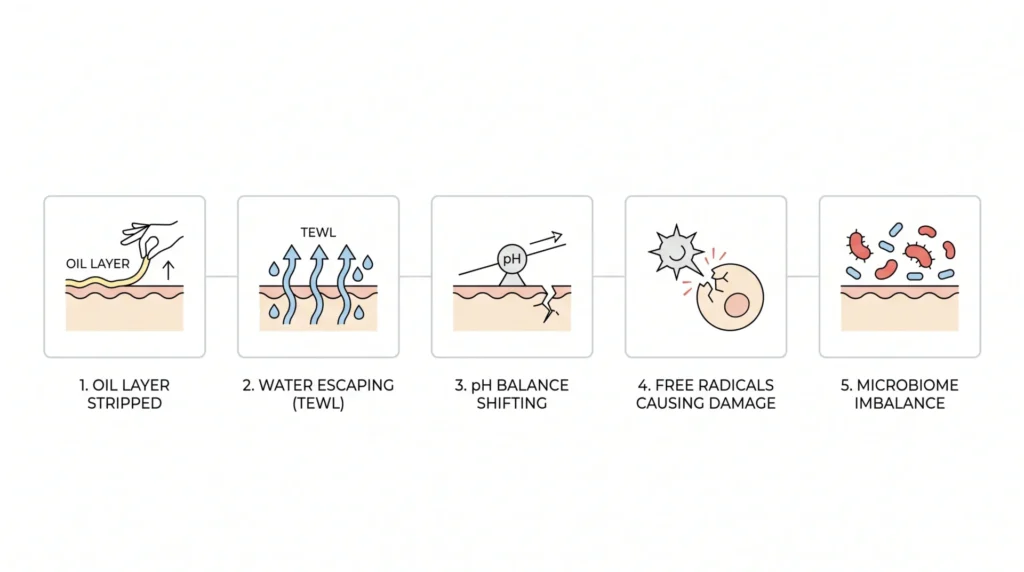
Chlorine Strips Natural Oils and Lipids
- These oils act like glue, holding your skin cells together.
- Without them, the barrier gets gaps and becomes weaker.
Chlorine Raises Transepidermal Water Loss
- This means your skin loses moisture much faster.
- Studies show repeated exposure to chlorinated water increases TEWL by several percent in just a few days.
Chlorine Disrupts Your Skin’s Natural pH Level
- Healthy skin stays slightly acidic.
- Chlorine pushes it toward alkalinity.
- This change makes the barrier weaker, allowing more irritants in.
Chlorine Creates Free Radicals
- These unstable molecules cause inflammation.
- Over time, they accelerate skin aging and worsen conditions like acne or eczema.
Chlorine Harms Your Skin Microbiome
- This is the community of good bacteria that lives on your skin.
- It helps control oil, fight bad germs, and keep the barrier strong.
- Chlorine kills both helpful and harmful bacteria.
- The result is an unbalanced microbiome that leads to more dryness and irritation.
According to a 2003 study published in PubMed, free residual chlorine in bathing water reduces the water-holding capacity of the stratum corneum, especially in people with sensitive skin. You can read the full study here: https://pubmed.ncbi.nlm.nih.gov/12692355/
Clear Signs Chlorine Is Damaging Your Skin Right Now
Watch for these common signs after your shower. If several match, chlorine may be the hidden cause.
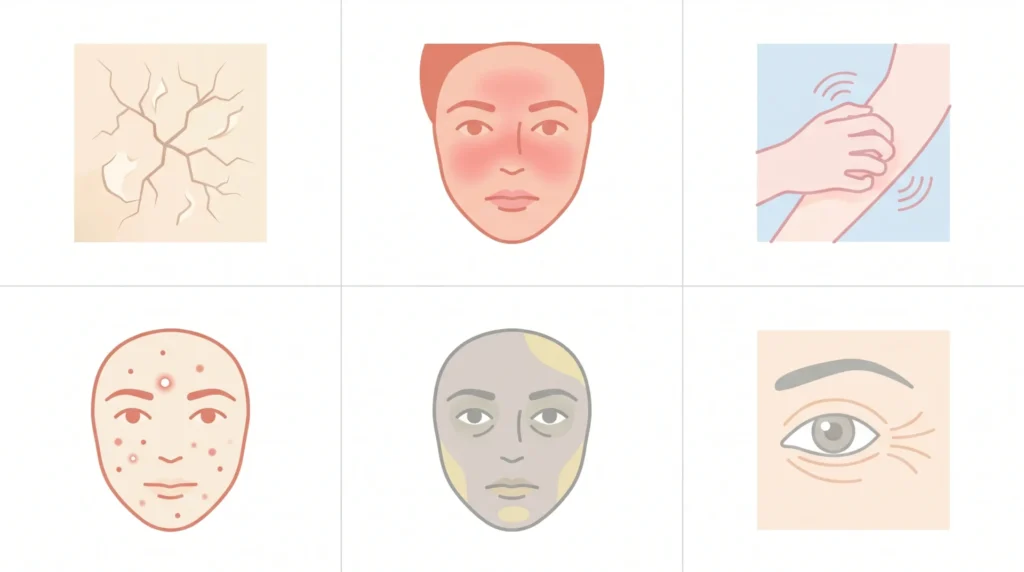
- Skin feels tight or squeaky clean right after washing.
- Dryness returns quickly, even with a good moisturizer.
- Red patches or itchiness appear on arms, legs, or face.
- Eczema or psoriasis flares up more often.
- Acne gets worse despite your usual routine.
- Skin looks dull and lacks its natural glow.
- Fine lines seem deeper than before.
- Products that once worked well now sting or irritate.
These signs often appear slowly. Many people think it is just aging or seasonal changes. Yet switching to cleaner shower water often clears them up within 1 to 2 weeks.
Who Is Most Vulnerable to Chlorine Skin Damage?
Some people feel the effects of chlorine faster than others.
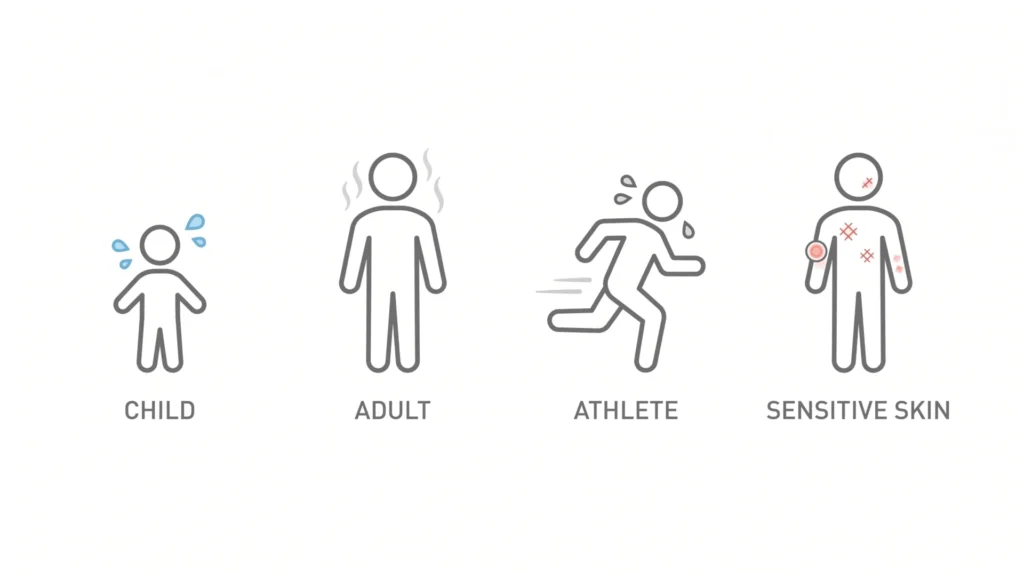
- People with sensitive, dry, or eczema-prone skin.
- Children, because their skin is thinner and more delicate.
- Adults who live in cities with heavily treated water.
- Anyone who takes long, hot showers every day.
- Athletes who shower after workouts.
If you fall into any of these groups, protecting your skin barrier should be a daily priority. Small changes can make a big difference.
How to Protect and Repair Your Skin Barrier from Chlorine
You do not need to overhaul your entire routine. Start with these simple steps.
Take shorter showers. Five to seven minutes is plenty. Use lukewarm water instead of hot. Hot water opens pores and pulls in more chlorine. Pat your skin dry gently. Rubbing removes extra natural oils. Apply a ceramide-rich moisturizer within three minutes after showering. This locks in hydration while the barrier is still open.
For the best long-term fix, many people install a high-quality filtered shower head. It reduces chlorine and heavy metals right at the source. One helpful option comes from Clyr Skin. Their shower filter gives you clean water every day without changing your routine. Learn more at
Filtered water helps your skin in clear ways.
- It stops the daily stripping of natural oils.
- It lowers TEWL, so moisture stays inside.
- It keeps your skin pH balanced.
- It protects the helpful bacteria on your skin.
Many users notice softer skin in the first week. Redness and itchiness often calm down within 30 days. Your existing skincare products also work better because the barrier is no longer fighting dirty water.
Your Skin Barrier Recovery Plan
Follow this easy 30-day plan to repair and protect your skin.
- Week 1: Switch to lukewarm, short showers and apply moisturizer right after.
- Week 2: Add a shower filter that removes chlorine and track how your skin feels.
- Week 3: Notice reduced tightness and better hydration.
- Week 4: Enjoy calmer skin, fewer flare-ups, and a healthy glow.
One simple upgrade really can change everything. Give your skin the clean water it deserves.
Other Articles You May Find of Interest...
- The London Skin-Boosting Stack: Pairing Polynucleotides with Non-Surgical Rhinoplasty
- How Breast Augmentation Can Make Getting Dressed Each Morning Feel Easier
- What to Know About Rhinoplasty Swelling, Healing, and Final Results
- Why More Adults Are Researching UltraClear Laser Treatments Nowadays
- When Skincare Products Aren’t Enough, Which Med Spa Treatments Should You Consider?
- How to Find a Qualified Botox Injector Near You
- How to Compare Natural Mineral Sunscreens in 2026





