






More Beauty Skin Care & Gorgeous Smiles Articles
Essential Sunscreen Tips for Safe Laser Hair Removal
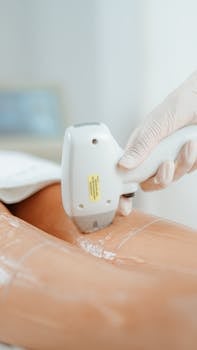
Imagine you’re planning for a laser hair removal session, and you’ve heard about the importance of protecting your skin with sunscreen. While laser hair removal offers a long-lasting reduction in hair growth, it’s vital to use appropriate sun protection to enhance the treatment’s effectiveness and safeguard your skin. Understanding the role and necessity of sunscreen for laser hair removal can make a significant difference in your skin health.
How to Choose the Right Sunscreen
Choosing the right sunscreen is key when preparing for laser hair removal. Opt for a broad-spectrum sunscreen with an SPF of at least 30. Broad-spectrum sunscreens protect against both UVA and UVB rays, which can cause skin damage. Sunscreens formulated for sensitive skin are often preferred due to their mild ingredients. Make sure to apply the sunscreen generously and reapply every two hours, especially if you’re outdoors.
Sunscreen for Laser Hair Removal: Essential Facts
Using sunscreen during your laser hair removal treatment aids in preventing pigment changes and reducing the risk of sunburn on treated areas. After each session, the skin can be more susceptible to UV damage. Consistent application of sunscreen before and after treatment is crucial in minimizing potential side effects. This enhances both the success of the laser procedure and the overall health of your skin.
Protecting Treated Areas Post-Session
After a laser hair removal session, your skin might be slightly sensitive. It’s essential to continue applying sunscreen regularly on the treated areas. Sunscreen helps prevent erythema or redness, which can appear post-treatment. Activities involving direct sun exposure should be minimized, and protective clothing, such as hats and UV-filter sunglasses, can be utilized for additional protection.
When to Seek Care
If you experience persistent redness, swelling, or pain after your laser hair removal session, it’s advisable to consult a dermatologist. They can assess the treated areas for any unusual reactions or potential complications. A clinician can provide advice tailored to your skin type and treatment needs.
Additional Skincare Tips Post-Treatment
A gentle, fragrance-free moisturizer can help soothe treated areas after laser hair removal. Aloe vera gel or creams containing calming agents are often recommended. While sunscreen application is central to post-treatment care, avoiding irritants like hot showers and exfoliating products for the first 48 hours is also crucial to allow your skin to recover optimally.
Role of Sunscreen in Everyday Life
Even if you’re not undergoing laser treatments, incorporating sunscreen into your daily routine is beneficial. It prevents premature aging, reduces the risk of skin cancer, and maintains your skin’s youthful appearance. Remember, long-term sun protection is a lifestyle choice that pays dividends in dermatological health.
For insights on balancing skincare and health, explore the importance of a high-protein diet for weight loss and how it supports overall wellness.
Common Questions
Can sunscreen be used immediately after a laser session?
Yes, but choose a sunscreen specifically designed for sensitive skin to minimize any potential irritation. Always follow your clinician’s advice on when it’s safe to apply sunscreen post-treatment.
Is it necessary to avoid the sun completely during laser treatments?
While it’s not necessary to entirely avoid the sun, minimizing direct sunlight on treated areas is important. When exposed, use sunscreen and wear protective layers to shield your skin adequately.
What if my skin reacts to the sunscreen?
If you notice irritation or an allergic reaction to a sunscreen, discontinue use and consult with a dermatologist. They can recommend alternative products suitable for your skin type.
Does sunscreen expire, and how does that impact protection?
Yes, sunscreen does expire, usually within three years of purchase. Using expired sunscreen may reduce its effectiveness, so always check the expiration date before applying.
How do I know if my skin is photo-sensitive post-treatment?
Photo-sensitivity can be identified by increased redness, itching, or burning when exposed to sunlight. If these symptoms occur, limit sun exposure and discuss your concerns with a healthcare provider.
For a general understanding of health topics, you can visit Health on Wikipedia.
- Use broad-spectrum sunscreen with at least SPF 30.
- Apply sunscreen regularly, especially after laser sessions.
- Consult a dermatologist if unusual symptoms persist.
- Incorporating sunscreen daily can enhance long-term skin health.
- Be aware of sunscreen expiration dates for maximum protection.
Other Articles You May Find of Interest...
- How Lifestyle and Personal Goals Can Shape Your Breast Augmentation Choices
- The Most Popular Cosmetic Treatments by Age Group
- What Makes a HydraFacial Treatment Professional?
- Botox vs Dysport vs Xeomin: Which Neuromodulator Is Right for You?
- Understanding PDRN Therapy: The Science Behind Skin Barrier Repair and Tissue Regeneration
- Who Is a Suitable Candidate for Breast Augmentation?
- Peptides vs Retinoids for Sensitive Skin: Why Matrixyl 3000 and CoQ10 Are Changing the Conversation




