More Beauty Skin Care & Gorgeous Smiles Articles
Why Dermatology Is an Essential Part of Overall Health and Wellness
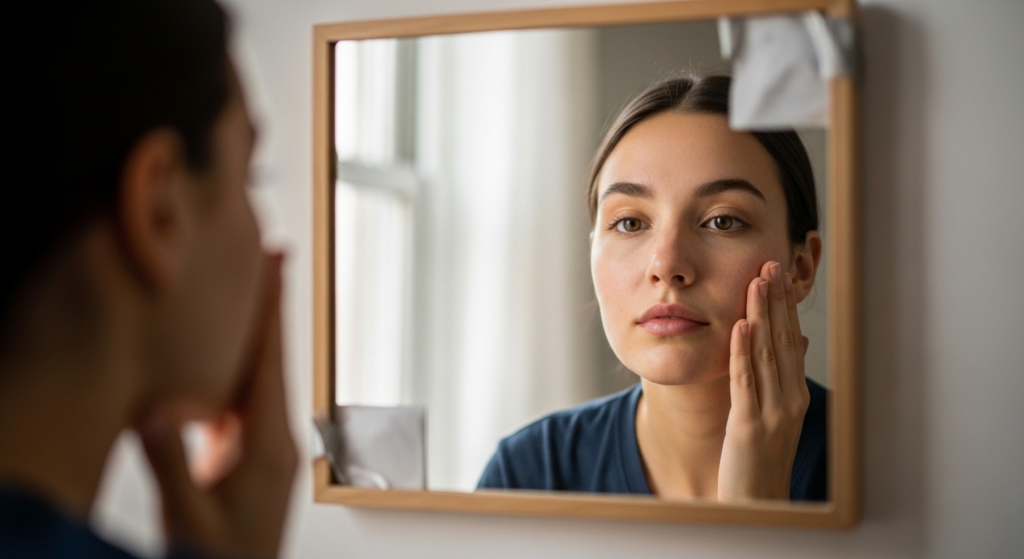
Most people think about dermatology only when they have a visible skin problem. Acne, dark spots, wrinkles. Things like that. But honestly, skin health is much more than appearance. The skin is the largest organ in the human body. It protects the body from bacteria, regulates temperature, and acts as the first line of defense against environmental damage.
Because of this, dermatology plays an important role in overall health and wellness. When the skin becomes damaged or unhealthy, it can affect both physical health and emotional wellbeing. Many people do not realize how deeply skin conditions such as acne scars, pigmentation problems, or aging skin can influence confidence and daily life.
Today, modern dermatology has evolved far beyond simple creams or medications. Advanced treatments offered at a dermatology clinic in Seoul or other specialized centers are designed to restore skin health while improving overall quality of life.
The Skin and Its Connection to Physical and Emotional Health
Skin health affects more than appearance. It often affects how people feel about themselves. For many individuals, visible skin conditions can create emotional stress or social discomfort.
Think about acne scars, for example. Even after acne has disappeared, scars may remain for years. These marks on the skin can make people feel self-conscious in social situations. Some individuals may avoid photographs or public events because they are worried about how their skin looks.
Pigmentation disorders can have a similar impact. Dark patches, uneven skin tone, or melasma may lead to frustration or embarrassment. Aging skin also affects confidence. Wrinkles, sagging skin, and loss of elasticity can change how people perceive their own appearance.
Because of these effects, dermatology is not only about treating skin disease. It is also about helping individuals regain confidence and feel comfortable in their own skin.
Understanding Acne Scars and Modern Treatment Options
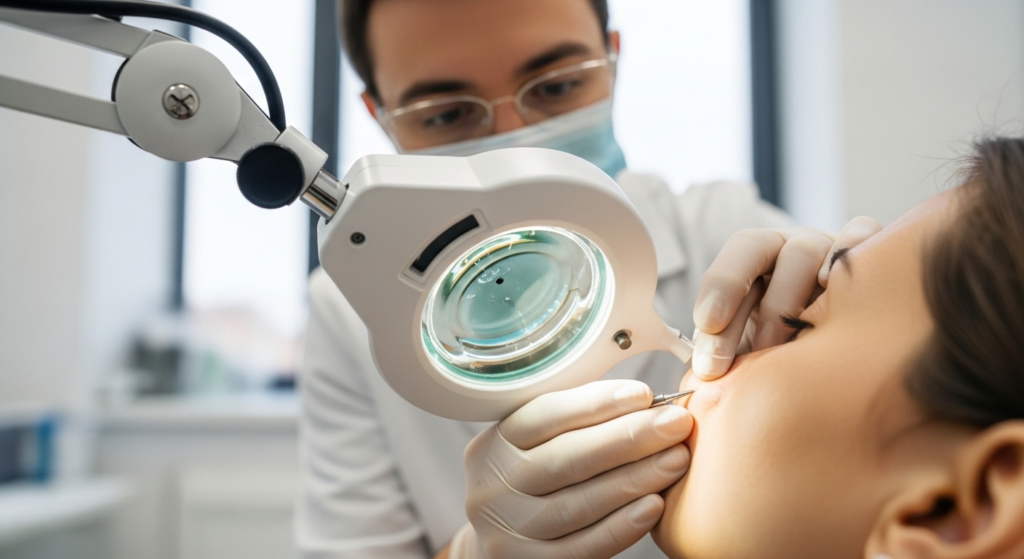
Acne is one of the most common skin conditions in the world. Many people experience it during adolescence, but adults can also develop acne.
Unfortunately, severe acne may leave permanent scars. These scars occur when inflammation damages the deeper layers of the skin. Over time, the damaged tissue forms uneven texture or depressions on the skin surface.
Modern dermatology offers several approaches to acne scar treatment. Dermatologists now use techniques that stimulate collagen production and encourage the skin to repair itself naturally.
Common acne scar treatments include:
- Laser resurfacing procedures
- Microneedling treatments
- Chemical peels
- Subcision techniques that release scar tissue
These treatments work gradually by improving skin texture and promoting natural skin regeneration.
A qualified dermatologist in Seoul or other experienced dermatology specialists can evaluate the type of acne scars and recommend the most appropriate treatment plan.
Pigmentation Problems and Dermatological Care
Pigmentation disorders occur when melanin production becomes uneven in the skin. This leads to dark spots, patches, or discoloration.
There are several causes of pigmentation issues. Sun exposure is one of the most common factors. Hormonal changes, acne inflammation, and genetic predisposition can also contribute to uneven skin tone.
Many patients visit a skin clinic in Seoul seeking solutions for pigmentation problems because these conditions often require professional care rather than simple skincare products.
Dermatological pigmentation treatment options may include:
- Medical chemical peels
- Laser or light-based therapies
- Prescription topical medications
- Skin rejuvenation treatments
These treatments aim to reduce excess pigmentation and restore a more even skin tone.
Because pigmentation conditions vary widely, dermatologists usually design personalized treatment plans based on the patient’s skin type and medical history.
Aging Skin and the Role of Dermatology
Skin aging is a natural biological process. Over time, the body produces less collagen and elastin, which are proteins responsible for skin strength and elasticity.
As collagen decreases, the skin begins to lose firmness. Wrinkles and fine lines appear. Skin may also become thinner and less resilient.
Environmental factors can accelerate this process. Ultraviolet radiation from sunlight is one of the main causes of premature skin aging. Pollution, smoking, and stress may also contribute to the breakdown of skin structure.
Dermatology clinics now offer several advanced anti-aging dermatology procedures designed to slow or improve visible signs of aging.
People who seek anti-aging treatment Seoul often look for dermatology clinics that combine medical expertise with modern technology.
Ultherapy: A Non-Surgical Skin Tightening Treatment
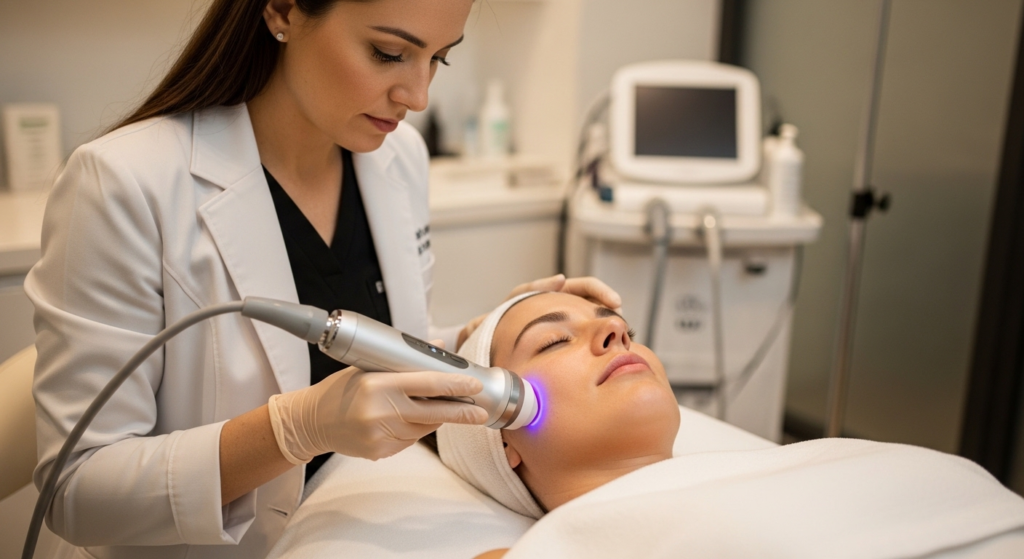
Ultherapy is a non-invasive dermatological treatment that uses focused ultrasound energy to stimulate collagen production beneath the skin.
Unlike surgical procedures, Ultherapy does not require incisions or extended recovery time. The treatment delivers ultrasound energy to deeper skin layers, which activates the body’s natural healing response.
Over several months, new collagen gradually forms. This process helps lift and tighten areas such as:
- The face
- The neck
- The brow
Ultherapy is often recommended for individuals who want subtle lifting effects without surgery.
Thermage and Radiofrequency Skin Tightening
Thermage is another advanced dermatological treatment used for skin tightening and rejuvenation.
This procedure uses radiofrequency energy to heat the deeper layers of the skin. The controlled heat stimulates collagen remodeling and encourages the skin to become firmer over time.
Thermage is commonly used to treat:
- Facial wrinkles
- Sagging skin
- Loose skin around the eyes
- Neck and jawline laxity
Because Thermage stimulates the skin’s natural collagen production, improvements usually develop gradually after the procedure.
Why Seoul Has Become a Global Dermatology Destination
Over the past decade, Seoul has become one of the most recognized centers for dermatology and aesthetic medicine.
Several factors explain this global reputation. South Korea has invested heavily in skincare research and dermatological technology. Medical professionals in the country often specialize in cosmetic dermatology and skin rejuvenation procedures.
As a result, many international patients travel to a dermatology clinic in Seoul to access modern treatments that combine medical science with innovative technology.
Gangnam, in particular, is known for its concentration of dermatology clinics and skincare specialists. Many clinics focus on dermatologist-led treatment planning and personalized skin analysis.
For example, Delight Dermatology Clinic is a dermatologist-led skin clinic in Gangnam, Seoul that provides personalized dermatology treatments for both local and international patients.
Clinics like these reflect the broader dermatology culture in Seoul, where individualized care and advanced treatment methods are central to patient care.
Consulting a Qualified Dermatologist
While skincare products are widely available, persistent skin concerns often require professional diagnosis.
Dermatologists are medical specialists trained to identify and treat a wide range of skin conditions, including acne, pigmentation disorders, and chronic inflammatory diseases.
A consultation with a dermatologist in Seoul or other experienced dermatology professional allows patients to receive accurate diagnosis and evidence-based treatment recommendations.
Professional dermatological care ensures that treatments are safe, appropriate for the patient’s skin type, and medically effective.
Dermatology as Part of Holistic Health
Dermatology plays a vital role in overall health and wellness. Healthy skin protects the body, supports immune function, and contributes to psychological wellbeing.
Conditions such as acne scars, pigmentation problems, and aging skin may appear cosmetic, but they can significantly affect emotional confidence and quality of life.
Modern dermatology treatments now offer effective ways to improve skin health while supporting mental wellbeing. With advances in laser technology, collagen stimulation procedures, and non-surgical skin tightening methods, dermatology continues to evolve as an important medical field.
As awareness of skin health grows, dermatology clinics around the world continue helping individuals achieve healthier skin and improved confidence through safe, scientifically guided care.
Other Articles You May Find of Interest...
- How Lifestyle and Personal Goals Can Shape Your Breast Augmentation Choices
- The Most Popular Cosmetic Treatments by Age Group
- What Makes a HydraFacial Treatment Professional?
- Botox vs Dysport vs Xeomin: Which Neuromodulator Is Right for You?
- Understanding PDRN Therapy: The Science Behind Skin Barrier Repair and Tissue Regeneration
- Who Is a Suitable Candidate for Breast Augmentation?
- Peptides vs Retinoids for Sensitive Skin: Why Matrixyl 3000 and CoQ10 Are Changing the Conversation