




Your Health Magazine Contributor
4201 Northview Drive
Suite 102
Bowie, MD 20716
More Beauty Skin Care & Gorgeous Smiles Articles
Laser Treatment for Pigmentation: Q-Switched vs Pico Laser and What Decides the Right Choice
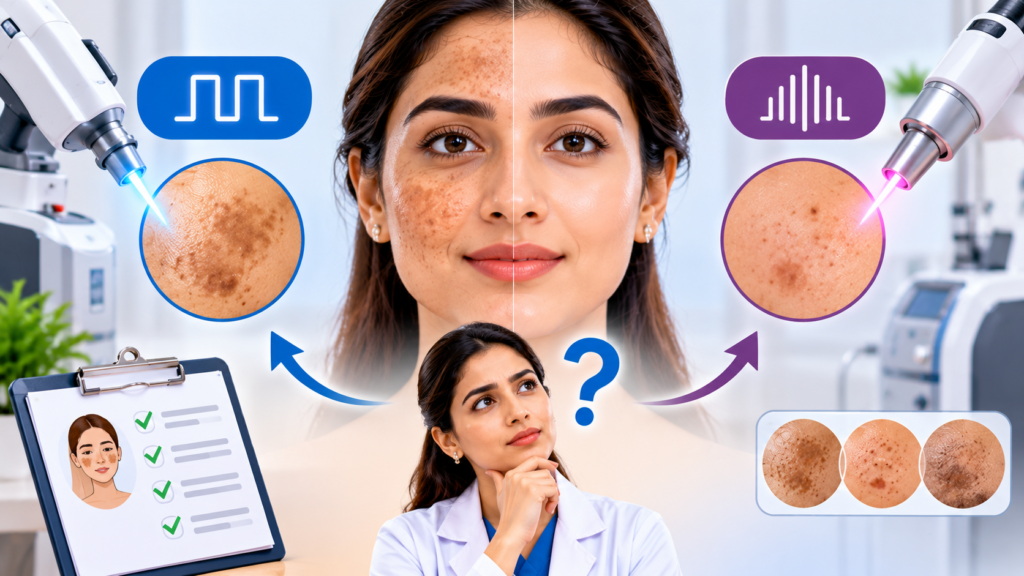
You have tried brightening creams, serums and sunscreen. The dark patches are still there, and some seem to return.
Pigmentation can affect confidence, especially when it sits on the face. The good news is that laser treatment for pigmentation has moved on. Dermatologists now choose between technologies such as Q-switched and Pico lasers, based on your skin and the type of patch.
Why Pigmentation Is Not One Condition
Pigmentation means extra melanin, the natural pigment that gives skin its colour. The cause and depth of that melanin decide what works.
- Sun spots (solar lentigines): Flat brown spots from years of sun exposure.
- Post-inflammatory hyperpigmentation: Dark marks left after acne, rashes or injuries.
- Melasma: Larger, symmetrical patches, often on the cheeks and forehead. Hormones, sun and heat can trigger it.
- Freckles and age spots: Small, defined brown marks.
Pigment can sit in the upper skin layer (epidermal) or deeper (dermal). Deeper pigment is generally harder to treat.
How Lasers Treat Pigment
Both lasers target melanin using short bursts of light. The pigment absorbs the energy and breaks into tiny particles. The body then clears these particles naturally.
The difference lies in how short the pulse is. Shorter pulses mean the energy acts more through shock-like force and less through heat.
Q-Switched Laser: What It Does
A Q-switched laser delivers pulses measured in nanoseconds, which are billionths of a second. It has been used for pigmentation for many years. Dermatologists often use it for sun spots, freckles and certain dark marks.
Its long track record is a strength. Some patients need several sessions, and the settings must be matched carefully to their skin tone.
Pico Laser: What It Does
A Pico laser delivers pulses in picoseconds, which are trillionths of a second. These pulses are far shorter than Q-switched pulses. They act mainly through a photomechanical effect, which means shattering pigment rather than heating it.
Because less heat spreads to nearby skin, Pico may be considered for sensitive or stubborn pigmentation. Studies comparing the two do not show that one is always better. The right choice depends on the patient.
Q-Switched vs Pico: How Dermatologists Decide
No single laser suits everyone. A dermatologist weighs these factors first.
- Type of pigmentation: Sun spots, post-acne marks and melasma respond differently.
- Depth of pigment: Surface pigment and deeper pigment need different approaches.
- Skin tone: Indian skin tones have a higher risk of darkening after treatment, so settings are kept cautious.
- Skin sensitivity: Reactive skin may suit gentler, low-heat settings.
- Treatment history: Previous peels, creams or lasers affect planning.
- Time and budget: Both lasers usually need a series of sessions.
A Note on Melasma
Melasma needs extra care. Aggressive laser settings can trigger rebound darkening. Dermatologists often combine gentle laser sessions with prescription topicals, strict sun protection and trigger control.
Melasma tends to be long-term and may recur. Honest expectations matter more here than with any other pigment type.
What to Expect During Treatment
- Consultation: The doctor examines your skin and may use a skin analysis tool.
- Sessions: Most plans involve several sessions spaced weeks apart.
- Sensation: Many people describe a quick snapping feeling. Numbing cream may be used.
- After the session: Mild redness or darkening of spots is common for a few days.
- Aftercare: Daily sunscreen, no picking and no harsh actives until your doctor allows.
Possible Risks to Discuss
Every laser carries some risk. These can include temporary redness, crusting, lightening or darkening of the skin, and rarely, scarring. People who are pregnant, have active skin infections or have a history of abnormal scarring should tell their doctor first.
What Dermatologists Want You to Know
The choice of laser depends on the type of pigmentation, skin tone, and individual treatment needs. For example, Dr. Nishtha Patel, a dermatologist at Kosmoderma Skin, Hair, Body Clinics, emphasizes the importance of evaluating these factors before selecting a treatment.
Questions to Ask Before You Book
- What type of pigmentation do I have?
- Which laser suits my skin tone and why?
- How many sessions will I likely need?
- What happens if the pigment returns?
- What aftercare do I need to follow?
Finding the Right Care
If you are looking for pigmentation treatment in Bangalore, choose a clinic that diagnoses before it treats. Ask whether the doctor offers more than one laser option. This helps your plan fit your skin and not the machine.
Achieving even-toned skin is a journey that goes beyond one device. Consulting a qualified dermatologist can save you time, money and frustration. You can also read about pigmentation treatment in Bangalore for a closer look at the options.
Disclaimer: This article is for general education only. It is not a substitute for professional medical advice, diagnosis or treatment. Results vary between individuals. Please consult a qualified dermatologist before starting any treatment.
Other Articles You May Find of Interest...
- Laser Treatment for Pigmentation: Q-Switched vs Pico Laser and What Decides the Right Choice
- The Benefits of Microneedling for Natural Skin Renewal
- Botox, Fillers, or Skin Treatments: Where Should You Start?
- What to Know About Skincare Products That Combine Different Exfoliating Acids
- How to Use Glycolic Acid Toner (Without Irritating Your Skin)
- Itchy Red Mark on the Leg: What Could Cause It?
- Itchy Bumps on the Legs Without Redness: Possible Causes





