More Gastroenterology Articles
Stomach Pain and Bloating: Causes and Relief
By Your Health Magazine Health Information Team
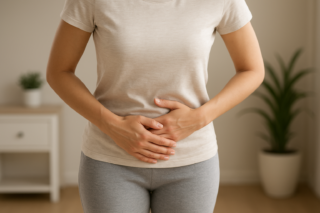
Bloatedness and stomach pain commonly result from gas, constipation, indigestion, food intolerance, or irritable bowel syndrome. Mild symptoms that follow a large meal and improve after passing gas or having a bowel movement are often temporary. However, severe, persistent, or worsening pain—especially with vomiting, fever, bleeding, unexplained weight loss, or an inability to pass stool or gas—needs medical evaluation.
Why Bloating and Stomach Pain Happen Together
Bloating is the sensation that the abdomen feels full, tight, or swollen. Distention means the abdomen has visibly increased in size. These symptoms can occur together, but a person may feel very bloated without having obvious distention.
Gas enters the digestive tract when you swallow air and when bacteria in the large intestine break down carbohydrates that were not fully digested. The resulting pressure can cause cramps, fullness, or aching. However, a belly that feels bloated and painful does not always contain an unusual amount of gas. Some digestive conditions make the intestines more sensitive to normal digestion or affect how gas and food move through the digestive tract. The National Institute of Diabetes and Digestive and Kidney Diseases provides more information about the symptoms and causes of digestive gas.
Common Causes of Stomach Pain and Bloating
- Swallowed air: Eating quickly, chewing gum, drinking through a straw, smoking, or consuming carbonated drinks can increase the amount of air entering the digestive tract.
- Food-related gas: Beans, lentils, certain vegetables, large amounts of fiber, and products containing sugar alcohols may produce more gas in some people.
- Constipation: Stool that remains in the colon can contribute to pressure, cramping, gas, and abdominal distention.
- Food intolerance: Difficulty digesting lactose, fructose, or other carbohydrates may cause bloating, pain, diarrhea, or excess gas after particular foods.
- Indigestion: Upper abdominal discomfort, early fullness, nausea, belching, and bloating may occur during or after meals.
- Irritable bowel syndrome: IBS can cause recurring abdominal pain, bloating, constipation, diarrhea, or alternating bowel habits. Learn more from this overview of irritable bowel syndrome.
- Short-term illness: Viral gastroenteritis and foodborne illness may cause pain and bloating along with nausea, vomiting, or diarrhea.
- Medicines and supplements: Iron, some pain medicines, certain antacids, antibiotics, and other products may contribute to constipation, indigestion, or gas. Do not stop a prescribed medicine without consulting a healthcare professional.
Less common causes include celiac disease, inflammatory bowel disease, ulcers, gallbladder or pancreatic conditions, delayed stomach emptying, and intestinal blockage. Abdominal pain may also come from the urinary tract or reproductive organs rather than the stomach or intestines.
What the Symptom Pattern May Reveal
The timing and location of symptoms can help a healthcare professional narrow the possibilities, although they cannot confirm a diagnosis by themselves.
| Symptom pattern | Possible explanation |
|---|---|
| Fullness and gas after eating quickly or drinking soda | Swallowed air or meal-related gas |
| Bloating with hard or infrequent stools | Constipation |
| Pain and diarrhea after dairy products | Possible lactose intolerance |
| Recurring cramps that improve after a bowel movement | IBS or another bowel-related condition |
| Upper abdominal burning, belching, or early fullness | Indigestion, reflux, gastritis, or an ulcer |
| Sudden severe pain with vomiting or inability to pass gas | Possible obstruction or another urgent condition |
Gurgling and fluid noises can accompany normal digestion, gas, or diarrhea. If these sensations are part of your concern, read more about why the stomach may make sloshing sounds.
Steps That May Provide Relief
If symptoms are mild and there are no warning signs, these measures may help:
- Slow down at meals. Take smaller bites, chew thoroughly, and avoid talking while chewing to reduce swallowed air.
- Try smaller meals. Large or high-fat meals can worsen fullness and indigestion in some people.
- Limit air-producing habits. Temporarily avoid carbonated drinks, drinking through straws, chewing gum, and sucking on hard candy.
- Track food and symptoms. Record what you eat, when symptoms begin, bowel habits, and what provides relief. Patterns may reveal a specific trigger.
- Address constipation carefully. Fluids, regular physical activity, and appropriate dietary fiber may help. Increase fiber gradually because a sudden increase can worsen gas and bloating.
- Avoid unnecessary food restrictions. Do not remove multiple food groups based on one episode. A clinician or registered dietitian can help assess recurring food-related symptoms while protecting nutritional intake.
Guidance from NIDDK on reducing gas symptoms also emphasizes eating more slowly, limiting fizzy drinks, and identifying foods that consistently trigger symptoms.
Over-the-counter products are not appropriate for every cause of bloating and pain. A pharmacist or healthcare professional can help determine whether a gas-relief product, antacid, constipation treatment, or another option is reasonable based on your symptoms, medical conditions, and current medicines.
When to Seek Care
Seek urgent medical care for sudden or severe abdominal pain, a rigid or very tender abdomen, chest pain, trouble breathing, vomiting blood, bloody or black stools, or an inability to pass stool or gas—particularly when accompanied by vomiting. Prompt evaluation is also important for abdominal pain during pregnancy or after an abdominal injury.
Arrange an appointment with a primary care clinician or gastroenterologist if stomach pain and bloating repeatedly return, disrupt daily activities, or do not improve. Evaluation is also appropriate when symptoms occur with persistent vomiting or diarrhea, fever, worsening constipation, difficulty swallowing, loss of appetite, jaundice, urinary symptoms, or unintentional weight loss. MedlinePlus lists additional warning signs associated with abdominal pain.
A clinician may ask about the location and timing of the pain, recent dietary changes, bowel habits, menstrual or pregnancy history, and medicines or supplements. Depending on the findings, testing may include blood, urine, or stool tests, imaging, breath testing for carbohydrate intolerance, or an endoscopic examination. Identifying the underlying cause is the most reliable way to treat recurring bloating and stomach pain safely.
Other Articles You May Find of Interest...
- Stomach Pain and Bloating: Causes and Relief
- Lower Abdominal Pain and Back Pain: What Can Cause Both?
- Peptic Ulcer Treatment: Medications and Other Options
- Feeling Nauseous All the Time but Not Throwing Up: Why?
- Stomach Pain: Common Causes and When to Seek Care
- Nausea and Stomach Cramps: Causes and Relief
- How to Relieve Bloating Quickly and Safely