Your Health Magazine Contributor
4201 Northview Drive
Suite 102
Bowie, MD 20716
More Cancer Awareness Articles
Understanding Modern Oncology and Cancer Care Today
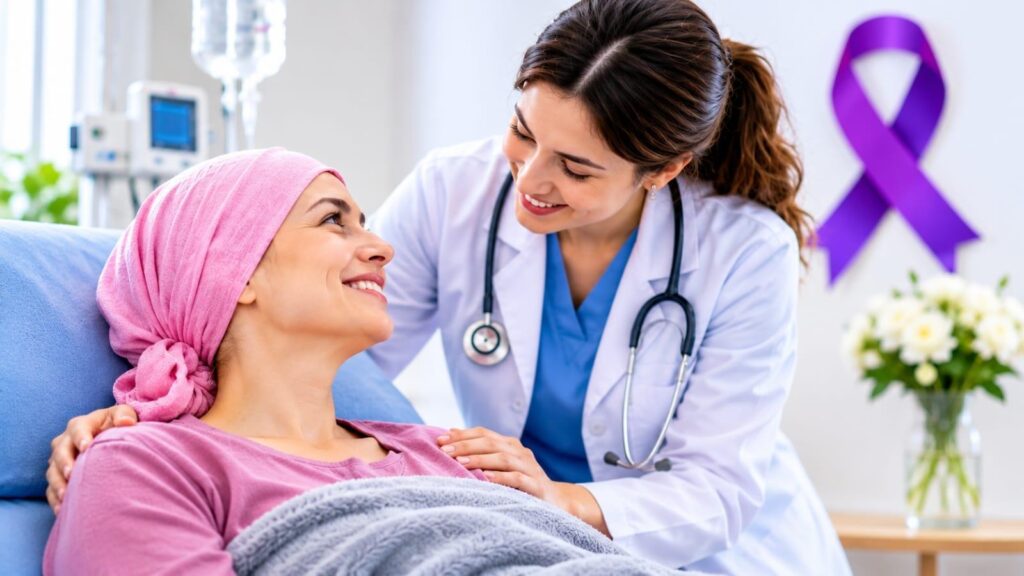
Have you ever wondered how cancer treatment has changed recently? Modern oncology offers new hope for patients and families. Treatments are advancing rapidly, making care safer and more effective.
More support systems are now available for those facing cancer. Each patient’s journey can feel confusing at first. But understanding these changes can make a big difference.
This blog post will break down today’s advanced therapies, the latest breakthroughs, and helpful resources for patients. Keep on reading!
What Is Oncology?
In medicine, oncology is the subspecialty that focuses on cancer. It encompasses the process of diagnosing, treating, and caring for individuals who have cancer. Oncologists are medical professionals who have chosen to specialize in this area.
Oncologists can treat many types of cancer. Oncology also encompasses the study of how cancer develops and spreads throughout the body. Finding more effective methods to combat cancer is always the objective.
Nurses, therapists, and social workers are often part of oncology teams. They collaborate to support patients. This collaboration is essential to provide the highest possible level of care.
Early Detection Matters
Early cancer detection can save lives. Routine checkups can detect early warning signs of cancer. Mammograms and colonoscopies are two diagnostic procedures that can detect cancer early.
Cancers that are not yet advanced are typically easier to treat. To detect dormant cancers, medical professionals may use blood tests and scans. Some individuals need more frequent screening because they are at higher risk.
Family history can also affect early detection. A timely diagnosis may lead to fewer adverse effects from treatment. As a result, patients also have more care options.
The Role of Personalized Medicine
Every person’s cancer is different. Personalized medicine uses information about a person’s genes to choose the best treatment. This approach is also called precision medicine.
Doctors look at a tumor’s genetic makeup to find the right drug. Some treatments work only for certain gene changes.
Personalized plans can lead to better results and fewer side effects. This type of care is growing fast in oncology.
It helps doctors avoid a “one-size-fits-all” approach. Patients feel more hopeful with a plan made just for them.
Surgery in Modern Oncology
Surgery is still one of the main ways to treat cancer. Surgeons remove tumors or cancerous tissue. Sometimes, surgery is used to check how far cancer has spread.
New techniques make surgery safer and recovery faster. Minimally invasive surgery uses smaller cuts and special tools. This means less pain and shorter hospital stays.
Robotic surgery offers even more precision. Doctors can now reach areas that were once hard to treat. These advances give patients more hope.
Radiation Therapy Advances
Radiation therapy uses high-energy rays to kill cancer cells. It can shrink tumors before surgery or destroy remaining cancer after surgery.
New machines target tumors more accurately than ever before. This reduces the risk of harming healthy tissue. Advanced technology now enables shorter treatment times.
Modern radiation methods can also reduce side effects. Doctors plan each session carefully for the best results.
Radiation therapy is often combined with other treatments. It remains a key part of cancer care today.
Chemotherapy: What Has Changed?
Chemotherapy uses drugs to stop cancer from growing. In the past, it often caused many side effects. Today, doctors use new drugs and better ways to deliver them.
Patients may get medicine through a vein or as a pill. Lower doses and new combinations can reduce discomfort. Supportive care helps manage side effects like nausea and tiredness.
Doctors now monitor patients closely during treatment. More options can help people feel better during chemo. Chemotherapy is still important, but much safer than before.
Immunotherapy and the Body’s Defenses
Immunotherapy is a newer way to treat cancer. It uses the body’s own immune system to fight cancer cells.
Some drugs help the immune system “see” and attack cancer more easily. These treatments are now used for many different cancers.
Immunotherapy can work when other treatments do not help. Side effects are often different from those of chemotherapy.
Doctors closely monitor the immune system for changes. Researchers are finding new immunotherapy drugs each year. This field gives patients new hope.
Targeted Therapies Explained
Targeted therapies focus on specific changes in cancer cells. They block signals that help cancer grow. These drugs often have fewer side effects than chemotherapy.
Doctors use tests to see which therapy is best for each patient. Targeted therapies can work when other treatments fail. They are often given as pills or through an IV.
Sometimes, doctors use them along with other treatments. Researchers find more targets every year. This approach is changing how doctors treat cancer.
Clinical Trials and New Discoveries
Clinical trials test new drugs and treatments in people. They are a key part of improving cancer care. Patients in trials may get early access to new therapies.
Doctors carefully monitor each step for safety. Some trials focus on new medicines, while others test new ways to use old drugs. Participation can also help future patients.
Not every trial suits every patient. Doctors help patients find the right trial. Clinical trials help bring better treatments to everyone.
Support Systems for Patients
A cancer diagnosis can be overwhelming. Support systems help patients cope with stress and emotions. Counseling and support groups offer a safe space to share feelings.
Many hospitals provide social workers and patient navigators. These experts guide patients through treatment choices. Financial counselors help with insurance and costs.
Nutritionists advise on healthy eating during treatment. Patients can also find help online and in their communities. Strong support helps people feel less alone.
The Importance of Nutrition
During cancer treatment, maintaining a healthy diet benefits the body. Proper nutrition helps maintain strength and energy. Some treatments can alter the taste of food or cause stomach problems.
To address these concerns, dietitians develop meal plans. Eating more frequent, smaller meals can help reduce the severity of side effects. Nutritionists often recommend high-protein foods and nutritious snacks.
Drinking enough water is also essential. With the right nutrition, you may recover more quickly. Nutrition is an essential part of cancer treatment.
Staying Active During Treatment
For cancer patients, exercise is not only safe but also beneficial. Light activity can help reduce fatigue and boost mood. Clinicians commonly recommend activities such as walking, stretching, and basic exercises.
Physical activity may help manage side effects such as nausea. Doctors recommend starting slowly and listening to your body. Physical therapy can help patients maintain strength.
Physical activity also benefits mental health. Patients are strongly encouraged to consult their care team before starting any new activities. Physical activity benefits overall health.
Palliative and Hospice Care Options
During the course of cancer treatment, palliative care assists in the management of pain and symptoms. The quality of life and comfort are the primary concerns. This care is not limited to end-of-life situations.
Many patients receive palliative care alongside other treatments. When treatment is no longer effective, hospice care is considered to have begun. This provides patients and their families with comfort and support.
Emotional and spiritual support are components of both sorts of care. Teams consist of medical professionals, nurses, and counselors. Patients now have more options than before.
The Role of Cancer Centers
Specialized cancer centers offer advanced treatments and experienced teams. These centers often have the latest technology. Patients can access clinical trials and new therapies.
Cancer centers provide personalized plans and support services. Many centers have programs for families and caregivers. The XenoSTART clinical research center partners with hospitals to test promising new cancer treatments.
Choosing the right center can make a big difference in care. Patients are encouraged to ask questions and seek second opinions. Cancer centers help guide each patient’s journey.
Financial Support and Insurance
The cost of cancer treatment can be quite high. Many people worry about how they will pay for medical care. Insurance policies may cover certain treatments, but they do not always cover everything.
Social workers can explain which policies cover certain services and which do not. Some hospitals provide help with documentation and financial aid. There is also the possibility of assistance from charitable organizations.
Patients can ask about payment options or discounts. Understanding coverage makes planning much simpler. Financial assistance helps patients focus on recovery.
Survivorship and Life After Cancer
“Survivorship” refers to life after cancer treatment. Survivors may experience new feelings and challenges. Follow-up visits help identify potential issues early.
To care for each survivor, doctors develop personalized plans. During the emotional phase of recovery, support groups can be very helpful. After overcoming cancer, many people find their lives have taken on new meaning.
Developing healthy habits like eating well and getting plenty of exercise is important. Today, survivorship care is an essential part of oncology. After treatment, patients are not alone.
Moving Forward With Confidence in Cancer Care
Modern oncology gives patients and their families hope. Treatments are now safer, more precise, and more individualized than in the past. Support systems are more robust and easier to access.
Every year, discoveries emerge through early detection and research. These days, cancer treatment is truly a collaborative effort. The future promises further advancements and better outcomes for everyone.
Other Articles You May Find of Interest...
- Understanding Modern Oncology and Cancer Care Today
- Adaptive Radiotherapy in the UAE: How Advanced Imaging Is Making Cancer Treatment More Precise
- What Is Chemotherapy and How Does It Work?
- After the All-Clear: What Integrative Cancer Support Looks Like Now
- Can Persistent Diarrhea Be a Sign of Pancreatic Cancer?
- Chondroma: A Usually Benign Tumor of Cartilage
- How Long Do Biopsy Results Take? Typical Waiting Times and Delays