Your Health Magazine Contributor
4201 Northview Drive
Suite 102
Bowie, MD 20716
More Cancer Awareness Articles
Adaptive Radiotherapy in the UAE: How Advanced Imaging Is Making Cancer Treatment More Precise
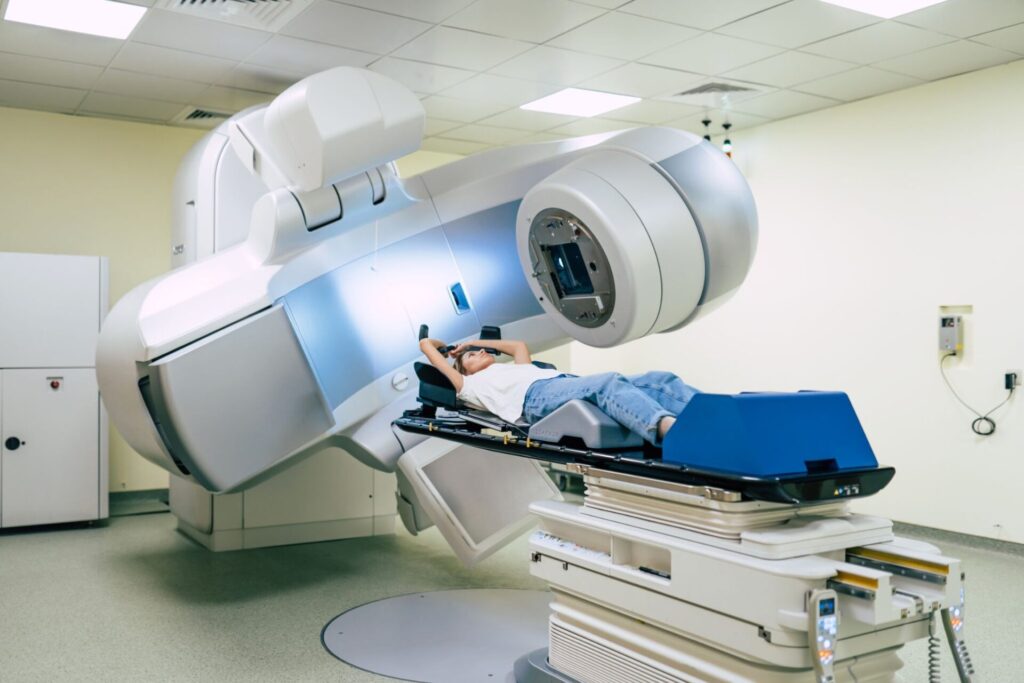
Cancer treatment used to follow a fixed script: one scan, one plan, dozens of identical sessions. That approach is changing fast, as tumors shrink, organs shift, and patients respond differently week to week, which means a static plan can quietly drift away from what a patient’s body actually needs. Adaptive radiotherapy solves this by recalculating treatment based on what’s happening inside the body on any given day, not what a scan showed weeks earlier. Facilities offering the best cancer treatment in UAE are now building this responsiveness directly into their radiation oncology programs, and patients are starting to ask why their plan might look different from one session to the next.
What is Adaptive Radiotherapy?
Traditional radiotherapy relies on a single planning CT scan taken before treatment begins. That scan defines the target area, and the same plan is delivered across the full course, often 20 to 40 sessions, with only minor positioning adjustments along the way. Adaptive radiotherapy uses updated imaging to assess anatomical changes and adjust treatment plans when necessary. Depending on the technology and treatment approach, these adjustments may occur during individual sessions or at selected points throughout treatment.
Cleveland Clinic Abu Dhabi’s Cancer Institute introduced the country’s first adaptive radiotherapy program, an advancement worth considering for patients researching the best cancer hospital in UAE. Online adaptive radiotherapy (OART) uses real-time imaging to adjust radiation treatment plans according to changes in a patient’s anatomy, helping ensure that each session is tailored to their current condition. The main advantages are tighter precision, smaller treatment margins, and the potential for fewer side effects, because the radiation dose is shaped around the tumor’s actual position rather than its predicted one.
Why Treatment Plans Change Between Sessions
Several things change over the course of radiotherapy, and each one can throw off the accuracy of an unadapted plan.
Tumors Shrink
As treatment works, the tumor mass often decreases in size, meaning the original target volume no longer matches reality. Continuing to irradiate the original larger area unnecessarily risks exposing healthy tissue.
Organs Move
Bladder filling, bowel gas, and breathing patterns all shift the position of nearby organs day to day. A prostate, for instance, can sit in a slightly different spot depending on how full the bladder or rectum is that morning.
Patient Positioning Varies
Even with careful setup, small differences in how a patient lies on the table can accumulate across dozens of sessions.
Imaging Data Gets Reintegrated
At leading cancer center Dubai and Abu Dhabi facilities, imaging captured just before each session is compared against the original plan, allowing clinicians to catch these changes and adjust accordingly rather than waiting until the end of treatment to notice drift.
A 2024 systematic review in Clinical Oncology on cervical cancer adaptive strategies found that increased workload and a lack of consensus on the most suitable adaptive approach remain real barriers to adoption. In other words, the clinical logic is sound, but the operational lift is significant — which is part of why adaptive radiotherapy is concentrated in advanced cancer centers rather than universally available yet.
The Role of Advanced Imaging Technology
Adaptive radiotherapy depends entirely on imaging that’s fast, detailed, and available at the point of treatment. MRI and CT-based imaging, including cone-beam CT, let radiation oncology teams visualize the tumor and surrounding anatomy immediately before each session, then adjust the plan within minutes rather than days.
A phase II randomized trial published in the Journal of the National Cancer Institute compared daily cone-beam CT-based adaptive radiotherapy against standard image-guided radiotherapy in head and neck cancer patients. The adaptive approach used markedly tighter treatment margins — 1mm, versus 5mm with standard image guidance — and resulted in significantly lower radiation doses to the parotid and submandibular glands, along with significantly less acute dermatitis. That precision is only possible because imaging and plan recalculation happen together, at the machine, on the day of treatment.
Machine learning and AI-assisted image analysis are increasingly used to speed up this process, helping teams detect anatomical changes and flag them for review faster than manual contouring alone would allow. A best oncologist in Abu Dhabi working within an adaptive program can use these tools to make same-day adjustments that would have been impractical even a few years ago.
Benefits for Cancer Patients
The clinical case for adaptive radiotherapy centers on a few consistent themes.
Lower Doses to Healthy Tissue: Because margins can be tightened when imaging confirms the tumor’s exact position, less healthy tissue sits inside the treatment field. The DARTBOARD trial’s parotid and submandibular gland sparing is a direct example of this in head and neck cancer.
Reduced Treatment-related Side Effects: Less dose to nearby organs generally lowers the risk of toxicity. The same DARTBOARD trial reported significantly reduced acute dermatitis with the adaptive approach.
More Personalized Care Over Time: Rather than a one-size-fits-all plan, adaptive radiotherapy responds to how an individual patient’s tumor and anatomy actually behave, which matters for patients balancing radiation with chemotherapy in Abu Dhabi or other concurrent treatments, where minimizing cumulative toxicity is a priority.
Supportive and Patient-centered Follow-through: Adaptive planning works best as part of a broader care model, one that includes supportive and survivorship services alongside active treatment.
Current Statistics and Evidence
Research into adaptive radiotherapy is expanding across several cancer types, bringing new opportunities to make radiation treatment more precise and tailored to individual patients.
In prostate cancer, the HERMES trial explored MRI-guided adaptive radiotherapy using 2- and 5-session treatment plans. The study reported acceptable short-term side effects, with no severe urinary toxicity in either group, highlighting the potential of shorter, image-guided treatment schedules.
In lung cancer, the NRG-RTOG 1106/ECOG-ACRIN 6697 trial explored the use of PET/CT imaging during treatment to guide personalized radiation doses. The approach proved safe and feasible, showing how imaging can help doctors adjust treatment to areas of the tumor that remain active.
In brain cancer, the UNITED trial investigated MRI-guided adaptive radiotherapy for glioblastoma. Among 98 patients, researchers reported a low rate of marginal tumor failure, supporting further research into smaller treatment margins and more precise radiation delivery.
Further progress is also being seen in head and neck cancer. A 2026 study found that carefully planned daily adaptive radiotherapy improved target coverage and reduced dose-planning violations when using 2 mm treatment margins. This highlights the value of adapting radiation plans to each patient’s changing anatomy.
Together, these studies highlight the growing potential of adaptive radiotherapy to improve treatment precision, support personalized care, and help doctors make better use of advanced imaging during cancer treatment.
Challenges and Future Directions
Adaptive radiotherapy requires careful planning and coordination. Each session may involve reviewing real-time images, adjusting treatment areas and recalculating radiation plans before treatment can begin. Although these steps require additional time and specialist input, advances in imaging and treatment technology are helping make the process more efficient and practical for cancer care.
Looking ahead, faster AI-assisted contouring, more efficient imaging protocols, and clearer clinical guidelines are likely to ease these barriers over the next several years. Randomized trials like DARTBOARD, HERMES, and UNITED are gradually building the evidence base needed to define exactly which patients benefit most, and by how much. The direction of travel is clear: radiotherapy is moving away from a single static plan and toward one that adjusts with the patient.
Why Access to Adaptive Radiotherapy Matters
Adaptive radiotherapy represents a genuine shift in how radiation oncology works, trading a single fixed plan for one that responds to the tumor and the patient in real time. The evidence so far is encouraging on precision and acute toxicity, more cautious on long-term patient-reported outcomes, and still expanding across cancer types. That mixed but promising picture is exactly why access to a program built around this technology matters.
When comparing cancer treatment options in the UAE, patients may want to ask whether adaptive radiotherapy is available and appropriate for their diagnosis. Cleveland Clinic Abu Dhabi‘s Cancer Institute is one facility patients can research when exploring available treatment options. As with any treatment decision, speak with your oncology care team about the potential benefits, limitations, and alternatives that best fit your individual case.
Other Articles You May Find of Interest...
- Adaptive Radiotherapy in the UAE: How Advanced Imaging Is Making Cancer Treatment More Precise
- What Is Chemotherapy and How Does It Work?
- After the All-Clear: What Integrative Cancer Support Looks Like Now
- Can Persistent Diarrhea Be a Sign of Pancreatic Cancer?
- Chondroma: A Usually Benign Tumor of Cartilage
- How Long Do Biopsy Results Take? Typical Waiting Times and Delays
- Can Biting Your Nails Cause Cancer?