




Your Health Magazine Contributor
4201 Northview Drive
Suite 102
Bowie, MD 20716
More Beauty Skin Care & Gorgeous Smiles Articles
Why Your Face Changes Shape With Age and What Modern Aesthetic Treatments Can Address
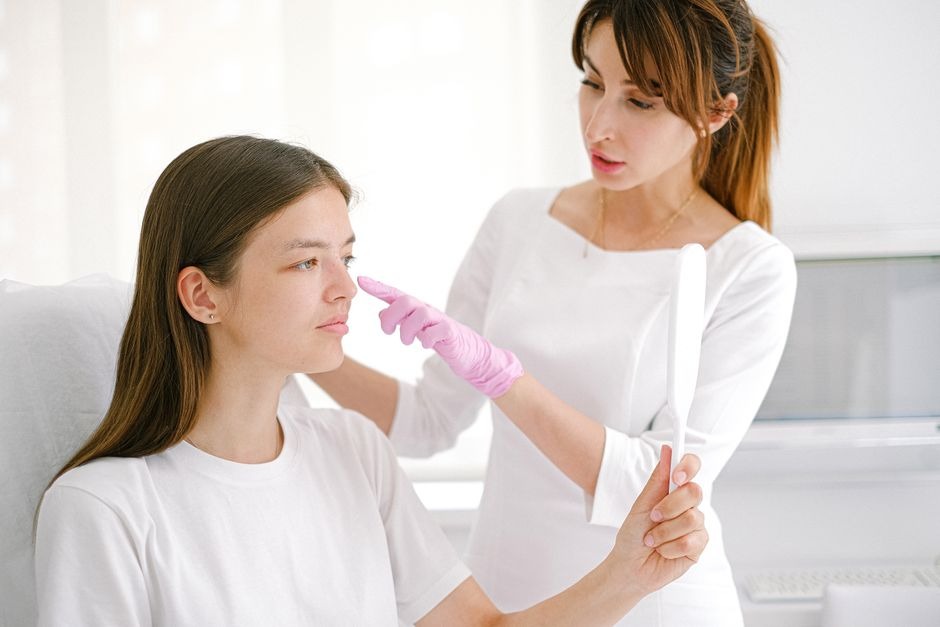
For adults in Lexington, Kentucky, maintaining healthy, youthful-looking skin involves more than choosing the right moisturizer. Over time, cheeks may appear flatter, facial contours become less defined, and lines around the mouth grow deeper. These changes can develop even when someone follows a consistent skincare routine.
What many people overlook is that facial aging involves changes beneath the skin, not just on its surface. Collagen, facial fat, bone structure, and skin elasticity all contribute to how the face looks.
Understanding these changes can help you choose appropriate skincare practices and explore professional treatments without expecting unrealistic results.
Why Facial Volume Loss Requires a Different Approach
Many people associate facial aging with wrinkles, but changes in volume can be equally noticeable. As facial fat compartments and supporting tissues change, the cheeks may lose fullness, and previously smooth contours can become more pronounced.
Moisturizers and topical treatments can improve surface hydration, but they cannot replace significant volume loss beneath the skin.
This distinction explains the growing interest in collagen-stimulating injectable treatments. Unlike products intended primarily to improve surface texture, these treatments target selected structural changes that contribute to an older appearance.
If you’re researching Sculptra Lexington specialists can help you understand how this injectable works is an important starting point. Sculptra contains poly-L-lactic acid, a biocompatible material that stimulates collagen production in treated areas. Rather than providing its full effect immediately, it produces gradual changes in facial volume over time.
A qualified medical professional can determine whether this approach is suitable based on facial anatomy, treatment goals, and medical history.
How Collagen Changes Affect Skin Firmness
Collagen is a structural protein that helps maintain the skin’s strength and support. During younger adulthood, collagen fibers contribute to a firm, resilient appearance.
As people age, collagen production and organization change. Environmental factors, particularly ultraviolet exposure, can accelerate the breakdown of existing collagen.
The result may include thinner skin, reduced elasticity, and more noticeable facial creases.
Although collagen is important, facial aging cannot be explained by collagen loss alone. Changes in fat distribution, muscle activity, and underlying bone also influence appearance.
This is why treatments designed to stimulate collagen may address certain concerns without correcting every visible sign of aging.
A comprehensive assessment considers the different tissues involved rather than assuming that all facial changes have the same cause.
Why Cheeks and Temples Often Change First
The cheeks and temples play an important role in facial proportions. Fullness in these areas helps create smooth transitions between the eyes, cheekbones, and lower face.
With age, changes in facial fat compartments and underlying support can make these areas appear hollow.
Some people notice deeper shadows beneath the cheekbones, while others develop more visible temples or pronounced folds around the mouth.
These changes vary considerably between individuals because genetics, body composition, and facial anatomy influence how aging develops.
Restoring volume in selected areas may improve facial balance, but excessive correction can create unnatural contours.
An experienced practitioner evaluates the entire face before recommending treatment.
The objective should be proportionate improvement rather than recreating an appearance that does not match the patient’s natural features.
Understanding the Difference Between Fillers and Collagen Stimulators
Not all injectable treatments work through the same mechanism.
Hyaluronic acid fillers generally provide relatively immediate volume by placing a gel-like substance beneath the skin. They may be used to address selected folds, contours, and volume concerns.
Collagen stimulators work differently.
Products containing poly-L-lactic acid encourage the body to produce collagen gradually, meaning visible improvements develop over weeks or months.
The distinction matters when setting expectations.
Someone seeking an immediate change before an important event may have different priorities from someone comfortable with a gradual treatment process.
Neither category is automatically superior.
Treatment selection depends on the area involved, the desired outcome, individual anatomy, and the practitioner’s assessment.
Patients should also understand that different products have different reversibility and complication profiles.
How Sun Exposure Influences Facial Aging
Ultraviolet radiation contributes to premature skin aging by damaging structural proteins and influencing pigmentation.
Repeated exposure can produce fine wrinkles, uneven skin tone, rough texture, and visible sunspots.
Even when facial volume remains relatively stable, these surface changes may make the skin appear older.
Daily broad-spectrum sunscreen with an SPF of at least 30 is an important preventive measure.
Protective clothing, sunglasses, and seeking shade during periods of intense sunlight provide additional protection.
Topical retinoids may improve certain signs of photoaging, although they can cause irritation and are not appropriate for everyone.
People considering prescription skincare should discuss suitability with a healthcare professional.
Preventive care cannot stop natural aging, but it can reduce avoidable environmental damage and support healthier skin over time.
What to Expect From Gradual Facial Rejuvenation
Treatments that stimulate collagen require patience because the body’s response develops over time.
A treatment plan may involve several sessions spaced weeks apart, depending on the product, treatment area, and individual goals.
Temporary swelling immediately after injections can create an appearance that differs from the eventual result.
As that swelling resolves, collagen development continues gradually.
Patients should understand that final outcomes may take several months to become apparent.
Results also vary because age, skin condition, anatomy, and individual biological responses influence treatment effectiveness.
Photographs taken under consistent lighting can help document changes more accurately than relying on memory alone.
A realistic plan should explain the expected timeline, likely maintenance requirements, and limitations before treatment begins.
Why Treatment Safety Matters as Much as Appearance
Cosmetic injections are medical procedures, even when they require relatively little recovery time.
Common temporary effects may include redness, tenderness, bruising, and swelling around injection sites.
More serious complications can include persistent nodules, infection, or unintended changes in facial contours.
Rare vascular complications associated with facial injections can cause tissue injury or other severe consequences.
Choosing an appropriately licensed and trained medical professional is therefore essential.
Before treatment, patients should discuss medical conditions, allergies, medications, previous procedures, and any history of abnormal scarring.
They should also ask which product will be used, where it will be injected, and how complications are managed.
A careful consultation should include an explanation of potential risks rather than focusing exclusively on expected cosmetic benefits.
Building a Skincare Routine That Supports Long-Term Results
Professional aesthetic treatments work best as part of a broader approach to skin health.
A practical daily routine begins with gentle cleansing, appropriate moisturization, and consistent sun protection.
Products containing ingredients such as ceramides and glycerin can help support the skin barrier and reduce dryness.
Adequate sleep, balanced nutrition, and avoiding tobacco also contribute to general health and may help limit avoidable skin damage.
However, no skincare routine can permanently prevent changes in facial fat, bone structure, or collagen.
Likewise, cosmetic procedures cannot replace healthy habits or eliminate every visible sign of aging.
The most useful strategy is to identify specific concerns and choose interventions that address their underlying causes.
For some individuals, improving hydration and sun protection may be sufficient. Others may benefit from professional treatment after a thorough consultation.
Healthy aging is not about preserving the same facial appearance indefinitely. It involves understanding natural changes, protecting skin health, and making informed decisions about which improvements genuinely matter to you.
Other Articles You May Find of Interest...
- Why Your Face Changes Shape With Age and What Modern Aesthetic Treatments Can Address
- How to Address Common Skin Concerns Through Daily Care and Professional Treatments
- Laser Hair Removal: What to Know Before Your First Session
- Dry Patches on the Skin: Causes and Care
- Red Spots on the Skin: Possible Causes
- How to Choose a Plastic Surgeon: 9 Questions to Ask at Your Consultation
- Rose Waters and Hydrosols for Your Face: What to Look For




