Your Health Magazine Contributor
4201 Northview Drive
Suite 102
Bowie, MD 20716
More Beauty Skin Care & Gorgeous Smiles Articles
Laser Hair Removal: What to Know Before Your First Session
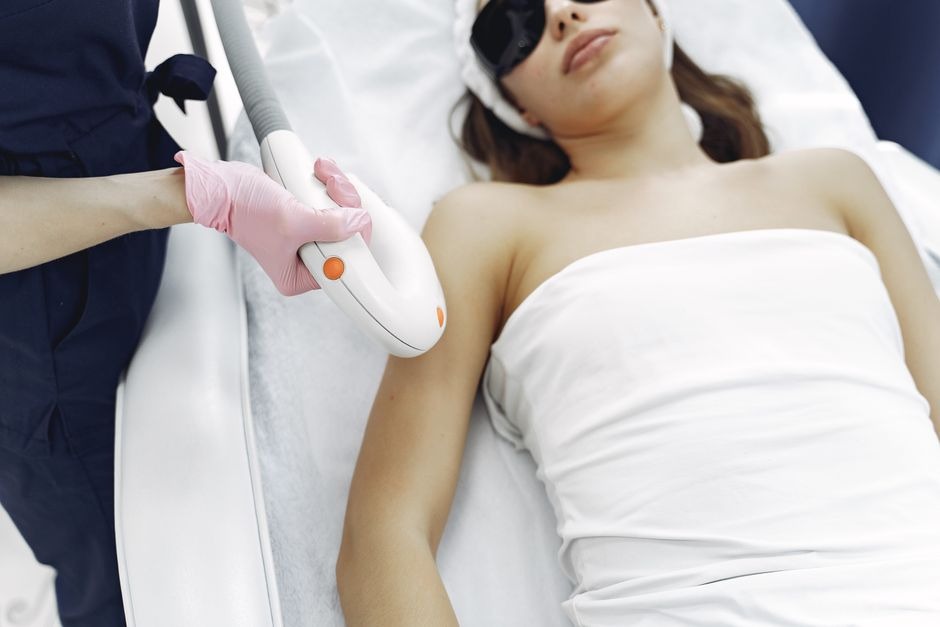
Hair removal can consume more time than you realize. Shaving before an event, managing razor bumps, and keeping waxing appointments can turn a simple grooming task into a recurring chore. Laser hair removal offers a longer-term alternative by reducing hair growth over a series of treatments. In Kalispell, Montana, seasonal changes also make treatment timing worth considering, particularly when winter dryness gives way to summer sun exposure. Before booking your first session, understand how the treatment works, what results to expect, and how to prepare your skin.
How laser hair removal works
Laser hair removal uses concentrated light energy to target pigment in hair follicles. The energy converts to heat, damaging the follicles and reducing their ability to produce hair. Because hair grows in different cycles, one session cannot effectively treat every follicle. Multiple appointments, spaced several weeks apart, are usually necessary.
Dark, coarse hair often responds best because it contains more of the pigment the laser targets. Blonde, white, gray, and some red hairs can be more difficult to treat. Results also vary by body area, hormonal influences, skin characteristics, and the technology used.
The goal is long-term hair reduction, not a guarantee that every hair will disappear permanently. Some hair may return, and maintenance sessions may be necessary to preserve results.
Why your consultation matters
A consultation helps determine whether laser treatment suits your skin, hair, and medical history. Your provider should assess your skin tone, recent tanning, medications, previous skin reactions, and any conditions that could affect treatment.
The type of laser matters, too. Different technologies suit different skin tones, and incorrect settings can increase the risk of burns or pigmentation changes. Ask which device will be used, whether the provider has experience treating your skin type, and what results are realistic for the area you want treated.
If you’re looking for laser hair removal Kalispell, MT, has plenty of options worth exploring. A good consultation should include potential risks, expected costs, the number of sessions you may need, and instructions for preparation and aftercare. Be cautious of anyone promising complete, permanent hair removal in a single appointment.
What treatment feels like
Laser hair removal is not usually completely painless, but discomfort is often manageable. Many people describe the sensation as a quick snap against the skin, sometimes accompanied by warmth. Your experience depends on the treatment area, personal sensitivity, device, and cooling system.
Smaller areas may take only a few minutes, while larger areas require longer appointments. Your provider should explain what to expect and offer appropriate cooling or other comfort measures.
One common mistake is arriving without shaving when your provider has instructed you to shave beforehand. Shaving helps leave the follicle intact beneath the skin while minimizing surface hair that could absorb energy unnecessarily. Waxing, threading, and tweezing should generally be avoided during the treatment course because they remove the hair the laser needs to target.
Plan sessions around sun exposure
Sun exposure can complicate laser treatment. Tanned skin may absorb more laser energy, increasing the risk of burns and unwanted pigment changes. Many people find cooler months convenient because treated areas are easier to cover, but treatment can be possible year-round when appropriate precautions are followed.
Before and after appointments, follow your provider’s guidance on sun avoidance and broad-spectrum sunscreen. Do not treat a recent tan as harmless, and disclose any changes in skin color before your session.
Timing between appointments matters as well. Treatments are usually spaced to target follicles during suitable growth phases. Your provider should recommend an interval based on the area being treated and your response rather than using the same schedule for everyone.
Who gets the best results?
People with darker hair often see more noticeable results, but modern laser technology can treat a wider range of skin tones when the equipment and settings are appropriate. Patients with darker complexions should seek a provider experienced in treating melanin-rich skin.
Certain factors call for additional care. Recent tanning, active skin infections, a history of pigmentation problems, and medications that increase photosensitivity may affect whether or when treatment is appropriate. Hormonal conditions, including polycystic ovary syndrome (PCOS), can contribute to ongoing facial or body hair growth and may increase the need for maintenance sessions.
Tell your provider about your medications, skincare products, medical conditions, and previous reactions. Do not stop prescribed medication without advice from the clinician who manages it.
For more background, the American Academy of Dermatology explains the procedure, its potential benefits, and possible side effects in its guide to laser hair removal.
Prepare properly before your first appointment
Preparation can help reduce avoidable irritation and make treatment safer. Follow the clinic’s instructions, which may vary by device and treatment area.
Common recommendations include:
- Avoid waxing and tweezing: These methods remove the follicle’s hair, interfering with the treatment target.
- Shave as directed: Many providers recommend shaving about 24 hours before an appointment, but confirm the timing with your clinic.
- Limit sun exposure: Avoid tanning and disclose any recent changes in skin color.
- Arrive with clean skin: Remove makeup, deodorant, lotion, and other products from the treatment area if instructed.
- Review skincare products: Ask whether retinoids, exfoliating acids, or other potentially irritating products should be paused.
Wear comfortable clothing that will not rub against the treated area. If you are unsure whether a product or medication could affect your appointment, ask beforehand rather than guessing.
What happens after treatment?
Mild redness, swelling around hair follicles, or warmth can occur after a session. These effects are often temporary, but the duration varies. Follow your provider’s aftercare instructions and contact the clinic if symptoms worsen or you develop blistering, severe pain, or unusual skin changes.
Use gentle skincare, protect exposed skin from sunlight, and avoid unnecessary heat or friction for as long as your provider recommends. Do not pick at the skin or attempt to speed up hair shedding.
Treated hairs may shed over the following days or weeks. To judge progress, look for slower regrowth, finer hairs, and reduced density across several sessions. If you see little improvement, ask whether the device, settings, treatment interval, or an underlying hormonal factor needs reassessment.
Decide whether laser hair removal is worth it
The value of laser hair removal depends on your hair type, skin, budget, expectations, and tolerance for repeated appointments. If shaving causes irritation or waxing consumes time and money, reducing regrowth may make daily grooming easier.
Compare the full course cost, including possible maintenance sessions, rather than judging affordability by the first appointment alone. Ask for a treatment plan and understand that results differ from person to person.
Laser hair removal can be a practical alternative to frequent shaving or waxing, but it requires preparation, patience, and appropriate professional care. When you understand the limitations and follow a tailored treatment plan, you can make a more informed decision about whether it suits your needs.
Other Articles You May Find of Interest...
- Why Your Face Changes Shape With Age and What Modern Aesthetic Treatments Can Address
- How to Address Common Skin Concerns Through Daily Care and Professional Treatments
- Laser Hair Removal: What to Know Before Your First Session
- Dry Patches on the Skin: Causes and Care
- Red Spots on the Skin: Possible Causes
- How to Choose a Plastic Surgeon: 9 Questions to Ask at Your Consultation
- Rose Waters and Hydrosols for Your Face: What to Look For