Your Health Magazine Contributor
4201 Northview Drive
Suite 102
Bowie, MD 20716
More Public Safety Articles
Food Recall Checklist: 5 Steps to Take Before You Eat What’s in Your Fridge
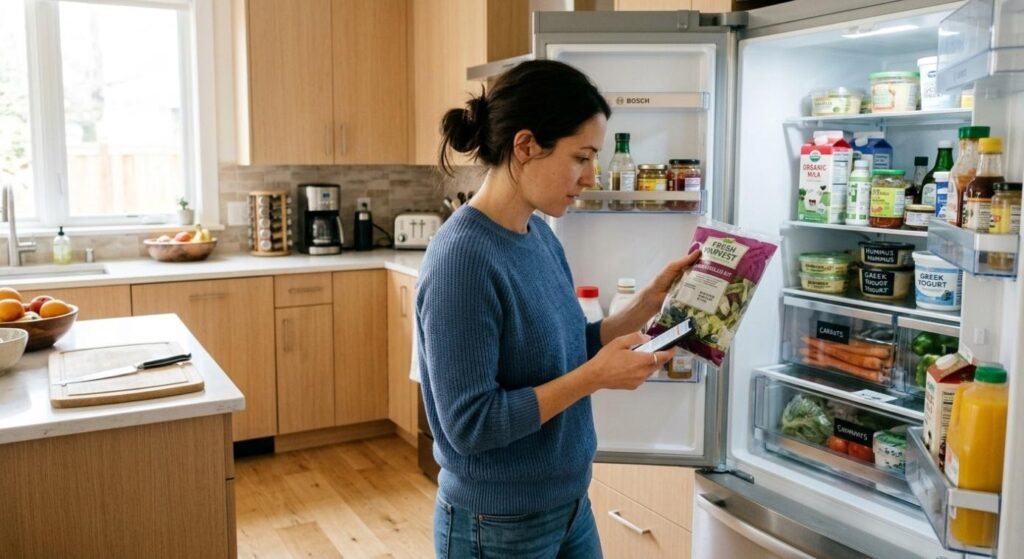
You’re scrolling your phone when a recall alert slides in. A packaged salad kit, maybe, or some smoked fish. You don’t buy that brand, you think, and move on. Then, an hour later, you’re hunting for something to eat and there’s a package that looks awfully familiar, tucked behind the milk.
Recalls are more common than most people assume. Regulators post them every week, for reasons that run from an allergen missing from the label to bacteria that can make people seriously ill. Not long ago, one grocery chain recalled a packaged salad kit over undeclared soy and almonds, and a smoked fish product was pulled over botulism concerns. Nobody standing at an open fridge could have spotted either problem by looking.
The catch is timing. By the time a notice goes public, the food is often already in your kitchen. The good news is that checking takes around ten minutes. Here is a simple routine to follow.
Step 1: Make sure the recall is real, and still current
Recall news spreads fast on social media, and details get mangled along the way. Before you start tearing apart the pantry, find the notice from an official source.
In the U.S., the Food and Drug Administration (FDA) covers most packaged foods, while meat, poultry, and many egg products belong to the USDA’s Food Safety and Inspection Service (FSIS). FoodSafety.gov gathers both in one place.
If you’d rather skim recent notices on a single page, Recall Times’ Food & Beverages page collects food recalls from official agencies and lists the reason for each one. Still, treat any tracker as a pointer rather than the last word, and read the agency’s own notice before you act on it.
Step 2: Match your product exactly
A recall almost never covers everything a brand sells. It usually targets particular items, so hold your package next to the notice and compare:
- Product name and package size
- Lot or batch code
- Best-by or use-by date
- UPC barcode
- Store brand (some store-label foods are made by another company entirely)
Look in the fridge, of course, but also in the freezer and the pantry. Frozen food is the one people forget, and freezing doesn’t make a contaminated product safe. Listeria, for example, survives freezing just fine.
If your code isn’t on the list, the recall most likely doesn’t apply to you. If you honestly can’t tell, treat the product as affected until you can confirm otherwise.
Step 3: Set it aside, but don’t just toss it
It’s tempting to give the food a sniff or take a tiny bite to “check.” Please don’t. Plenty of dangerous contaminants, including the bacterium behind botulism, can’t be reliably detected by smell, taste, or appearance. Cooking won’t rescue every situation either, and it does nothing at all for an allergen that was never declared.
So do this instead:
- Seal the product in a bag or container, and keep it away from pets.
- Photograph the package, lot code, and date before you do anything else.
- Read the notice for instructions. Some recalls say to throw the product away; others ask you to return it. Stores often give refunds on recalled items, sometimes without a receipt, though policies vary.
If the product leaked onto other food, count that food as contaminated too.
Step 4: Clean whatever it touched
Bacteria can travel around a kitchen without anyone noticing. Once the product is bagged up, wash your hands with soap and warm water. Then scrub the fridge shelf or drawer, the counter, cutting boards, and any containers it touched using hot, soapy water, and sanitize those surfaces afterward. Reusable items can go through the dishwasher.
This matters most when the recall involves Listeria, Salmonella, or E. coli. Listeria can keep growing at fridge temperatures, so a quick wipe isn’t enough. The CDC’s food safety guidance walks through cleaning steps, and it’s worth a read after any bacteria-related recall.
Step 5: Know the warning signs, and who should call a doctor
Say someone has already eaten the recalled food. Try not to panic. Most people exposed to a recalled product never get sick. But keep an eye out over the next few days, and in some cases the next few weeks.
Allergen recalls. If anyone at home is allergic to the ingredient that wasn’t on the label, watch for hives, swelling, vomiting, or trouble breathing. Trouble breathing or swelling in the face or throat is an emergency, so call 911.
Bacterial contamination. Fever, stomach cramps, vomiting, and diarrhea are the usual signs. With Listeria, symptoms can take days or even weeks to show up, which is why a recall alert is worth acting on even when everyone feels fine today.
Botulism. It’s rare, but it’s serious. Blurred or double vision, drooping eyelids, slurred speech, trouble swallowing, and muscle weakness are the warning signs, and they usually appear within a day or two of eating the food. Call emergency services right away. The CDC has more on botulism.
Some people should call a doctor early rather than waiting: pregnant women, adults over 65, newborns, and anyone with a weakened immune system. Their risk from foodborne illness, Listeria especially, is higher, so even a mild symptom deserves a phone call. In the U.S., Poison Control (1-800-222-1222) can also advise.
Two mistakes worth avoiding
The first is assuming a food is fine because you’ve eaten it before without trouble. A recalled batch can differ from the one you bought last month, and contamination isn’t always evenly spread through a package. One bite being fine tells you very little.
The second is trusting a “cook it and it’s safe” shortcut. Heat kills many bacteria, but it won’t remove an allergen, and some contaminated foods, such as ready-to-eat salads or smoked fish, are meant to be eaten without cooking at all. When a notice says not to eat a product, take it at its word and skip the workaround.
Build a few easy habits
You don’t have to read recall notices every morning. A handful of small habits does most of the work:
- Sign up for alerts. The FDA, FSIS, and several recall trackers offer free email notifications.
- Keep original packaging when you can. If you pour cereal into a jar or move deli meat to a container, write the brand, date, and lot code on the lid, or snap a quick photo.
- Date what you open. A marker and a strip of tape beat trying to remember.
- Do a fast scan when a recall hits the news. Two minutes in front of the fridge is usually enough.
- Tell the people you shop for. If you buy groceries for an older parent or a neighbor, forward them the notice, because they may never see it.
The short version
A recall notice isn’t something to panic over. It gives you a head start. Confirm it with an official source, match the exact product, set it aside, clean up, and watch for symptoms. That is about ten minutes of effort, and it can protect everyone in your home.
This article is for general education and is not a substitute for medical advice. If you are worried about symptoms, contact a healthcare professional.
Sources: FDA Recalls, Market Withdrawals & Safety Alerts; USDA FSIS Recalls; FoodSafety.gov; CDC Food Safety and Botulism pages.
Other Articles You May Find of Interest...
- Food Recall Checklist: 5 Steps to Take Before You Eat What’s in Your Fridge
- Specifying Fire Doors That Truly Work: How FD Ratings, Hardware, and Installation Fit Together
- Ignition Interlock Care: Best Practices to Prevent Device Issues
- Clear Umbrellas Guide: Visibility, Rain Safety, Styles, and Everyday Uses
- Common Swimming Pool Injuries and How Lifeguards Help Prevent Them
- Carbon Monoxide Poisoning: Symptoms Every Family Should Know
- Could Zombies Ever Exist in Reality? Exploring the Science Behind the Myth