Your Health Magazine Contributor
4201 Northview Drive
Suite 102
Bowie, MD 20716
More Child Health and Safety Articles
Sensory Regulation for Anxious Kids: A Pediatric Guide to Safe, Non-Toxic Fidget Tools
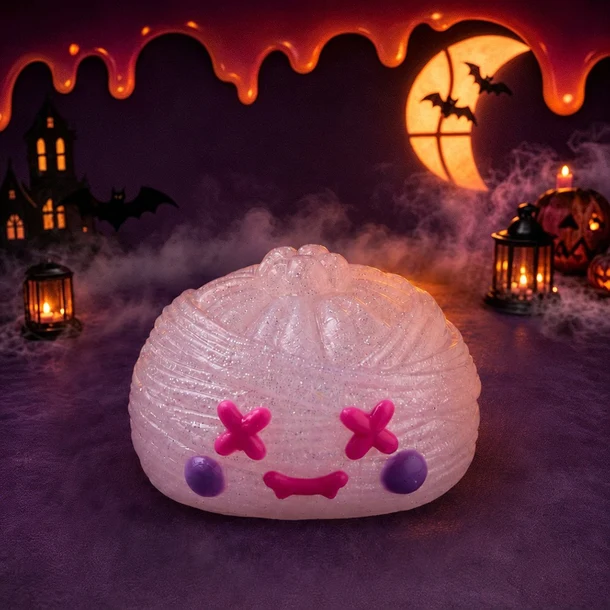
Many children feel worried, overwhelmed, or restless from time to time. A noisy classroom, a big test, a new school, or a busy family event can all feel like too much. Parents and teachers often look for simple, safe ways to help children calm down. Sensory tools, such as soft squeeze toys, are one of the most popular options.
Quick answer: Sensory regulation tools help anxious children by giving them a simple, physical way to calm their bodies. Slow squeeze-and-release movements can support deeper breathing and help a child feel more in control. The safest choices are made from non-toxic, food-grade silicone, are easy to clean, and are tested to recognized toy safety standards.
This guide explains sensory processing and childhood anxiety, how squeezing can support calm, why material safety matters, and how to keep sensory items clean.
Important: This article is for general information only. It does not replace advice from a pediatrician, psychologist, or occupational therapist. If your child’s anxiety affects daily life, please speak to a qualified professional.
Understanding Sensory Processing and Childhood Anxiety
Sensory processing is how the brain receives and responds to information from the senses: sight, sound, touch, taste, smell, and body movement. Every child processes sensory input a little differently.
When the senses feel “too much”
Some children are very sensitive to noise, bright lights, crowds, or certain textures. When there is too much input at once, they may feel overwhelmed. This can show up as:
- Covering ears or eyes
- Becoming upset or tearful
- Wanting to leave the room
- Fidgeting or moving a lot
- Becoming very quiet or withdrawn
How anxiety and sensory overload connect
Anxiety and sensory overload often feed each other. A child who feels anxious may notice noise and movement more strongly. A child who feels overloaded by noise may start to feel anxious. Helping the body calm down can help break this cycle.
What is sensory regulation?
Sensory regulation means helping the body return to a calm, “just right” state. Occupational therapists often use simple tools and activities to support this, such as deep pressure, rhythmic movement, and calming textures.
| Signs a child may need a calm break | Helpful sensory strategies |
|---|---|
| Restless hands and fidgeting | Quiet squeeze toy |
| Covering ears | Quiet corner, ear defenders |
| Fast breathing | Slow breathing with squeeze and release |
| Trouble sitting still | Short movement break |
| Tears or frustration | Calm down space with comfort items |
How Rhythmic Squeeze-and-Release Calms the Fight-or-Flight Response
When a child feels scared or stressed, the body can go into fight-or-flight mode. The heart beats faster, breathing gets quicker, and muscles tense up. This is a natural response, but it can make it hard for a child to think clearly or settle down.
Why rhythm helps
Slow, steady, repeated movements can help the body shift toward a calmer state. When a child squeezes a soft object slowly and then lets go, it naturally encourages a slower rhythm. Pairing this with breathing makes it even more helpful.
The “squeeze and breathe” exercise
- Hold the toy in both hands.
- Breathe in slowly through the nose while squeezing gently for a count of four.
- Breathe out slowly through the mouth while releasing for a count of four.
- Watch the toy rise back to its shape.
- Repeat five times, or until the child feels calmer.
Where it can help
- In the classroom before a test
- In a waiting room
- At bedtime when worries feel big
- During long car journeys
- After a busy school day
Quiet tools are especially important in classrooms, where noisy fidgets can distract other students. Slow-rise silicone squishy dumplings are a good example of a silent sensory tool. They make no clicking or popping sounds, they fit in a small hand, and their slow rebound gives children something calm to watch while they breathe. Many families keep one in a school bag and another in a calm-down corner at home.
Material Safety Matters: Comparing Food-Grade Silicone, TPR & PU Foam
Children often touch their faces, chew things, or put toys near their mouths, especially when they feel anxious. That is why the material of a sensory toy matters so much.
Common squeeze toy materials
| Material | What it is | Things to consider |
|---|---|---|
| PU foam | Soft polyurethane foam | Can tear, collect dirt, and may smell strongly when new |
| TPR | Thermoplastic rubber | Stretchy but can feel sticky and break apart |
| Food-grade silicone | Silicone suitable for contact with food | Soft, durable, easy to clean, no strong smell |
Know the safety standards
In the United States, children’s toys are covered by the CPSIA (Consumer Product Safety Improvement Act), which sets limits on lead and certain chemicals in children’s products. Many toys are also tested to ASTM F963, the standard consumer safety specification for toy safety. In the UK and EU, toys carry UKCA or CE marking to show they meet local safety rules.
How parents can check a toy
- Look for clear material information. Good brands state what the toy is made from.
- Ask about testing. Trusted brands are open about safety testing.
- Check for a strong smell. A chemical smell can be a warning sign.
- Avoid very cheap copies. Fake versions of popular toys may use unknown materials.
- Follow age labels and avoid small parts for young children.
For a clear, parent-friendly checklist on what to look for, this guide on how to identify non toxic squishy toys explains how to spot fake or unsafe squishies before you buy. It is a helpful resource for any family choosing sensory tools for a child.
Hygiene & Care: Keeping Children’s Sensory Items Clean
Sensory toys are handled a lot, taken to school, and sometimes dropped on the floor. Keeping them clean is important for health and for making the toy last longer.
Simple cleaning routine
- Weekly: Wash with warm water and mild soap. Rinse well and let air dry.
- After illness: Clean the toy right away to reduce the spread of germs.
- After outdoor use: Wipe off dust and dirt before bringing it back inside.
Tips for silicone toys
- Silicone can attract dust over time. A quick wash restores its smooth feel.
- If it feels sticky, a light dusting of cornstarch helps.
- Keep it in a small pouch or case when not in use.
Things to avoid
- Harsh chemicals or bleach
- Very hot water or the dishwasher, unless the brand says it is safe
- Sharp objects that could tear the surface
Key Takeaways
- Sensory overload and anxiety often feed each other, and calming the body can help.
- Slow squeeze-and-release movements paired with breathing can support a calmer state.
- Quiet tools are best for classrooms and shared spaces.
- Different materials have different properties, so parents should check for clear material information and applicable toy safety testing.
- Regular, gentle cleaning keeps sensory tools hygienic and long-lasting.
Frequently Asked Questions
Do fidget toys help children with anxiety?
Many children find that fidget and squeeze toys help them feel calmer, especially when used with slow breathing. They are a support tool, not a treatment.
What is the safest material for squishy toys?
Food-grade silicone is a popular choice because it is soft, durable, easy to clean, and does not have a strong chemical smell.
What does CPSIA mean on a toy?
CPSIA is a US law that sets safety limits for lead and certain chemicals in children’s products. Toys sold for children in the US must meet its rules.
How often should I clean my child’s sensory toy?
A gentle wash once a week is a good routine, plus extra cleaning after illness or outdoor use.
Final Thoughts
Every child feels anxious sometimes. Simple sensory tools, used with care, can give children a quiet and comforting way to calm down. By choosing safe, non-toxic materials and keeping toys clean, parents can support their child’s wellbeing with confidence.
Other Articles You May Find of Interest...
- What to Look for in Non-Toxic Toys for Toddlers
- Sensory Regulation for Anxious Kids: A Pediatric Guide to Safe, Non-Toxic Fidget Tools
- Is My Child’s Sleep Normal? When to Talk to Your Pediatrician
- How Play-Based Learning Can Support Skill Development in Children With Autism
- 6 Ways Personalized ABA Therapy Can Support Developmental Skills
- How Teachers Can Use Sound Buttons to Practice Medial Sounds With Early Readers
- Why Every Early Learning Classroom Needs a Sand and Water Table