Your Health Magazine Contributor
4201 Northview Drive
Suite 102
Bowie, MD 20716
More Home Care & Wellness Products Articles
Green Panels: A Smarter Approach to Sustainable and Modern Home Furnishing
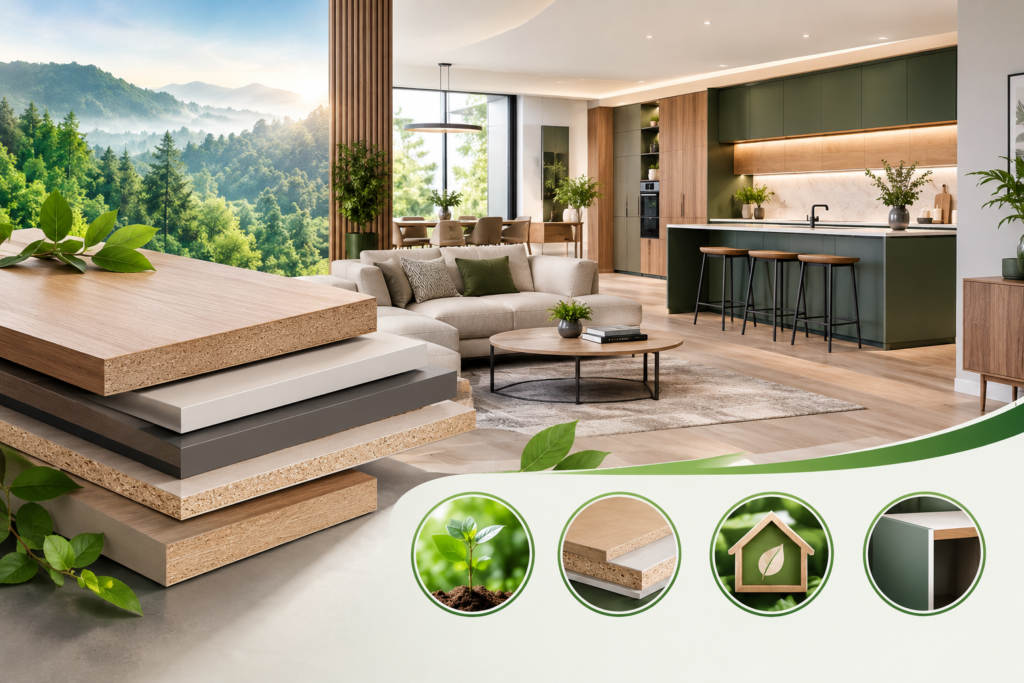
Sustainability has become an important consideration in modern interior design and furniture manufacturing. Homeowners, architects, and property developers are increasingly looking for materials that combine durability, attractive design, and environmental responsibility. As awareness of indoor air quality and sustainable construction continues to grow, furniture manufacturers are exploring innovative materials that support healthier and more comfortable living environments.
For example, OPPEIN offers a Green Panels concept that highlights material quality, environmental performance, and long-term functionality when designing contemporary interiors.
Understanding the role of green panels can help homeowners and industry professionals make better decisions when selecting materials for kitchens, wardrobes, cabinets, and other interior furnishing applications.
What Are Green Panels?
Green Panels, such as those offered by OPPEIN, represent an environmentally conscious approach to panel materials used in customized home furnishings. The concept emphasizes the importance of selecting suitable engineered wood products while considering factors such as material performance, emissions, durability, and manufacturing quality.
Panels are essential components of many furniture products, particularly kitchen cabinets, wardrobes, storage units, and integrated home furnishing systems.
Unlike solid wood furniture, which relies primarily on natural timber, engineered panels are manufactured by combining wood-based materials through specialized production processes. Their characteristics depend on the raw materials, adhesives, manufacturing methods, and finishing technologies used.
When evaluating green panels, buyers should examine relevant environmental certifications, formaldehyde emission classifications, and product-specific technical documentation rather than relying exclusively on sustainability-related marketing claims.
Why Green Panels Matter in Modern Interior Design
Furniture materials influence more than the appearance of a home. They also affect product durability, maintenance requirements, and indoor environmental conditions.
As modern households increasingly adopt customized furniture solutions, the selection of appropriate panel materials becomes especially important.
1. Supporting Better Indoor Air Quality
Indoor air quality is a significant consideration when choosing cabinets, wardrobes, and other wood-based furniture.
Certain engineered wood products may release formaldehyde and other volatile organic compounds, depending on their composition and manufacturing process.
Selecting panels with independently verified low-emission performance can help reduce potential sources of indoor pollutants.
Consumers should request applicable test reports and confirm that the stated emission classification corresponds to the actual product being purchased.
2. Encouraging Responsible Material Selection
Sustainable furniture manufacturing involves evaluating raw material sourcing, production efficiency, product lifespan, and waste management.
Wood-based panels can make efficient use of timber resources, although their overall environmental impact depends on the sourcing and manufacturing processes involved.
Choosing appropriately documented materials helps buyers make more informed decisions about their furniture purchases.
3. Combining Functionality With Modern Design
Environmental considerations do not have to limit interior design possibilities.
Modern furniture panels are available in various colors, textures, decorative finishes, and surface treatments.
These options allow designers to create attractive kitchens, wardrobes, and storage systems while considering material performance and environmental requirements.
Applications of Green Panels in Home Furnishing
Panel materials play an essential role in customized furniture manufacturing. Their versatility makes them suitable for numerous residential interior applications.
Kitchen Cabinets
Kitchen cabinetry requires materials that balance appearance, structural stability, and everyday functionality.
Cabinet panels are used to manufacture cabinet bodies, doors, shelves, and storage compartments.
When choosing panels for kitchen applications, homeowners should consider moisture resistance, surface durability, cleaning requirements, and emission performance.
Proper installation and suitable edge sealing are also important for maintaining cabinetry quality over time.
Wardrobes and Bedroom Storage
Wardrobes are frequently installed in bedrooms and dressing areas, making material selection an important part of interior planning.
Low-emission panels can be considered for wardrobe bodies, shelving systems, drawers, and customized storage compartments.
A coordinated combination of suitable materials, attractive finishes, and practical accessories can help create comfortable and organized bedroom environments.
Living Room Furniture
Green panel concepts can also be incorporated into television cabinets, bookshelves, display units, and integrated living room storage systems.
Customized panel furniture allows homeowners to maximize available space while maintaining visual consistency throughout their interiors.
Complete Home Customization
Modern homeowners increasingly prefer coordinated interior furnishing solutions rather than purchasing unrelated furniture pieces.
Using compatible panel materials across multiple rooms can help maintain consistent finishes, colors, and design themes.
This approach is particularly useful for apartments, villas, residential developments, and other projects requiring integrated interior planning.
How Green Panels Reflect Changing Industry Priorities
Environmental performance has become an increasingly relevant consideration for furniture manufacturers worldwide.
Established Chinese furniture manufacturers are responding to evolving consumer expectations by exploring material innovation, manufacturing efficiency, and more comprehensive quality management practices.
The Green Panels concept reflects the broader importance of evaluating furniture materials beyond appearance and initial purchase price.
Several considerations are particularly relevant to this development.
Material Transparency: Clear information about panel composition and technical specifications helps customers compare available options.
Emission Performance: Verified testing provides useful information about formaldehyde and other relevant emissions.
Manufacturing Quality: Consistent production processes contribute to reliable panel dimensions, finishing quality, and furniture assembly.
Product Longevity: Durable furniture can remain functional for longer periods, potentially reducing the frequency of replacement.
These considerations demonstrate why responsible material selection is becoming an important part of contemporary furniture manufacturing.
Important Factors to Consider When Choosing Green Panels
Although environmentally conscious furniture materials offer potential advantages, buyers should carefully evaluate product specifications before making purchasing decisions.
Verify Environmental Certifications
Environmental claims should be supported by relevant documentation.
Depending on the product and destination market, buyers may encounter formaldehyde emission classifications or standards such as EN 717-1, EN 16516, CARB Phase 2, and TSCA Title VI.
These standards and regulations have different scopes and testing requirements, so they should not automatically be treated as interchangeable.
Buyers should confirm which standards apply to their intended application.
Examine Material Durability
Environmental performance is only one aspect of furniture quality.
Panels should also provide suitable strength, dimensional stability, surface resistance, and durability for their intended use.
Kitchen cabinets, bathroom furniture, and bedroom wardrobes may require different material specifications because they operate under different environmental conditions.
Consider Surface Finishes and Adhesives
The overall environmental performance of finished furniture depends on more than the core panel.
Surface coatings, decorative laminates, adhesives, edge-banding materials, and other components can influence the characteristics of the completed product.
Reviewing the entire furniture construction provides a more comprehensive understanding of material suitability.
The Role of Green Panels in Sustainable Home Design
Sustainable interior design requires a balanced approach that considers material selection, manufacturing processes, product durability, and long-term maintenance.
Green panel solutions can contribute to this approach when their environmental characteristics are properly verified.
However, no single material automatically makes an entire home environmentally sustainable.
Homeowners and designers should also consider energy-efficient lighting, appropriate ventilation, responsible purchasing practices, and furniture designs that remain functional over time.
Combining these considerations can support more thoughtful residential environments.
Future Opportunities for Environmentally Conscious Furniture Materials
As consumers become more informed about indoor environments and material sourcing, demand for transparent product information is likely to remain important.
Furniture manufacturers have opportunities to improve production processes, explore alternative materials, strengthen quality verification, and develop products that balance performance with environmental considerations.
Digital manufacturing and customized furniture design can also support more accurate material planning and efficient production.
For homeowners and property developers, these developments provide additional opportunities to evaluate furnishing solutions according to their practical, aesthetic, and environmental priorities.
Conclusion
Green panels highlight the growing importance of responsible material selection in contemporary home furnishing. By focusing on panel quality, emission performance, durability, and suitable applications, homeowners can make more informed decisions when planning kitchens, wardrobes, and integrated storage systems.
Choosing environmentally conscious furniture materials requires careful consideration of certifications, manufacturing specifications, and intended usage conditions.
As the furniture industry continues to evolve, greater attention to material transparency and long-term performance can help create attractive, functional, and thoughtfully designed living spaces.
Other Articles You May Find of Interest...
- Indoor Air Quality Has Quietly Become a Household Priority
- Green Panels: A Smarter Approach to Sustainable and Modern Home Furnishing
- A Healthier Home Starts With What You Don’t Keep Inside It
- Why Is a Sudden Cold Snap Causing Unexplained Mystery Bites and Skin Crawling Sensations in Your Home?
- How Hot Is Too Hot? The Water Temperature Mistake Families Often Overlook
- Sauna Hats and Heat Comfort: What They Can and Cannot Do for Your Head and Hair
- Why Building Material Specifications Matter for a Safer, Healthier Home