Your Health Magazine Contributor
4201 Northview Drive
Suite 102
Bowie, MD 20716
More Public Health Articles
How Education and Professional Development Are Shaping the Future of Public Health Leadership
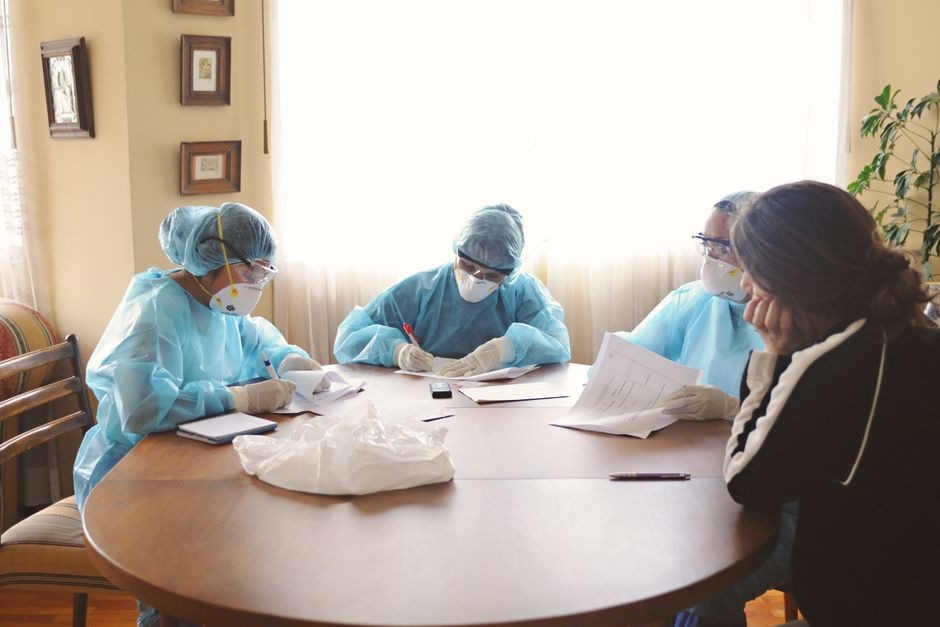
Health systems today face pressures that look very different from those of a generation ago. Communities expect faster responses to outbreaks, clearer communication during emergencies, and fair access to care no matter where people live or how much they earn. The people who guide these efforts need more than good intentions and field experience.
They need a firm grasp of planning, budgeting, policy, and teamwork, and they need to keep building those skills as conditions change. Education and ongoing professional growth have become the tools that turn capable health workers into leaders who can carry whole communities through difficult times.
Building the Skills to Lead Community Health Programs
Many health professionals begin their careers in hands-on roles such as nursing, outreach, or lab work, and they learn a great deal about people and illness along the way. A master’s level education often becomes the missing piece once they move toward leadership, because clinical skill alone does not teach them how to manage budgets, shape policy, or guide large teams.
Graduate study focused on running government and community programs fills that gap by pairing big-picture thinking with practical management. Enrolling in an online Master of Public Administration gives working professionals courses in policy analysis, budgeting, community planning, and leading nonprofit organizations, all while they keep their current jobs.
That balance lets them apply new ideas at work the very next day, which makes the learning feel immediate and useful.
Why Leadership Matters in Community Health
Strong leadership shapes how well a community stays healthy. When a health department has clear direction, staff know their roles, resources reach the right places, and residents trust the guidance they receive. When leadership is weak, even well-funded programs can stall, overlap, or miss the people who need them most.
Good health leaders also act as bridges. They connect doctors, local officials, schools, charities, and families, helping each group understand the others. This work calls for patience, honesty, and a steady focus on shared goals.
Leadership also matters during quiet periods, not only during crises. The daily work of planning vaccination drives, improving clean water access, and tracking local health trends lays the groundwork for a calm and organized response when an emergency arrives.
The Changing Demands on Health Leaders
The role of a health leader keeps growing. Leaders once focused mainly on disease control and basic services. Today, they must also think about housing, transport, food access, mental wellbeing, and the many social conditions that affect how long and how well people live.
Technology has added another layer. Health data now moves quickly, and leaders must know how to read it, protect it, and use it to guide decisions.
Leaders also face closer attention from the communities they serve. Residents want to know how money is spent and why certain choices are made. This calls for open communication, careful record-keeping, and a willingness to explain decisions in plain terms.
How Continuous Learning Keeps Leaders Prepared
Formal study is only the beginning. Effective health leaders treat learning as a habit that continues throughout their careers. Workshops, short courses, conferences, and reading all help them stay current as new challenges appear.
Continuous learning also protects leaders from relying on outdated methods. An approach that worked well a decade ago may no longer fit a community that has grown, changed, or faced new health threats. Leaders who keep learning can spot these shifts early and adjust their plans before small problems become large ones.
Many organizations now support this growth directly. They offer time for training, cover course costs, or create mentoring programs that pair newer staff with experienced leaders. These efforts help build a steady pipeline of people ready to step into senior roles when the time comes.
The Role of Mentorship and Peer Networks
Not every lesson comes from a classroom. Mentors offer guidance that only years of real experience can provide. They help newer leaders handle difficult conversations and avoid common mistakes.
Peer networks serve a similar purpose. When health leaders from different regions share their experiences, they learn from each other’s successes and setbacks. A strategy that worked in one town may offer fresh ideas for another facing a similar problem.
Ethics and Equity at the Heart of Health Leadership
Health leaders make choices that affect real lives, so strong ethics must guide every decision. Leaders often have to divide limited resources among many needs, and they must do so in ways that are fair and easy to defend. Honest, careful decision-making helps maintain the trust that community health depends on.
Equity has also become a central concern. Some neighborhoods face higher rates of illness, fewer clinics, and greater barriers to care. Thoughtful leaders look closely at these gaps and work to close them. They listen to residents, involve community groups in planning, and design programs that reach people who have often been overlooked.
Education helps leaders understand the deeper causes of these gaps. With that understanding, they can move past quick fixes and build lasting solutions that improve health across the whole community.
Preparing the Next Generation of Health Leaders
The future of community health depends on the leaders being trained today. Young professionals entering the field bring fresh energy and new ideas, but they also need guidance, skills, and real chances to grow. Organizations that invest in their development help secure strong leadership for years to come.
This preparation starts early. Students and new workers benefit from exposure to planning meetings, budget discussions, and community outreach.
Flexible learning options have made this growth far more accessible. Working adults can now study without leaving their jobs or moving away from their families. This opens leadership paths to people from many backgrounds, including those who live in rural areas or care for loved ones at home. A wider range of voices in leadership leads to programs that better reflect the communities they serve.
Other Articles You May Find of Interest...
- How Does Living Near Natural Habitats Increase Your Risk Of Wildlife Intrusions?
- Ants in the Kitchen Again? What Their Return Means for Food Safety
- How Education and Professional Development Are Shaping the Future of Public Health Leadership
- What to Know About Healthcare Access When Moving to Chicago
- Why Medical Monitoring Matters After a Major Disaster
- What Public Health Work Actually Involves: Beyond the Headlines
- Why Student Wellness Is Becoming a Public Health Priority
Featured Doctors and Practices