Your Health Magazine Contributor
4201 Northview Drive
Suite 102
Bowie, MD 20716
More Weight Control, Nutrition & Exercise Articles
Best High-Fiber Foods Chart for Better Digestive Health
Ever feel like your digestive system is moving a little slower than it should? Fiber could be one of the missing pieces on your plate. For Americans trying to improve digestive health, manage appetite, or simply build a more nutritious eating pattern, choosing fiber-rich foods can make a meaningful difference.
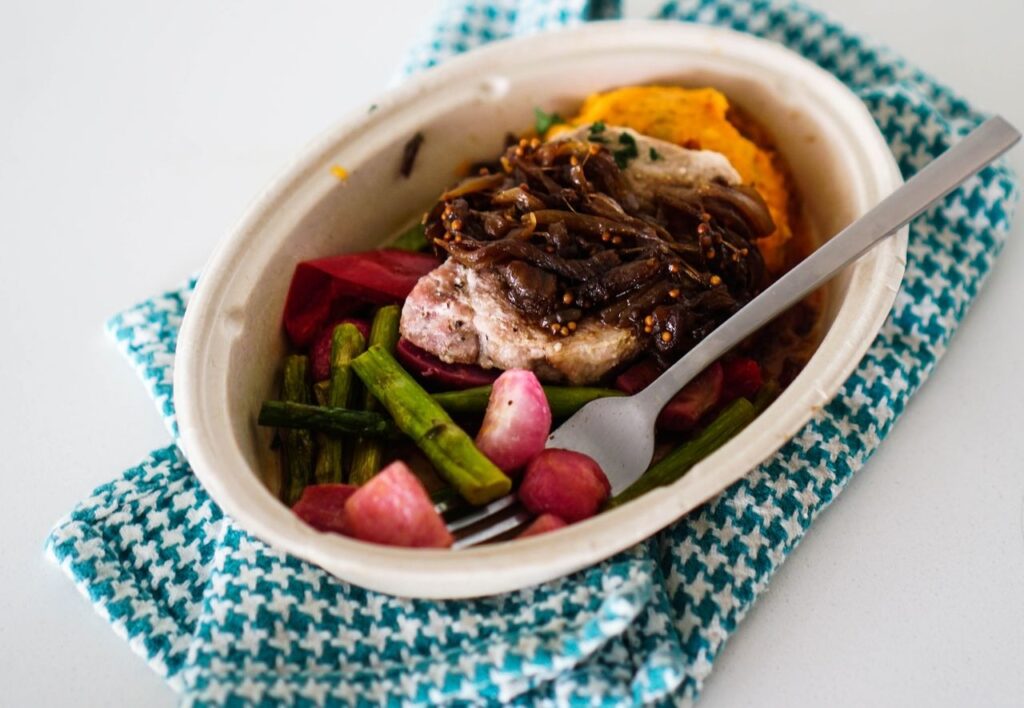
A high-fiber foods chart for constipation can be particularly useful because it turns an abstract nutrition goal into practical food choices. People comparing meal services, including factor vs mighty meals, may also want to compare fiber content, serving size, and overall nutrition alongside convenience and price. The bigger everyday question is often much simpler: Are you getting enough fiber from whole foods?
This Best High-Fiber Foods Chart breaks down some of the most useful fiber-rich foods, their approximate fiber content, and easy ways to add them to American meals.
Why Fiber Matters More Than You Think
Dietary fiber is a type of carbohydrate that the body does not completely digest. Instead of being broken down and absorbed like simple carbohydrates, fiber travels through the digestive tract and can influence bowel regularity, satiety, blood glucose response, and overall dietary quality.
The FDA currently uses 28 grams of dietary fiber per day as the Daily Value based on a 2,000-calorie diet. However, individual needs can vary according to calorie intake, age, sex, and overall dietary pattern.
Fiber is also important because many Americans struggle to consume enough of it. One analysis cited by the FDA found that only about 7.4% of adults met the adequate intake for fiber, highlighting how common low-fiber eating patterns remain in the United States.
In other words, adding a little more fiber to breakfast, lunch, and dinner can be a practical nutritional upgrade.
Best High-Fiber Foods Chart
The following chart provides approximate fiber amounts. Actual values can vary depending on food variety, preparation method, serving size, and brand.
| Food | Typical Serving | Approx. Fiber |
| Chia seeds | 2 tablespoons | ~10 g |
| Lentils, cooked | 1 cup | ~15–16 g |
| Split peas, cooked | 1 cup | ~16 g |
| Black beans, cooked | 1 cup | ~15 g |
| Raspberries | 1 cup | ~8 g |
| Blackberries | 1 cup | ~7–8 g |
| Pear with skin | 1 medium | ~5–6 g |
| Apple with skin | 1 medium | ~4–5 g |
| Avocado | 1 medium | ~9–10 g |
| Green peas, cooked | 1 cup | ~8–9 g |
| Artichoke, cooked | 1 medium | ~6–7 g |
| Oatmeal, cooked | 1 cup | ~4 g |
| Barley, cooked | 1 cup | ~6 g |
| Whole-wheat pasta, cooked | 1 cup | ~6 g |
| Almonds | 1 oz | ~3–4 g |
| Ground flaxseed | 2 tablespoons | ~4 g |
Important: These figures are useful estimates rather than medical prescriptions. For packaged foods, check the Nutrition Facts label because fiber levels can differ considerably between products.
The FDA considers 20% or more of the Daily Value per serving to be a high amount of a nutrient, while 5% or less is considered low.
1. Legumes: Some of the Biggest Fiber Winners
If you’re looking for foods that provide substantial fiber without requiring complicated recipes, beans, lentils, and peas deserve a place near the top of your shopping list.
A cup of cooked lentils can provide roughly 15 grams of fiber. Black beans and split peas are also particularly concentrated sources.
Moreover, legumes provide protein, minerals, and complex carbohydrates, making them useful for people who want meals that are filling as well as nutritious.
Easy Ways to Eat More Legumes
Try adding:
- Black beans to tacos or burrito bowls
- Lentils to soups and stews
- Chickpeas to salads
- White beans to vegetable soups
- Split peas to homemade soups
- Hummus to sandwiches or vegetable plates
The USDA’s MyPlate guidance includes beans, peas, and lentils within both the Vegetable Group and Protein Foods Group, illustrating how nutritionally versatile these foods can be.
2. Fruits That Naturally Boost Fiber
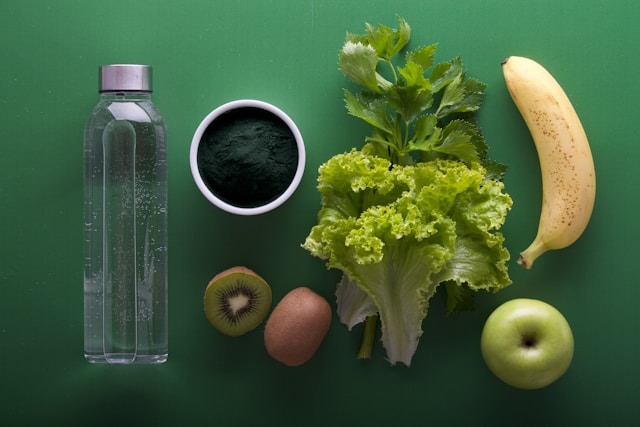
Fruit is another simple way to increase fiber without relying on supplements.
However, there is an important distinction: whole fruit is generally a better fiber source than fruit juice because much of the food’s natural structure remains intact.
High-Fiber Fruit Choices
Some excellent options include:
- Raspberries
- Blackberries
- Pears with the skin
- Apples with the skin
- Avocado
- Oranges
- Kiwi
For example, instead of drinking a glass of apple juice at breakfast, try eating a whole apple alongside oatmeal or Greek yogurt.
That small substitution can increase fiber while also making the meal more substantial.
3. Seeds and Nuts: Small Foods, Big Nutritional Impact
Chia seeds and flaxseed have become increasingly popular in American kitchens because they are easy to incorporate into everyday meals.
Two tablespoons of chia seeds can provide around 10 grams of fiber, while ground flaxseed contributes several grams per serving.
Try This Breakfast Combination
For a simple high-fiber breakfast, combine:
- ½ cup oatmeal
- 1 tablespoon chia seeds
- 1 tablespoon ground flaxseed
- ½ cup raspberries
- Plain Greek yogurt
- Cinnamon
This approach demonstrates an important nutrition principle: you don’t need one magical superfood to reach your fiber target.
Instead, several moderate contributions can add up throughout the day.
4. Whole Grains Can Make a Difference
White bread, refined pasta, and many highly processed grain products typically contain less fiber than their whole-grain counterparts.
Switching to whole-wheat bread, oatmeal, barley, bulgur, quinoa, and whole-grain pasta can therefore be an easy upgrade.
The goal isn’t necessarily to eliminate refined grains. Rather, consider replacing some refined-grain choices with whole grains when practical.
For example:
Instead of: white toast + sugary cereal
Try: whole-grain toast + oatmeal + berries
Instead of: refined pasta
Try: whole-wheat pasta with vegetables and beans
These small changes can increase fiber without requiring a complete dietary overhaul.
Fiber and Digestive Health: What Actually Happens?
Fiber works in different ways depending on its type.
Soluble fiber absorbs water and can form a gel-like substance during digestion. It is found in foods such as oats, beans, apples, and certain seeds.
Insoluble fiber adds bulk to stool and can help support normal movement through the digestive tract. Whole grains, vegetables, nuts, and seeds are common sources.
Many plant foods contain both types.
This is why a varied diet is generally more useful than focusing on a single fiber source.
What About Constipation?
Increasing fiber intake can help some people maintain more regular bowel movements. However, adding a large amount of fiber suddenly may cause bloating, gas, or abdominal discomfort.
A better strategy is gradual.
Increase fiber slowly and drink adequate fluids. This gives your digestive system time to adjust.
Persistent constipation, severe abdominal pain, blood in the stool, unexplained weight loss, or a sudden change in bowel habits should be discussed with a qualified healthcare professional rather than treated solely through diet.
A Simple 28-Gram Fiber Day
The FDA’s Daily Value is 28 grams per day, so here’s one practical example of how an American meal pattern could approach that number.
| Meal | Example | Approx. Fiber |
| Breakfast | Oatmeal + chia + berries | ~10–12 g |
| Lunch | Turkey sandwich on whole-grain bread + vegetables | ~5–7 g |
| Snack | Apple with skin + almonds | ~7–8 g |
| Dinner | Chicken, brown rice, and roasted vegetables | ~5–7 g |
| Total | Balanced day | ~27–34 g |
The numbers are estimates, but the example demonstrates something important: fiber doesn’t have to come from one enormous serving of beans or a supplement.
It can be distributed across the entire day.
How to Increase Fiber Without Feeling Bloated
If your current diet is relatively low in fiber, avoid going from 10 grams to 30 grams overnight.
Instead, consider this gradual approach:
Week 1: Upgrade Breakfast
Add berries, oatmeal, chia seeds, or ground flaxseed.
Week 2: Improve Lunch
Choose whole-grain bread and add vegetables, beans, or lentils.
Week 3: Upgrade Snacks
Replace highly processed snacks with fruit, nuts, seeds, or vegetables with hummus.
Week 4: Build Fiber Into Dinner
Add beans, lentils, whole grains, or an extra serving of vegetables.
In short, consistency beats intensity.
A sustainable eating pattern is more useful than dramatically changing your diet for a few days.
What the Latest Nutrition Guidance Suggests
Current U.S. nutrition labeling makes it easier for consumers to identify fiber-rich foods. The FDA’s Nutrition Facts framework lists 28 grams as the Daily Value, while the %DV can be used to compare products quickly.
The USDA also emphasizes variety across vegetables, including dark-green vegetables, red and orange vegetables, beans, peas, lentils, starchy vegetables, and other vegetables.
This reinforces a useful principle: fiber quality matters alongside quantity.
A diet providing fiber from legumes, fruits, vegetables, whole grains, nuts, and seeds is generally more nutritionally diverse than one built around a single fiber-fortified product.
A Practical Fiber Shopping List
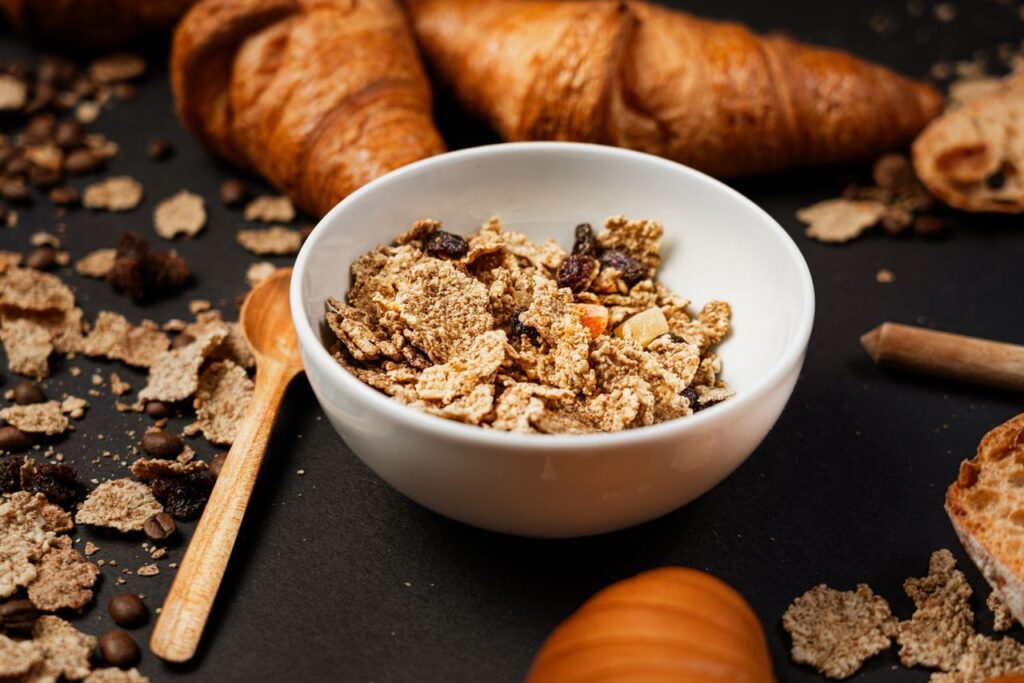
For an easy supermarket strategy, keep these foods on your regular shopping list:
Produce
- Raspberries
- Blackberries
- Apples
- Pears
- Avocados
- Broccoli
- Brussels sprouts
- Carrots
- Sweet potatoes
Pantry
- Lentils
- Black beans
- Chickpeas
- Oatmeal
- Barley
- Whole-grain pasta
- Chia seeds
- Ground flaxseed
- Almonds
The USDA’s MyPlate resources also recommend variety across vegetables and recognize beans, peas, and lentils as important nutrient-dense choices.
For additional evidence-based nutrition guidance, readers can consult the U.S. Food and Drug Administration’s Nutrition Facts Label guide.
Why a Food Chart Can Be More Useful Than a Supplement
Fiber supplements have their place, but food-first nutrition offers additional advantages.
Whole plant foods can provide fiber alongside vitamins, minerals, antioxidants, protein, healthy fats, and other naturally occurring compounds.
For someone who rarely eats fruits, vegetables, legumes, or whole grains, simply adding a fiber supplement may not address the broader nutritional gap.
A food chart makes the goal tangible.
Instead of thinking, “I need more fiber,” you can think:
“I’ll add berries to breakfast, beans to lunch, and vegetables to dinner.”
That is a much easier habit to maintain.
Conclusion: Make Fiber a Daily Habit
The best High-Fiber Foods Chart isn’t necessarily the one with the most exotic foods. It is the one that helps you make realistic choices every day.
Legumes, berries, apples, pears, avocados, whole grains, vegetables, nuts, and seeds can all contribute meaningful amounts of fiber.
For most people, the smartest approach is gradual: eat more plants, choose whole grains more often, increase fiber steadily, and stay hydrated.
Nutrition doesn’t have to be complicated. A few thoughtful substitutions at breakfast, lunch, and dinner can move your daily intake considerably closer to the recommended target.
For more practical health, wellness, and nutrition guidance, Mindliva serves as a health and wellness magazine for readers across the United States, helping make evidence-informed wellness topics easier to understand and apply.
FAQs
1. What is the best high-fiber food?
Lentils, split peas, beans, chia seeds, berries, and certain vegetables are among the strongest whole-food sources of dietary fiber.
2. How much fiber should I eat each day?
The FDA’s Daily Value is 28 grams per day based on a 2,000-calorie diet, although individual needs can differ.
3. Can high-fiber foods help with constipation?
Increasing dietary fiber may support regular bowel movements, but it should generally be increased gradually along with adequate fluid intake.
4. Which fruit has the most fiber?
Raspberries and blackberries are particularly fiber-rich choices, while pears and apples with their skins are also useful everyday options.
5. Is it better to get fiber from food or supplements?
For most people, whole foods are an excellent starting point because they provide fiber alongside many other nutrients and beneficial plant compounds.
Other Articles You May Find of Interest...
- Best High-Fiber Foods Chart for Better Digestive Health
- How Many Carbs Are in Turkey Bacon?
- 9 Healthiest Mushrooms to Eat
- Post-Workout Protein: What the Research Says, and Why Gyms Add Self-Serve Shakes
- Understanding Prescription Weight-Management Treatments and Patient Safety
- How to Choose a Workout Split Based on Your Schedule, Experience, and Recovery
- Do Avocados Contain Vitamin C?