More Women's Health & Beauty Articles
Are Blood Clots Normal During Your Period?
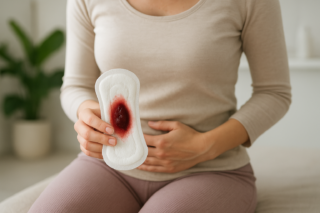
By Your Health Magazine Health Information Team
Yes, small blood clots can be normal during a period, especially on heavier-flow days. However, clots about the size of a quarter or larger, frequent clots, or clots accompanied by unusually heavy bleeding, severe pain, dizziness, or weakness should be discussed with a healthcare professional.
Why Period Blood Clots Form
During menstruation, the uterus sheds its lining, releasing blood, tissue, and mucus. The body produces substances that help keep this material fluid so it can leave the uterus. When bleeding is rapid or blood remains in the uterus briefly before passing, some of it can thicken and form a jelly-like clot.
Small clots are therefore most likely to appear during the first few days of a period, when flow is often heaviest. They may be bright red, dark red, or maroon. Passing a clot after getting out of bed or standing after sitting for a while can also occur because blood may have collected before leaving the body.
Menstrual clots are not the same as dangerous clots that form inside a leg vein or travel to the lungs. Period clots are shed through the vagina as part of uterine bleeding.
How Big Can a Blood Clot During a Period Be?
Size, frequency, and the amount of bleeding around the clot all matter. A single clot does not provide enough information to identify a medical problem.
| What you notice | What it may mean |
|---|---|
| Occasional clot smaller than a quarter | Often occurs with normal menstrual flow, particularly on a heavy day |
| Clot about the size of a quarter or larger | May be a sign of heavy menstrual bleeding, especially if it happens repeatedly |
| Several large clots during each period | Warrants a medical evaluation for the cause of heavy bleeding |
| Large clots with hourly pad or tampon changes, weakness, or shortness of breath | Requires prompt medical attention |
A quarter is approximately one inch, or 2.5 centimeters, across. The CDC’s signs of heavy menstrual bleeding include passing clots the size of a quarter or larger, soaking through a pad or tampon every hour for several hours, or bleeding for more than seven days.
Signs That Clots May Be Part of Heavy Bleeding
A large blood clot during a period is more concerning when it occurs with other changes. Contact a healthcare professional if you:
- Pass quarter-sized or larger clots repeatedly.
- Need to change a pad or tampon in less than two hours.
- Soak through one or more pads or tampons each hour for several hours.
- Need to use two menstrual products at once or change protection overnight.
- Bleed for more than seven days.
- Have bleeding that interferes with work, school, sleep, exercise, or other activities.
- Develop worsening pelvic pain or cramps that are different from your usual symptoms.
- Feel unusually tired, weak, dizzy, lightheaded, or short of breath.
The federal Office on Women’s Health provides additional guidance about heavy periods and other menstrual problems. Tracking changes is important because what is normal for one person may not be normal for another.
What Can Cause Large or Frequent Period Clots?
Sometimes a heavy period occurs without a clearly identifiable cause. In other cases, large or frequent clots may be associated with:
- Irregular ovulation or hormonal changes: These can allow the uterine lining to become thicker before it sheds. This may occur during adolescence, perimenopause, or with conditions such as polycystic ovary syndrome.
- Uterine fibroids or polyps: These usually noncancerous growths can contribute to heavier or longer periods.
- Adenomyosis: This occurs when tissue similar to the uterine lining grows into the muscular wall of the uterus, potentially causing heavy bleeding and painful periods.
- Bleeding disorders: Conditions such as von Willebrand disease can cause heavy periods, easy bruising, prolonged nosebleeds, or excessive bleeding after dental work or surgery.
- Thyroid conditions: Thyroid hormone changes can affect menstrual regularity and flow.
- Medications and contraception: Anticoagulants, sometimes called blood thinners, can increase menstrual bleeding. A copper intrauterine device may also make periods heavier, particularly after insertion.
- Pregnancy-related bleeding: If pregnancy is possible, bleeding and clots should not automatically be assumed to be a period. Miscarriage and ectopic pregnancy require medical evaluation.
- Less common causes: Abnormal uterine bleeding can occasionally be associated with precancerous changes or cancer, particularly after menopause.
Do not stop or change a prescribed anticoagulant or hormonal medication without speaking with the prescribing clinician.
How Heavy Bleeding Is Evaluated
A primary care clinician or obstetrician-gynecologist may ask about clot size, bleeding duration, menstrual-product use, pain, medications, pregnancy possibility, and personal or family history of unusual bleeding. Depending on the circumstances, evaluation may include a pregnancy test, blood tests for anemia or thyroid and clotting problems, a pelvic examination, or an ultrasound.
Before an appointment, record the dates of bleeding, number of heavy days, approximate clot sizes, how often menstrual products are changed, and any dizziness, fatigue, pain, bruising, or nosebleeds. This information can help determine whether further testing is appropriate.
Treatment depends on the cause and may include hormonal therapy, nonhormonal prescription medicine, treatment for iron deficiency, or a procedure for conditions such as fibroids or polyps. Food alone cannot correct significant blood loss, although balanced nutrition remains helpful. For one practical nutrition topic, read about including oranges in a balanced daily diet. Additional general health information is available through MedlinePlus health topics.
When to Seek Care
Schedule a medical appointment if large clots recur, your periods suddenly become heavier, bleeding lasts longer than seven days, or menstrual symptoms disrupt daily life. Evaluation is also appropriate if you have symptoms of anemia or signs of a possible bleeding disorder.
Seek urgent or emergency care if bleeding is extremely heavy and you feel faint, confused, short of breath, or have chest pain. Prompt care is also important for heavy bleeding with severe abdominal or pelvic pain when pregnancy is possible. Any vaginal bleeding after menopause should be evaluated.
Most small period clots are not dangerous. The key warning signs are increasing size or frequency, unusually heavy flow, significant pain, pregnancy possibility, and symptoms suggesting substantial blood loss. Mayo Clinic offers a concise overview of when menstrual blood clots may need medical attention.
Other Articles You May Find of Interest...
- Are Blood Clots Normal During Your Period?
- Dark Yellow Discharge During Pregnancy: What It Can Mean
- Can a Runny Nose Be an Early Sign of Pregnancy?
- Can a Molar Pregnancy Have a Heartbeat?
The Perimenopause Questions Women in Their 40s and 50s Ask Most, and Where to Start- How Long Does an hCG Blood Test Take?
- Discharge vs. Amniotic Fluid: How to Tell the Difference