Your Health Magazine Contributor
4201 Northview Drive
Suite 102
Bowie, MD 20716
More Gastroenterology Articles
Dr. Omar Marar on the Evolution of Modern Colorectal Surgery
Colorectal surgery has moved from large incisions and long hospital stays to precise, gentle, and patient-focused care. This transition was not an abrupt one. It was a result of improved tools, improved training and more emphasis on quality of life. Reading this trip will give patients and young doctors an insight into the current state and future trajectory of the field.
From Open Surgery to Minimally Invasive Care
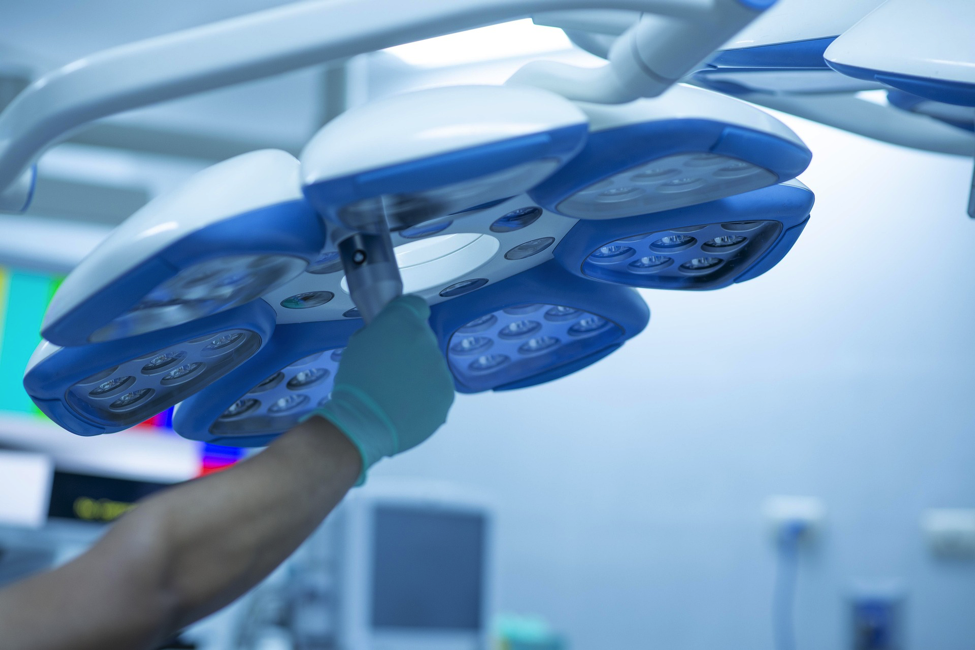
Decades ago, most colon and rectal operations required a large open incision. Recovery was slow and painful. With the advent of laparoscopic techniques, however, which involved the use of small incisions and a small camera, this was no longer the case. Surgeon Omar Marar, a board-certified colon and rectal specialist trained at Thomas Jefferson University Hospital, represents a generation that grew up with these methods and now builds on them. Patients are getting discharged earlier and going back home with a higher speed.
The Rise of Robotic Surgery
Robotic systems are now a major part of modern colorectal care. They provide a magnified 3D view as well as extremely stable instruments for the surgeon. This is most important in the limited area of the pelvis where tumors can lie near sensitive nerves. For some colorectal procedures, robotic surgery may offer benefits such as smaller incisions, reduced blood loss, or shorter recovery compared with open surgery, although outcomes depend on the procedure, the patient’s condition, and the surgical team.
Better Cancer Care Through Teamwork
In the past, colorectal cancer was a dreaded disease, and there was little that could be done. However, with early detection and effective treatment methods, a lot of cases can be cured today. Surgeons now work with oncologists, radiation specialists, and pathologists to design care for each person. In selected rectal cancer cases, chemotherapy and radiation may produce a strong enough response that surgery can sometimes be deferred or avoided under close specialist surveillance.
Restoring Quality of Life
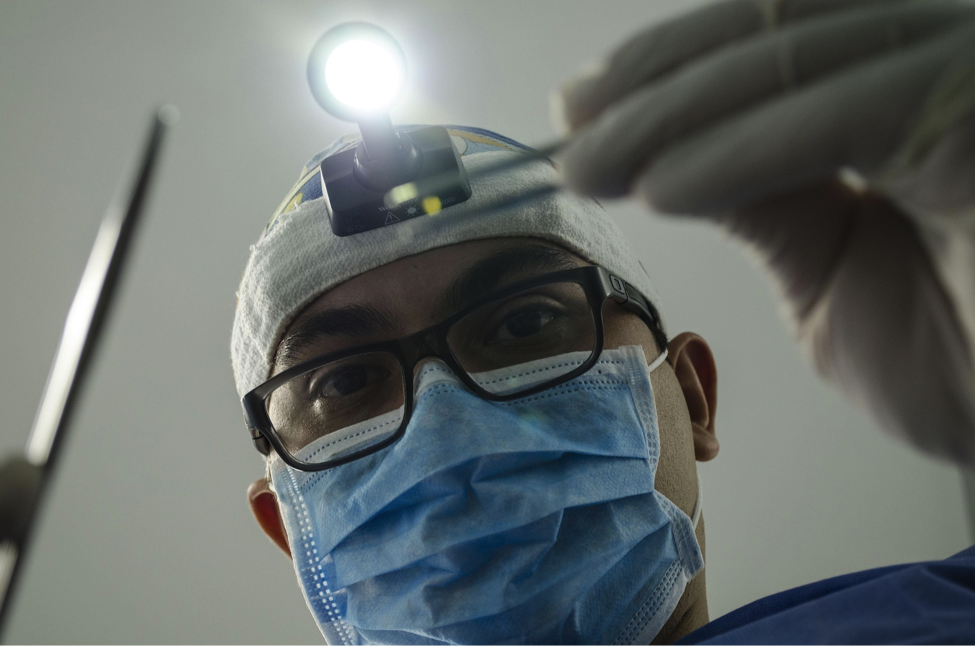
Not all colorectal issues are life-threatening, but many impact the comfort of everyday life. Fecal incontinence, hemorrhoids, and pelvic floor disorders may prevent people from enjoying activities. Simple in-office treatments such as hemorrhoid banding are available at modern clinics and in more serious cases, reconstructive surgery is available. Now, restoration of comfort and confidence is considered as a real criterion of surgical success.
The Growing Role of Education
An integral component of the specialty’s progress. Dr. Marar has acted as assistant professor and is a director of a general surgery sub-internship, thus training new budding students. Complex skills are safely learned through hands-on teaching, simulation and mentorship. Training leads to the dissemination of new techniques to more patients.
Caring for the Surgeon Too
Progress in surgery is not only about machines and methods. It’s a tough job, and there’s a risk of burnout. Surgeons maintain their health and concentration through regular exercise, yoga, and mindfulness. Supporting surgeon wellbeing may help reduce burnout and support sustained attention, communication, and professional longevity, although individual outcomes vary.
What the Future May Hold
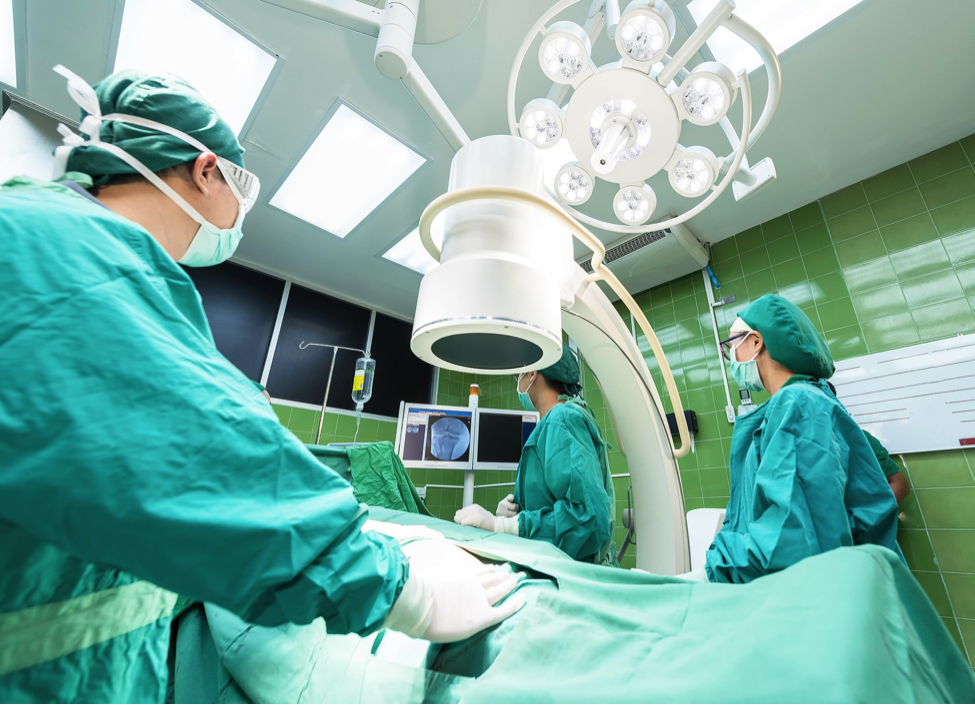
The rate of change doesn’t look like it is slowing down. Experts believe that robotic platforms will be more precise and user-friendly. New, improved imaging, data tools, and even less invasive techniques may make it possible for surgeons to remove tumors early without making external cuts. In addition to these tools, good communication with patients is key to ensure they are aware of their choices and engaged in all decisions.
Conclusion
Modern colorectal surgery has grown into a field defined by precision, teamwork, and compassion. From laparoscopic methods to robotic systems, each advance has aimed at less pain and better recovery. This has been as much about education and personal wellbeing as it has been about technology. This is a positive message for the patient. Advanced practitioners and evolving technologies allow for treatment of more conditions in a safe and effective manner, and more people can get back to the lives they love. It’s never a bad idea to ask those important questions and pick the right professional expert.
Other Articles You May Find of Interest...
- Dr. Omar Marar on the Evolution of Modern Colorectal Surgery
- Pain Where Your Appendix Was Removed Years Ago: Possible Causes
- Why Multi-Strain Probiotics May Offer Broader Digestive Support
- What a Healthy Colon Looks Like During Colonoscopy
- A Better Digestive Rhythm: Everyday Habits for Preventing Occasional Constipation
- Does a Gastroenterologist Treat Liver Disease?
- How Your Gut Microbiome Affects More Than Digestion