Your Health Magazine Contributor
4201 Northview Drive
Suite 102
Bowie, MD 20716
More Gastroenterology Articles
How Your Gut Microbiome Affects More Than Digestion
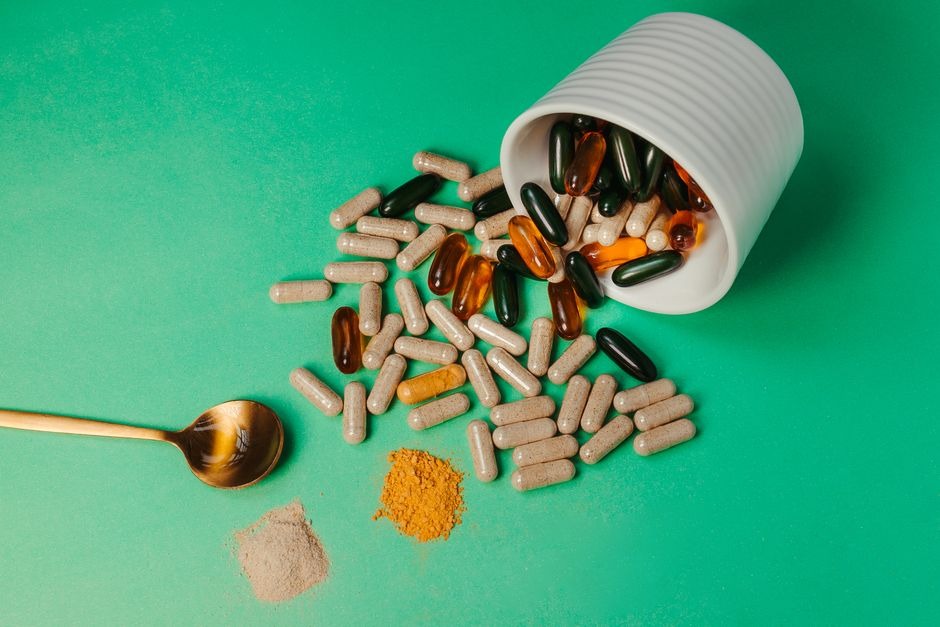
You probably hear a lot about gut health, usually right next to yogurt ads and vague promises about feeling better. The reality is more interesting. Your gut microbiome influences digestion, immune function, mood, and even how your body handles certain foods. If you’ve ever wondered why one person can eat anything while another gets bloated from a salad, your gut bacteria may be part of the answer. Understanding the basics helps you make smarter choices without getting lost in wellness hype.
Where supplements may fit into the picture
Supplements can be useful, but they work best as part of a broader plan, not as a magic capsule riding in to save a chaotic diet. Depending on the formula, products marketed as gut microbiome supplements may include probiotics, prebiotics, postbiotics, or bioactive compounds aimed at supporting digestive and microbial health.
The important part is context. Different supplements are marketed for different goals, such as supporting digestive comfort, regularity, or microbial diversity. Quality, strain specificity, dosage, and storage requirements all matter. A flashy label means very little if the ingredients are poorly supported.
Before trying one, consider:
– What symptom or goal you are targeting
– Whether the ingredients are evidence-based
– If the product fits your health history
– Whether a clinician recommends it for your situation
What the gut microbiome actually is
Your gut microbiome is the massive community of bacteria, fungi, viruses, and other microbes living mostly in your intestines. That sounds slightly unsettling, but most of these organisms are not villains. Many help break down food, produce useful compounds, and support your immune system.
Think of it less like a random pile of germs and more like a crowded ecosystem with jobs, rivalries, and occasional drama. Some microbes help digest fiber. Others produce short-chain fatty acids that support the gut lining. A healthy microbiome usually has diversity, meaning many types of helpful organisms instead of one group taking over.
When that balance shifts, you may notice symptoms such as:
– Bloating
– Irregular bowel movements
– Excess gas
– Food sensitivity changes
– General digestive discomfort
What can throw your microbiome off balance
Your microbiome changes constantly. It reacts to what you eat, how you sleep, your stress levels, medications, illness, and travel. It is adaptable, which is good news, though it also means modern habits can disrupt it pretty easily.
Some common disruptors include:
– Diets low in fiber and high in ultra-processed foods
– Repeated antibiotic use
– Chronic stress
– Poor sleep habits
– Excess alcohol intake
– Sudden major diet changes
You do not need a perfect lifestyle to support gut health. That would be nice, but also unrealistic. Small patterns matter more than occasional slipups. Eating a wide range of plant foods across a week can help feed different beneficial microbes. Sleeping five hours a night while living on energy drinks and chips, on the other hand, is not exactly a microbial love letter.
The role of food in shaping your gut bacteria
Food is one of the strongest daily influences on your microbiome. Fiber-rich foods act like fuel for beneficial bacteria, especially when you eat a variety of them consistently. Fruits, vegetables, legumes, oats, nuts, seeds, and whole grains all provide compounds your microbes can use.
Fermented foods may also help. Yogurt with live cultures, kefir, kimchi, sauerkraut, miso, and tempeh can introduce useful microbes or support microbial balance, depending on the product and your individual response.
A practical approach works better than a trendy one:
– Add beans to soups or rice bowls
– Rotate fruits instead of eating the same one daily
– Include vegetables at lunch, not only dinner
– Swap refined grains for oats or brown rice sometimes
– Try one fermented food a few times a week
Your microbiome likes consistency more than nutritional theatrics. You do not need a refrigerator that looks like a science experiment.
How to choose wisely without falling for hype
The gut health market is full of dramatic claims, vague buzzwords, and labels that sound like they were created by a marketing team with a thesaurus and too much coffee. Choosing well takes a little skepticism.
Look for products that clearly list strains, amounts, and intended use. If a supplement claims to fix everything from bloating to burnout to your entire personality, back away slowly. Reliable options usually make narrower, realistic claims and explain what is actually in the formula.
It also helps to check whether the company discusses science, ingredient sourcing, and product stability. Some probiotic organisms are fragile, so manufacturing and storage are not minor details. If you have a medical condition, a weakened immune system, or ongoing digestive symptoms, talk with a healthcare professional first.
Smart questions to ask include:
– Is this product targeting probiotics, prebiotics, or both?
– Are the strains identified specifically?
– Is there any clinical support for the formula?
– Does it make claims that sound too good to be true?
Practical habits that support a healthier microbiome
If you want to support your gut, your daily habits matter more than any single product. You do not need to overhaul your life in one dramatic Sunday reset. Start with actions you can actually maintain.
Try building a microbiome-friendly routine like this:
– Eat more plant diversity each week
– Stay hydrated
– Move your body regularly
– Get enough sleep most nights
– Manage stress in realistic ways
– Use antibiotics only when medically necessary
Pay attention to patterns, not perfection. If a certain food leaves you feeling awful every time, that matters. If your digestion improves when you eat more fiber and sleep better, that matters too. Your gut gives feedback, though it can be a little passive-aggressive about it.
A healthier microbiome often comes from steady choices repeated over time. That approach is less exciting than a miracle cleanse, but it tends to work a lot better.
What to remember as research keeps evolving
Microbiome science is promising, though it is still evolving. Researchers have learned a lot, but there is no universal blueprint for the perfect gut. What helps one person may not help another in the same way because genetics, diet, medications, age, and environment all shape the microbial picture.
That makes personalized thinking important. Instead of chasing every trend, focus on evidence, your own symptoms, and practical habits with a solid track record. A balanced diet, sleep, movement, and carefully chosen support strategies still carry the most weight.
If you are dealing with persistent digestive symptoms, unexplained changes in bowel habits, or major food intolerance issues, get medical advice instead of self-diagnosing through social media. Your microbiome matters, but it is one piece of a larger health puzzle. Treat it like an important system, not a passing trend, and you’ll make far better decisions.
Other Articles You May Find of Interest...
- Dr. Omar Marar on the Evolution of Modern Colorectal Surgery
- Pain Where Your Appendix Was Removed Years Ago: Possible Causes
- Why Multi-Strain Probiotics May Offer Broader Digestive Support
- What a Healthy Colon Looks Like During Colonoscopy
- A Better Digestive Rhythm: Everyday Habits for Preventing Occasional Constipation
- Does a Gastroenterologist Treat Liver Disease?
- How Your Gut Microbiome Affects More Than Digestion