Your Health Magazine Contributor
4201 Northview Drive
Suite 102
Bowie, MD 20716
More Dental Health Articles
Why Preventive Dental Care Matters More Than Most People Realize
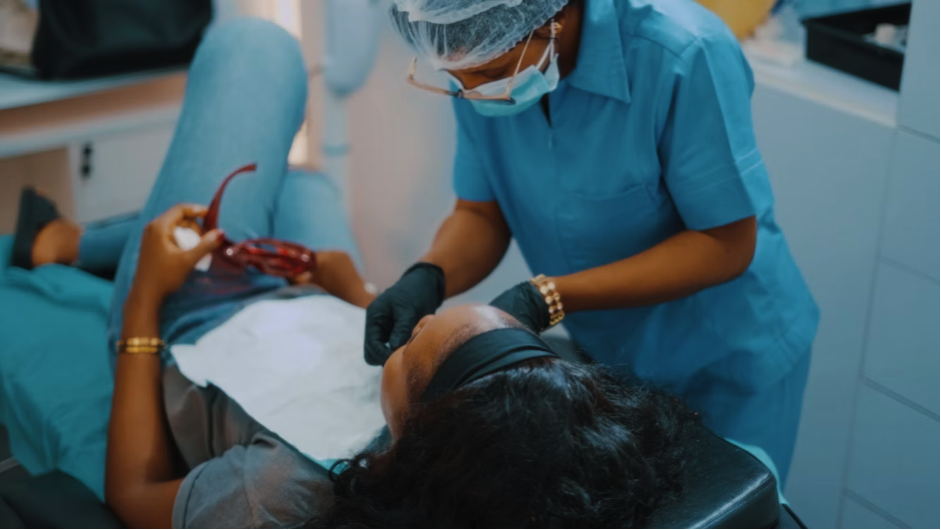
Preventive dental care is often associated with routine cleanings and quick checkups, but its value reaches much further than simply keeping teeth looking clean. Regular professional care can help identify early signs of decay, gum problems, damaged teeth, and other oral health concerns before they become more difficult to manage. Practices such as Paul Jang dentistry provide general and preventive dental services as part of ongoing oral healthcare. By combining professional dental visits with consistent habits at home, people can take a more proactive approach to protecting their teeth, gums, and overall quality of life.
Prevention Helps Catch Problems Early
Many dental problems develop gradually and may cause few noticeable symptoms during their early stages. A small area of tooth decay, for example, may not initially cause pain even though it is already damaging the tooth. Regular dental examinations give a dentist an opportunity to identify these changes before discomfort becomes the reason for seeking treatment.
Early detection can often make treatment simpler and more manageable. Addressing a small cavity may require a relatively straightforward restoration, while allowing decay to progress can eventually affect deeper structures inside the tooth. Preventive appointments are therefore valuable even when the mouth feels completely healthy.
Healthy Gums Deserve Equal Attention
Teeth often receive most of the attention when people think about oral health, but healthy gums are just as important. Plaque and tartar can build up around the gumline, contributing to inflammation, tenderness, and bleeding if not properly controlled. Professional cleanings help remove deposits that regular brushing and flossing may not completely eliminate.
Gum problems can also progress quietly, especially when early warning signs are overlooked. Without proper care, inflammation can worsen and affect the tissues that support the teeth. Routine dental visits allow dentists to monitor gum health so they can address concerning changes as early as possible.
Daily Habits Make a Significant Difference
Preventive dentistry does not begin and end in the dental office. Brushing thoroughly, cleaning between the teeth, limiting sugary foods and drinks, and following professional recommendations all contribute to healthier teeth and gums. These simple habits help control plaque and reduce the conditions that allow common dental problems to develop.
Consistency matters because plaque begins forming again soon after teeth are cleaned. A rushed brushing session once in a while cannot replace a reliable daily routine that reaches every area of the mouth. Small actions, done consistently, can have a meaningful effect on oral health over many years.
Preventive Care Can Protect Natural Teeth
Keeping natural teeth healthy for as long as possible is one of the central goals of preventive dentistry. Decay, gum disease, cracks, and excessive wear can weaken teeth and may eventually contribute to tooth loss if not treated appropriately. Routine examinations allow dentists to watch for changes that could threaten the strength or stability of a tooth.
Protecting natural teeth can also help maintain comfortable chewing and normal speech. Each tooth forms part of a larger system, and problems affecting one area of the mouth can sometimes place additional pressure on surrounding teeth. Preventive care supports the function of the entire mouth rather than focusing only on individual problems after they occur.
Oral Health Can Influence Everyday Life
Dental discomfort can affect much more than the ability to enjoy a meal. Tooth sensitivity, damaged teeth, swollen gums, or persistent pain can make eating, speaking, sleeping, and concentrating more difficult. Preventing or identifying these problems early can reduce the chance that oral health begins interfering with everyday routines.
A healthy mouth can also make daily activities feel easier and more comfortable. People may feel more relaxed when speaking, eating with others, or smiling when untreated dental concerns don’t distract them. Preventive dentistry therefore supports both oral function and the practical aspects of everyday well-being.
Regular Visits Create a Long-Term Health Record
Routine appointments allow a dentist to become familiar with how a patient’s mouth changes over time. Comparing examinations and dental records makes it easier to spot unusual wear, changes in gum health, recurring decay, or other developing concerns. This ongoing history provides useful context that may not be available when people seek dental care only during emergencies.
Regular visits also create opportunities for personalized advice. A dentist may recommend changes to brushing technique, discuss areas that require additional cleaning, or suggest ways to protect teeth from grinding or other habits. Preventive care can therefore evolve as a person’s needs change with age, lifestyle, and oral health.
Conclusion
Preventive dental care is much more than an occasional cleaning or a quick look at the teeth. It combines professional examinations, regular cleanings, early detection, healthy daily habits, and ongoing monitoring to help protect teeth and gums before minor concerns become more complicated. Making prevention a consistent part of oral care can support natural teeth, comfortable everyday function, and better long-term dental health.
Other Articles You May Find of Interest...
- Brushing Teeth for Kids: Secrets to Making Healthy Habits Actually Stick
- Why Preventive Dental Care Matters More Than Most People Realize
- How Missing Teeth Can Change the Way You Eat, Speak, and Live
- Why Jawbone Health Matters More Than You Might Think
- How TMJ Problems Can Cause Neck Pain and Tension
- Crowns and Bridges: A Complete Guide to Restoring Your Smile
- Dental Crown or Filling: How Do You Know Which One You Need?
Featured Doctors and Practices