






Your Health Magazine Contributor
4201 Northview Drive
Suite 102
Bowie, MD 20716
More Dental Health Articles
How Missing Teeth Can Change the Way You Eat, Speak, and Live
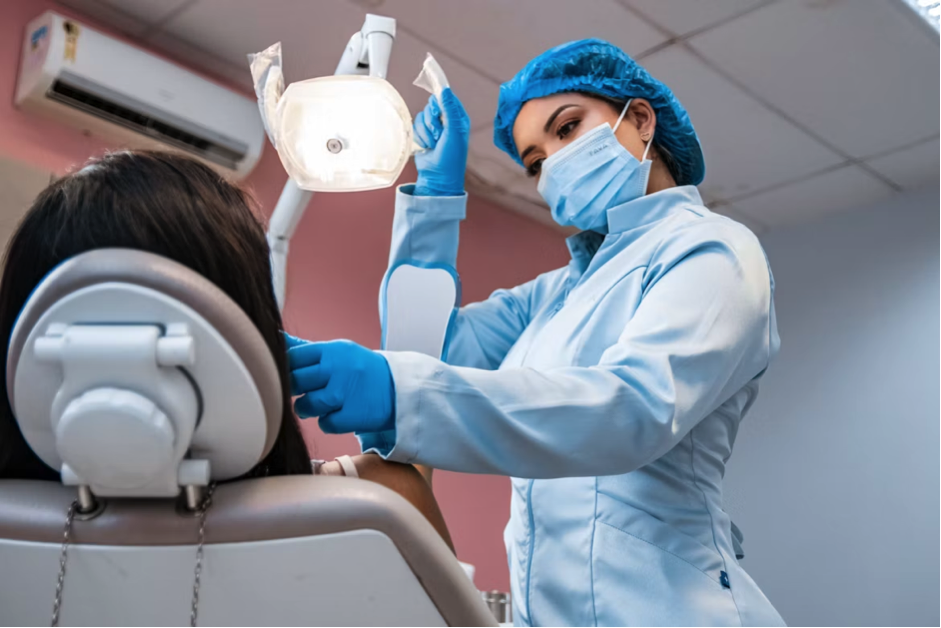
Losing one or more teeth may seem like a cosmetic concern at first, but the effects can reach far beyond the appearance of a smile. Practices such as Care Dental Implant & Cosmetic Center provide dental implant, full-arch, and other restorative treatment options for people with missing teeth. Understanding how tooth loss affects everyday activities can help people recognize why replacing missing teeth may be important for their long-term oral health and quality of life.
Eating Can Become More Difficult
Teeth work together to bite, tear, and grind food into smaller pieces that are easier to swallow and digest. When teeth are missing, certain foods can become uncomfortable or difficult to chew, particularly foods that are hard, crunchy, or tough. Some people gradually begin avoiding these foods without realizing how much their eating habits have changed.
Dietary changes caused by tooth loss may also influence the variety of nutrients a person receives. Fresh vegetables, fruits, nuts, and some sources of protein can require significant chewing, which may encourage someone with missing teeth to choose softer alternatives instead. Restoring comfortable chewing can make it easier to maintain a varied and balanced diet.
Speech May Start to Sound Different
Teeth also play an important role in clear speech because the tongue and lips rely on them to form certain sounds. A missing tooth, especially near the front of the mouth, can change airflow and alter the way particular words are pronounced. This may result in whistling sounds, unclear pronunciation, or other noticeable differences in speech.
These changes can sometimes make people more conscious of how they speak in professional or social situations. They may speak more quietly, avoid certain words, or worry about whether others notice the difference. Replacing missing teeth can help recreate the structures that support clearer and more natural speech.
Nearby Teeth Can Begin to Shift
A gap left by a missing tooth creates space that neighboring teeth may gradually move into over time. Teeth can tilt or drift toward the empty area, potentially changing the way the upper and lower teeth meet when biting. These changes may make cleaning more challenging and can affect how chewing forces are distributed across the mouth.
Changes in alignment can also place additional pressure on teeth that were previously functioning normally. Remaining teeth may need to compensate for the missing tooth during chewing, which can create uneven patterns of wear. Addressing tooth loss earlier may help preserve a more stable bite and protect the function of surrounding teeth.
Jawbone Changes Can Occur
The roots of natural teeth transfer pressure into the jawbone during everyday biting and chewing. This stimulation helps the bone maintain its strength and structure, but when a tooth is lost, that stimulation in the area decreases. Over time, the jawbone around the missing tooth can gradually lose volume.
Bone changes may eventually affect more than the empty space itself. Significant bone loss can reduce support for neighboring teeth and may contribute to long-term changes in facial structure. Dental implants are one restorative option that replaces the tooth root and can provide stimulation to the surrounding bone during normal function.
Daily Confidence and Social Life Can Be Affected
The impact of missing teeth is not always physical. Some people become more aware of their smile when talking, laughing, meeting new people, or having photographs taken. This self-consciousness can gradually influence how comfortably they participate in everyday social situations.
Eating around other people can become another concern when chewing certain foods is difficult. Someone may avoid restaurants, social meals, or events where they worry that their dental problems will become noticeable. Restoring missing teeth can therefore have practical benefits that extend into communication, social activities, and everyday routines.
Modern Tooth Replacement Offers Different Options
No single solution suits everyone with missing teeth. Depending on oral health, the number of missing teeth, bone condition, personal preferences, and other factors, options may include bridges, removable dentures, individual dental implants, or implant-supported restorations. A dental evaluation can help determine which approaches may be appropriate for a person’s circumstances.
Modern implant dentistry can also provide solutions for people who have lost many or most of their teeth. Full-arch implant treatments use strategically positioned implants to support a fixed set of replacement teeth, potentially improving stability compared with traditional removable options. Treatment planning typically considers gum health, bone availability, bite function, medical history, and the patient’s individual goals.
Conclusion
Missing teeth can affect far more than the way a smile looks, influencing eating, speech, tooth alignment, jawbone health, and everyday social experiences. Because these changes can develop gradually, it is easy to adapt to them without recognizing how much tooth loss is affecting daily life. Learning about available tooth-replacement options and discussing individual needs with a qualified dental professional can help patients make informed decisions about restoring comfort, function, and long-term oral health.
Other Articles You May Find of Interest...
- Brushing Teeth for Kids: Secrets to Making Healthy Habits Actually Stick
- Why Preventive Dental Care Matters More Than Most People Realize
- How Missing Teeth Can Change the Way You Eat, Speak, and Live
- Why Jawbone Health Matters More Than You Might Think
- How TMJ Problems Can Cause Neck Pain and Tension
- Crowns and Bridges: A Complete Guide to Restoring Your Smile
- Dental Crown or Filling: How Do You Know Which One You Need?
Featured Doctors and Practices





