More Women's Health & Beauty Articles
Vaginal Rejuvenation Devices: What They Promise and What Evidence Shows
By Your Health Magazine Health Information Team
Perhaps sex has become uncomfortable, vaginal dryness is affecting daily life, or bladder leaks began after childbirth or menopause. An advertisement for a vaginal rejuvenation machine may sound like a convenient solution, promising tighter tissue, better lubrication, improved sexual sensation, and fewer urinary symptoms without surgery. But “vaginal rejuvenation” is a marketing term, not a specific medical diagnosis, and the evidence behind these devices is less certain than many advertisements suggest.
What Is a Vaginal Rejuvenation Machine?
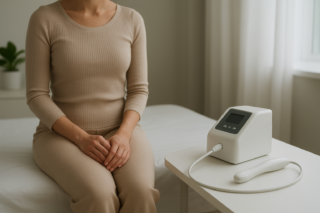
Most devices marketed for vaginal rejuvenation deliver controlled energy to vaginal or vulvar tissue. The two main categories are laser devices, including carbon dioxide and erbium lasers, and radiofrequency devices, which use electrical energy to heat tissue.
During an office procedure, a clinician may place a wand or probe inside the vagina and move it along the vaginal walls. Depending on the device, treatment may involve one or several sessions, sometimes followed by maintenance procedures.
Manufacturers and clinics may say the energy creates small areas of controlled injury or heating that stimulate collagen production, blood flow, and tissue remodeling. Advertised uses may include:
- Vaginal dryness, burning, or irritation
- Pain during sexual activity
- A feeling of vaginal looseness after childbirth
- Reduced sexual sensation
- Mild urinary leakage
- Menopause-related vaginal and urinary symptoms
- Cosmetic changes involving the vulva
These concerns can have different causes and may require different treatments. A device marketed for all of them should not replace an appropriate medical evaluation.
What Does the Evidence Show?
Early studies often reported improvement after vaginal laser or radiofrequency treatment. However, many of those studies were small, did not include a sham-treatment comparison group, followed participants for only a short time, or relied heavily on self-reported improvement. These limitations make it difficult to separate a device’s effect from the natural variation of symptoms, expectations, and the placebo response.
More rigorous randomized trials have produced mixed results. Some have found short-term symptom improvements, while others have found that laser treatment performed similarly to a sham procedure for vaginal dryness, pain during sex, urinary symptoms, tissue health, and overall satisfaction. Systematic reviews have also concluded that study quality, treatment protocols, outcome measurements, and follow-up periods vary too much to establish dependable long-term benefits.
Current professional guidance does not consider laser or radiofrequency treatment an established therapy for genitourinary syndrome of menopause. Evidence is also insufficient to show that these devices reliably treat urinary incontinence, improve sexual function, or create lasting vaginal “tightening.” Larger, well-designed studies with longer follow-up are still needed.
FDA Clearance Does Not Necessarily Mean Approval for Rejuvenation
Patients may be told that a vaginal rejuvenation machine is “FDA cleared.” That statement requires context. An energy-based device may be cleared for certain surgical functions, such as cutting, coagulating, or treating abnormal tissue, without being specifically authorized to rejuvenate vaginal tissue or treat menopause symptoms, sexual problems, or urinary incontinence.
The U.S. Food and Drug Administration has not approved laser or other energy-based treatments for vaginal cosmetic surgery. It has also warned about promoting these devices for unproven vaginal rejuvenation uses. Before consenting to treatment, ask for the exact device name and the specific condition for which it has FDA authorization.
What Are the Possible Risks?
Although these procedures are often described as quick or minimally invasive, they are not risk-free. Applying heat or laser energy to sensitive tissue can cause complications, including:
- Vaginal or vulvar burns
- Pain, swelling, spotting, or irritation
- Scarring or narrowing of vaginal tissue
- New or worsening pain during sex
- Persistent or recurring pelvic or vaginal pain
- Changes in sensation
- Infection or delayed healing
Long-term risks remain uncertain because many studies have followed participants for months rather than years. Results and risks may also depend on the device, energy settings, clinician training, tissue condition, and the person’s medical history.
Symptoms Deserve a Diagnosis First
Dryness, irritation, painful sex, and urinary changes commonly occur with genitourinary syndrome of menopause, but they may also result from infection, a skin condition, pelvic floor muscle dysfunction, medication effects, hormonal changes, or another health problem. A feeling of looseness or pressure may be associated with pelvic floor injury or pelvic organ prolapse.
An obstetrician-gynecologist or urogynecologist can help identify the cause and discuss treatments supported by evidence. Depending on the diagnosis, options may include vaginal moisturizers, lubricants, pelvic floor physical therapy, bladder training, prescription vaginal hormones, or other prescription therapies. People with a history of breast cancer or another hormone-sensitive condition should discuss treatment decisions with their gynecologist and oncology team.
For additional background, readers can review these reliable health topics from MedlinePlus. Those comparing procedures may also find this overview of nonsurgical vaginal rejuvenation options helpful.
Questions to Ask Before Considering Treatment
If you are considering a vaginal rejuvenation machine, ask the clinician:
- What medical condition are you treating?
- Has another cause of my symptoms been ruled out?
- Is this device authorized for that exact use?
- What evidence supports this treatment for someone with my symptoms?
- What complications have your patients experienced?
- How many sessions and maintenance treatments are recommended?
- What will the total cost be, and are refunds available if symptoms do not improve?
- What evidence-based alternatives should I consider first?
Be cautious about guarantees, claims that treatment is completely painless or risk-free, and packages that must be purchased before a medical assessment. A qualified clinician should discuss uncertainty as clearly as potential benefits.
When to Seek Care
Schedule an evaluation with an obstetrician-gynecologist if vaginal dryness, itching, burning, painful sex, urinary leakage, or pelvic pressure is persistent or interfering with daily life. Prompt evaluation is especially important for bleeding after menopause, unexplained vaginal bleeding, sores, unusual discharge, a new vaginal bulge, or recurring urinary symptoms.
After an energy-based procedure, contact a healthcare professional promptly for severe or worsening pain, signs of a burn, heavy bleeding, fever, foul-smelling discharge, difficulty urinating, or symptoms that do not improve as expected. A urogynecologist may be helpful for bladder leakage, prolapse, or pelvic floor concerns, while a pelvic floor physical therapist can evaluate muscle-related symptoms.
The Bottom Line
A vaginal rejuvenation machine may be marketed as a simple answer to dryness, sexual discomfort, looseness, or bladder leakage. However, higher-quality research has not consistently shown meaningful benefits over sham treatment, and long-term safety remains uncertain. The most useful first step is not choosing a machine—it is identifying the cause of the symptom and reviewing proven options with a qualified healthcare professional.
Other Articles You May Find of Interest...
- Vaginal Rejuvenation Devices: What They Promise and What Evidence Shows
- Can Sperm Affect a Home Pregnancy Test Result?
- Menstrual Disorder Treatment: Causes, Symptoms, and Options
- What Patients Should Know About Minimally Invasive Treatment Options
- The Stages of Labor, Explained From First Contraction to Birth
- Can Bifidobacterium Bacteria Help Your Vagina?
- 5 Common Reproductive Health Concerns and When to Seek Care