






Your Health Magazine Contributor
4201 Northview Drive
Suite 102
Bowie, MD 20716
More Weight Control, Nutrition & Exercise Articles
Liposuction vs Weight Loss: Understanding the Difference
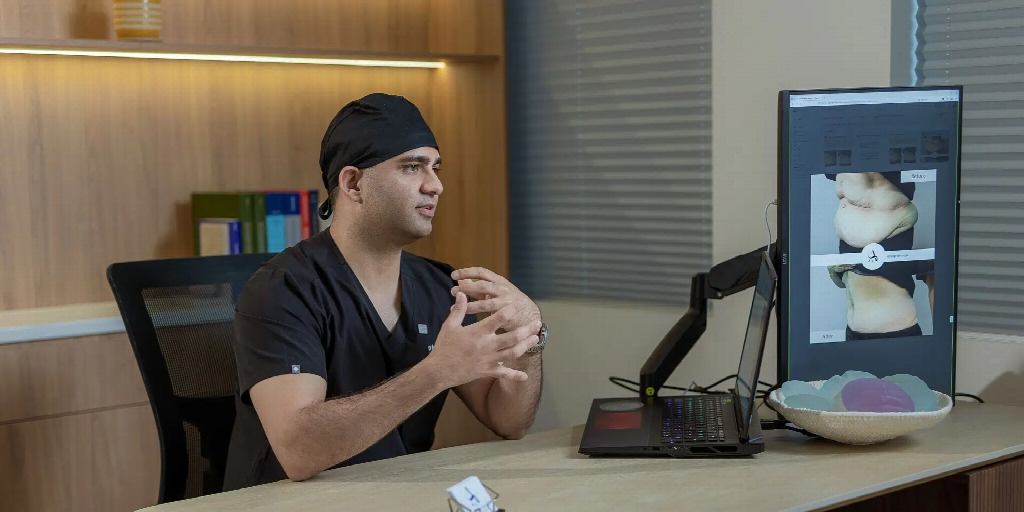
Liposuction and weight loss are sometimes discussed as though they achieve the same goal, but they serve different purposes. Weight loss aims to reduce overall body weight through changes such as nutrition, physical activity and, where appropriate, medical management. In contrast, people considering liposuction surgery in Sydney are generally looking at a surgical body-contouring procedure designed to address specific areas of localised fat rather than a method for achieving significant weight loss.
Understanding this distinction is important before considering any cosmetic procedure. Liposuction may change the contours of particular areas, but it does not replace healthy lifestyle habits or address the underlying factors that influence a person’s overall weight.
How Weight Loss Affects the Body
Weight loss occurs when the body uses more energy than it consumes over time. Depending on the individual, this may be achieved through dietary changes, increased physical activity or a professionally supervised weight-management plan. When someone loses weight, fat cells generally decrease in size across different areas of the body. However, the pattern of fat loss is not completely within a person’s control. Genetics, hormones, age and body composition can influence where fat is stored and where changes become noticeable first.
This explains why two people who lose a similar amount of weight may experience very different changes in their body shape. One person may notice significant changes around the abdomen, while another may retain more fat around the hips or thighs. Healthy weight management can provide broader benefits beyond appearance, including improvements in cardiovascular health, mobility and general wellbeing. These benefits are different from the objectives of a body-contouring procedure.
What Liposuction Is Designed to Do
Liposuction is a surgical procedure used to remove selected deposits of subcutaneous fat from particular areas of the body. Depending on an individual’s anatomy and treatment plan, these areas may include the abdomen, hips, thighs, arms or other suitable locations. The purpose is generally to alter proportions or contours rather than create substantial overall weight reduction. The amount of fat removed is determined by several factors, including the treatment area, patient health and what can be performed safely.
This distinction is particularly important for anyone considering surgery primarily because they want to lose a significant amount of weight. Liposuction is not intended to provide the same health or weight-management benefits as sustainable lifestyle changes or appropriate medical treatment. A consultation with a suitably qualified medical practitioner is necessary to determine whether the procedure is appropriate for an individual’s circumstances.
Why Some Fat Can Remain After Weight Loss
It is possible for someone to maintain a healthy lifestyle and still have areas of fat that appear disproportionate to the rest of their body. Fat distribution is influenced by genetics and individual physiology. Some people naturally store more fat around the abdomen, hips, thighs or other areas. These patterns may remain noticeable even when overall body weight decreases. This does not necessarily mean that diet or exercise has been unsuccessful. Exercise can improve cardiovascular fitness, muscle strength and body composition, but it cannot reliably determine exactly where the body will reduce stored fat.
Liposuction may be considered in some circumstances when a person has localised areas they would like assessed for body contouring. However, the suitability of treatment depends on much more than the presence of unwanted fat. Health, expectations, skin quality and overall body composition are among the factors that may need to be considered before surgery.
Body Weight and Skin Quality Can Affect Suitability
Liposuction is not appropriate for everyone, and individual suitability needs to be assessed during a medical consultation. A person’s general health and medical history are important because liposuction is a surgical procedure with potential risks and a recovery period. Certain medical conditions, medications and lifestyle factors may affect whether surgery is appropriate or how it should be planned. Skin quality can also influence the result. Removing fat changes the volume beneath the skin, but liposuction does not necessarily correct significant loose or excess skin. The ability of the skin to adapt to the new contour varies between individuals.
Weight stability is another consideration. Significant weight changes after the procedure can alter body proportions and affect the appearance of the treated area. For this reason, liposuction is generally approached as body contouring rather than a substitute for establishing a sustainable weight-management routine.
Liposuction Does Not Replace Healthy Habits
Although liposuction removes fat cells from selected areas, it does not prevent future changes in body weight. Remaining fat cells can still increase in size if a person gains weight after surgery. Long-term weight stability therefore remains important. Regular physical activity, balanced nutrition, adequate sleep and other sustainable health habits can help support general wellbeing and maintain a relatively stable body weight. It is also important to have realistic expectations about what cosmetic surgery can achieve. The objective is generally to improve the contour of selected areas rather than create a completely different body shape or guarantee a particular appearance.
Patients should have an opportunity to discuss expected outcomes, limitations, potential complications and recovery before deciding whether to proceed. Understanding these limitations allows liposuction to be considered within the correct context: as an elective surgical procedure for body contouring rather than an alternative to healthy weight management.
Making an Informed Decision About Liposuction
Anyone considering liposuction should begin with a thorough consultation rather than deciding based only on before-and-after images or information found online. The consultation provides an opportunity for the practitioner to review medical history, assess the proposed treatment areas and discuss whether the patient’s goals are realistic. Different techniques may be considered depending on anatomy, treatment requirements and the surgeon’s clinical judgement. Patients should also ask questions about the practitioner’s qualifications and experience, where the procedure will be performed, anaesthesia, recovery, possible complications and expected follow-up care.
Understanding the recovery process is particularly important. Swelling, bruising and temporary discomfort can occur, and the final contour may not be immediately visible. Recovery experiences and timelines can vary considerably between individuals. Cosmetic surgery is a personal decision and should not be rushed. Having clear information about potential benefits, limitations and risks makes it easier to determine whether the procedure aligns with an individual’s circumstances and expectations.
Conclusion
Weight loss and liposuction can both change physical appearance, but they do so in fundamentally different ways. Weight management focuses on overall body weight and health, while liposuction is a surgical procedure intended to address selected areas of localised fat and alter body contours. Liposuction should therefore not be viewed as a shortcut to significant weight loss or a replacement for nutrition and physical activity. Individual health, weight stability, skin quality and expectations all play a role in determining whether someone may be suitable for the procedure.
Anyone considering liposuction should seek personalised medical advice from an appropriately qualified practitioner and understand the potential risks, recovery requirements and realistic outcomes before making a decision.
Other Articles You May Find of Interest...
- Liposuction vs Weight Loss: Understanding the Difference
- Does Dry Brushing Do Anything for Weight Loss?
- Physical and Mental Wellness Benefits of Scuba Diving
- How Many Electrolytes You Need in a Day
- The Fitness Benefits of Adding E Bike Riding to Your Daily Routine
- Setting Realistic Expectations With Mounjaro: A Grounded Look for Singaporeans
- Ten Science-Backed Habits That Make Weight Loss Stick




