More Vision & Eye Care Articles
Are Zoloft Eye Side Effects Impacting Your Vision?
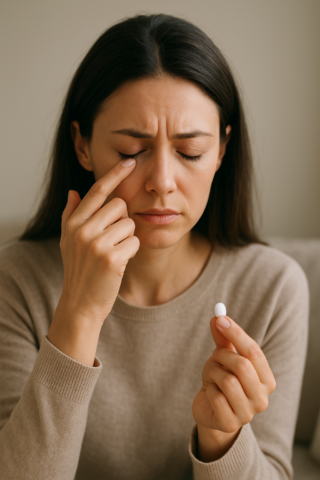
Many individuals taking Zoloft, a commonly prescribed antidepressant, may notice unexpected vision changes. Experiencing blurred or double vision can be alarming, leaving you to wonder if Zoloft eye side effects are impacting your daily life. While Zoloft is effective for managing depression and anxiety, it’s essential to understand the potential ocular side effects and how they might influence your daily activities.
How Zoloft Can Affect Your Eyes
Zoloft, also known by its generic name sertraline, influences neurotransmitters in the brain but occasionally causes side effects in other parts of the body, such as the eyes. Some individuals report experiencing blurred vision, difficulty focusing, or increased sensitivity to light. These symptoms can interfere with daily tasks, such as reading, working on a computer, or driving, particularly at night.
While these side effects are typically mild and often improve over time, they can be inconvenient or distressing. If you notice persistent vision issues, it’s crucial to consider whether these symptoms might be associated with your medication regimen.
When to Seek Care
If you experience any significant or lasting changes to your eyesight while taking Zoloft, it’s wise to consult with a healthcare provider. Optometrists and ophthalmologists can help evaluate your symptoms and may conduct tests to determine if the medication is the probable cause of your vision changes. Your primary care physician or psychiatrist may also be able to adjust your dosage or switch you to an alternative medication if necessary.
Practical Tips for Managing Medication and Eye Health
If you suspect your vision issues are related to Zoloft, there are several practical steps you can take. First, avoid abrupt changes to your medication regimen without consulting your doctor. Managing side effects often involves some level of trial and error, including adjusting the dose or trying a different antidepressant.
Discuss any changes or symptoms with your healthcare provider to ensure the best course of action. Some people find relief from eye-related side effects by using lubricating eye drops or incorporating more breaks when engaging in visually intensive activities.
Do Other Side Effects Change With Medication Adjustments?
Changes in medication can sometimes lead to a temporary return of side effects or the emergence of new ones. For instance, if you’re switching antidepressants or adjusting the dosage of Zoloft, you might notice fluctuations in both mood and physical symptoms, including vision. However, these changes are often temporary, and your healthcare provider can assist in managing them.
Before making any changes, it might be helpful to prepare a list of questions for your doctor about what to expect during the transition. It’s also beneficial to monitor your symptoms and communicate any significant changes to your healthcare provider promptly.
For some people, exploring new treatments or therapies might be beneficial. You can read more about innovative treatments for conditions like OCD in this article.
Understanding Drug Side Effects and Eye Health
A range of medications can cause side effects, and Zoloft is no exception. To learn more about how different drugs might affect your body, including your vision, consider exploring resources like those available at MedlinePlus, which provide detailed information about drug reactions and their impacts.
Common Questions
What signs suggest that Zoloft eye side effects require medical attention?
Persistent or severe vision changes, such as ongoing blurred vision, significant difficulty focusing, or severe sensitivity to light, warrant a medical evaluation. If these symptoms interfere with daily activities or appear suddenly, seek medical assistance.
Who should I consult if I experience vision changes on Zoloft?
If you experience eye issues potentially related to Zoloft, consult an ophthalmologist or optometrist for an eye examination. Additionally, your primary care physician or psychiatrist can help manage medication-related side effects.
Can I just stop taking Zoloft if I have eye side effects?
It’s not advisable to stop taking Zoloft abruptly without consulting a healthcare provider. Sudden cessation can lead to withdrawal symptoms and a resurgence of the mental health condition being treated. Always discuss concerns with your doctor to adjust your treatment plan safely.
Are there preventative measures for medication-induced vision changes?
Preventative measures include regular eye exams and communicating any new or worsening symptoms promptly to your healthcare provider. Adhering to prescribed dosages and medication schedules also helps manage side effects.
How do Zoloft’s side effects vary among individuals?
Side effects, including those that affect the eyes, can vary depending on individual health conditions, medication dosage, and duration of use. Personal responses to medication are unique, underscoring the importance of personalized medical advice.
- Zoloft can cause minor vision changes for some individuals.
- Consult a healthcare provider if eye symptoms persist.
- Medication adjustments can sometimes alter side effects.
- Never alter your medication regimen without professional advice.
- Regular eye checks can help monitor and manage symptoms.
While Zoloft is beneficial for many, it’s not uncommon to experience some vision-related side effects. Understanding how Zoloft eye side effects might impact your daily life can empower you to manage them effectively in partnership with your healthcare provider.
Other Articles You May Find of Interest...
- Still wearing contacts every day? When it may be worth asking about LASIK
- What a LASIK consultation can tell you about your eyes
- Can You Use Biotrue Contact Solution as Eye Drops?
- Can You Put a Pimple Patch on a Stye?
- Reading Glasses 101: Signs You Need Them and How to Choose the Right Pair
- Contact Lenses vs. Glasses: What Your Cornea Health Should Decide
- 7 Signs Your Child Needs a Pediatric Eye Doctor Right Away