More Medical Tourism Articles
Hair Transplant in Mexico: Costs, Safety, and FUE Options
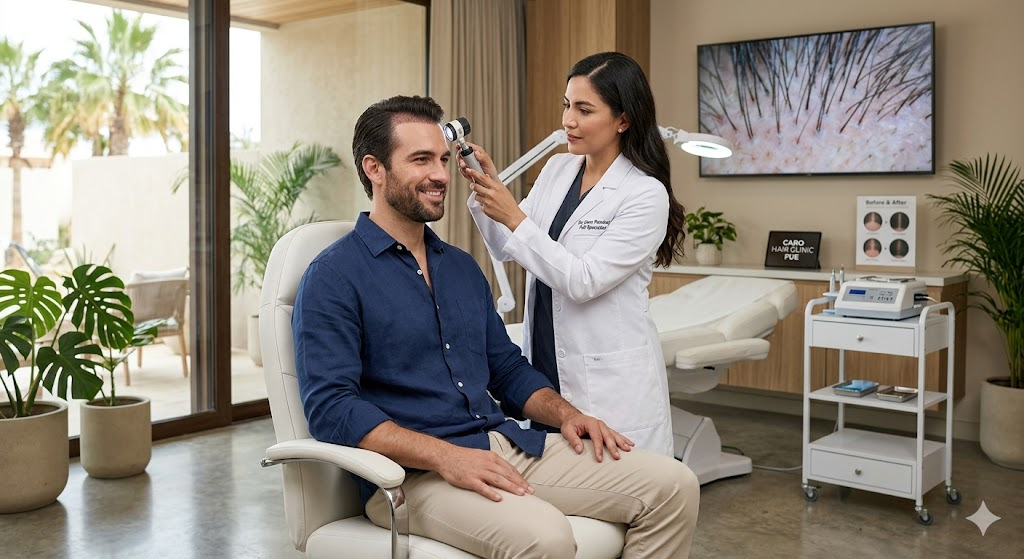
Choosing a hair transplant in Mexico can be a practical option. It suits patients who want natural-looking results, medical oversight, and lower prices than many U.S. clinics. Mexico offers modern FUE and DHI techniques, experienced doctors, and easier travel access for North American patients.
The right clinic should explain your hair loss pattern before surgery. It should also explain your donor capacity and graft count. It should outline the safety steps. It should review your recovery plan.
This guide explains what to expect, how pricing works, and how to choose a doctor-led clinic with confidence.
A complete article should cover FUE and DHI options, doctor experience, pricing, safety, recovery, donor-area planning, and patient follow-up. It should also compare Mexico City, Tijuana, and Monterrey, and explain how to choose a trustworthy clinic.
Key Takeaways
- A hair transplant in Mexico can offer modern FUE and DHI techniques at a lower cost than many U.S. clinics.
- The final cost depends on the number of grafts, donor-area quality, technique, clinic location, and doctor involvement.
- Patients considering FUE in Mexico should choose a clinic that explains graft planning, safety protocols, recovery, and follow-up care.
- Natural results depend on proper hairline design, careful graft handling, realistic density goals, and long-term donor-area planning.
Why Patients Consider Mexico for Hair Restoration
Mexico has become a major destination for medical tourism because patients can access hair transplant surgery at a lower cost without having to travel far.
For patients from the United States, cities like Monterrey, Tijuana, Cancun, and Mexico City may be easier to reach than overseas destinations. Travel time, language support, and access to follow-up care matter when choosing where to have the procedure.
A hair transplant in Mexico may appeal to patients seeking high-quality care without paying premium U.S. prices.
The best results depend less on the country and more on the medical team, planning, graft handling, and realistic expectations. A low price should never be the only reason to choose a clinic.
What Techniques Are Available?
Most modern hair transplant clinics in Mexico focus on FUE, DHI, or a variation of these methods. FUE follicular unit extraction removes individual follicular units from donor areas and places them into thinning or bald areas.
DHI uses an implantation pen to place grafts with direct control over angle, depth, and direction.
Common options include:
- FUE for hairline, crown, beard, and scar coverage.
- DHI for precise placement and density planning.
- Combination plans for patients who need broader restoration.
- Non-surgical hair loss treatments for early thinning.
Your doctor should explain which transplant technique fits your donor supply, hair caliber, goals, and stage of hair loss. A personalized plan helps protect the donor zone and improves the chance of a natural result.
How the Hair Transplant Procedure Works
A typical hair transplant procedure begins with a medical consultation, scalp evaluation, donor assessment, and hairline design.
The doctor estimates the number of grafts needed based on the treatment area and the safe achievable density. The procedure is usually performed with local anesthesia, so the patient remains awake but comfortable.
During FUE, individual hair follicles are extracted from donor areas, usually the back and sides of the scalp. Each hair graft must be handled carefully to ensure survival. The medical team then places grafts into the recipient sites according to the planned angle and direction.
Some patients search for fue in Mexico hair transplant procedures because they want to understand how FUE works in Mexican clinics.
The key point is simple: the method should protect the donor area, create natural density, and avoid overharvesting. Good planning matters as much as the technique itself.
How Much Is a Hair Transplant in Mexico?
Patients often ask how much a hair transplant in Mexico costs, because pricing is one of the main reasons they compare clinics. The answer depends on the number of grafts, the surgeon’s involvement, the clinic’s location, the technology used, and whether the package includes consultation, medications, or follow-up.
A small hairline case may cost less than a larger crown and frontal restoration.
Factors that affect hair transplant cost in Mexico include:
- Total graft count.
- FUE or DHI technique.
- Doctor-led versus technician-led care.
- Clinic reputation and safety standards.
- Follow-up support after surgery.
Hair restoration in Mexico costs should be reviewed carefully because lower pricing does not always mean better value. A clinic should explain what is included, who performs each step, and what happens if you need follow-up care.
Choosing the Right Clinic
Not all clinics offering hair transplants operate with the same standards. Some clinics may use strong marketing but provide limited doctor involvement. Others focus on careful planning, realistic density, and patient safety.
When comparing hair transplant clinics, look for:
- Clear medical evaluation before surgery.
- Transparent graft planning.
- A licensed doctor is involved in the procedure.
- Before-and-after examples with similar hair loss patterns.
- Written recovery and follow-up instructions.
A doctor-led approach can make the process safer and more predictable. In Monterrey, Dr. Antonio Aguilar is a good fit for patients seeking medical oversight, FUE planning, and treatment in San Pedro Garza García.
This type of setting can help patients avoid rushed decisions based only on price.
Mexico City, Tijuana, Cancún, or Monterrey?
Mexico offers several popular locations for hair restoration. Tijuana attracts patients from Southern California because of its border access. Mexico City has many cosmetic and medical providers, while Cancun is often marketed to patients combining treatment with travel.
Monterrey can be a strong option for patients who want a medical city with direct access from the United States. San Pedro Garza García is known for private healthcare, business travel, and modern medical services. For hair transplant candidates, the city can offer a more controlled experience than tourist-heavy destinations.
Clinics offering hair restoration in Mexico should focus on safety before convenience. Your decision should consider the doctor, surgical plan, follow-up process, and clinic setting. A top notch website is not enough if the medical details are unclear.
Recovery and Results Timeline
Recovery after a hair transplant is usually manageable, but patients need to follow instructions closely. Mild swelling, redness, and scabbing can occur during the first week. Most patients return to light activity within a few days, depending on their doctor’s advice.
The transplanted hairs often shed during the first several weeks. New growth usually starts gradually after a few months, with visible improvement over 6 to 12 months. Final density can take longer, especially in crown areas.
Aftercare often includes:
- Washing instructions.
- Medication guidance when prescribed.
- Avoiding sun exposure and heavy exercise early.
- Follow-up photos to track growth.
- Guidance on hair loss treatments for native hair.
Recovery support matters because surgery only moves existing follicles. Patients may still need medical therapy or maintenance plans to protect non-transplanted hair.
Safety and Legal Accuracy
Hair transplant surgery is a medical procedure, not a simple cosmetic service. Patients should confirm the clinic follows proper hygiene, consent, anesthesia, and emergency protocols. The doctor should explain possible risks such as infection, poor growth, scarring, shock loss, or unnatural density.
A safe clinic will not guarantee identical results for every patient. Hair type, donor supply, graft survival, scalp condition, and aftercare all affect the outcome. Clear expectations protect patients from misleading claims.
Advance hair planning should include both current hair loss and future thinning. A clinic that uses too many grafts in one session may limit options later. Donor conservation is one of the most important parts of long-term restoration.
Is Mexico a Good Choice?
A hair transplant in Mexico can be a strong choice when the clinic provides medical evaluation, careful planning, and honest pricing. Mexico offers access to modern techniques, experienced doctors, and lower costs than many U.S. providers.
Patients should compare more than price and ask who performs the extraction, design, implantation, and follow-up.
The best clinic will explain the treatment plan in simple terms and help you understand what is realistic. If you want natural results, prioritize doctor involvement, graft handling, donor-area safety, and post-procedure support.
That approach gives you a better chance of choosing care that fits your goals and protects your long-term hair restoration options.
Other Articles You May Find of Interest...
- Why Turkey Has Become a Global Destination for Advanced Dental Care
- How Clinics Screen International Patients for Plastic Surgery Safety
- Navigating Elective Rhinoplasty Abroad: Why UK Patients Are Weighing Turkey in 2026
- Who Should Consider a Health Checkup in China?
- 10 Skin Treatments Visitors May Consider When Exploring Bangkok
- Dental Tourism for Veneers: What to Consider When Choosing a Clinic or Platform
- Hair Transplant Clinics in Turkey: What to Compare in 2026