






More Pet Health Articles
Is Trazodone Safe for Cats? Exploring Benefits and Risks
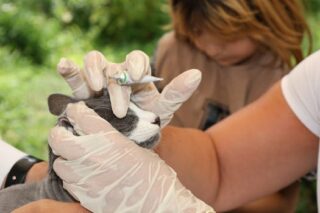
If you’re a cat owner, you’ve probably faced situations where your feline friend feels anxious or stressed. Situations such as moving to a new house, visiting the vet, or experiencing changes in the household can greatly affect your pet. In these scenarios, you might hear about trazodone for cats, a medication sometimes prescribed to help manage their stress and anxiety. But is it safe and effective? Let’s explore the potential benefits and risks of this medication for your pet.
Understanding Trazodone for Cats
Trazodone is a medication primarily used in humans to treat depression and anxiety. However, veterinarians sometimes prescribe it for cats to help manage anxiety and behavioral issues. The medication works by altering chemicals in the brain, leading to a calming effect that can be beneficial during stressful situations.
This medication can be particularly useful when planning for events likely to induce anxiety in cats, like a lengthy car ride or fireworks displays. While trazodone may not be effective for every cat, many pet owners report notable improvements in their cats’ demeanor after starting the treatment.
Benefits and Potential Side Effects
One of the primary benefits of using trazodone for cats is its ability to provide relief from stress and anxiety. This can improve your pet’s quality of life and make it easier for them to cope with situations they find challenging.
However, like any medication, trazodone comes with potential side effects. Some cats might experience digestive upset, sedation, or changes in appetite. It’s important to monitor your cat closely and consult your veterinarian if you notice any concerning symptoms.
You may also want to explore a revolutionary way to treat OCD, which might offer insights into novel anxiety treatments.
When to Seek Care
If your cat shows signs of anxiety that interfere with their daily life, it’s advisable to consult with a veterinarian. Signs might include excessive grooming, loss of appetite, or constant hiding. A veterinarian can assess your cat’s overall health and provide guidance on whether medications like trazodone are appropriate.
An immediate veterinary consultation is warranted if your cat experiences severe reactions, such as vomiting, diarrhea, or excessive lethargy, after starting trazodone.
Practical Considerations with Trazodone
When starting trazodone, it’s typically best to do so under a veterinarian’s guidance. Discuss any current medications your cat is taking to avoid interactions. Dosage adjustments might be necessary, and your vet will provide specific instructions on monitoring your cat for side effects.
Though trazodone is generally stopped before introducing other anxiety medications, this is a decision that should be made with professional input. Regular veterinary check-ins are important to ensure the medication continues to meet your cat’s needs.
How It Can Affect Your Daily Routine
Administering trazodone to your cat may require some adjustments in your daily routine. Ensuring your cat receives the medication at a consistent time can help maximize its effectiveness. Additionally, you might notice changes in your cat’s energy levels or behavior, which can impact playtime and feeding routines.
This adaptation period requires patience and attentiveness. Always prioritize your cat’s comfort and consult your vet if any concerns arise during this period.
External Resources
For more detailed information on trazodone and its use in pets, you may find resources like MedlinePlus helpful. These resources can provide further insights and help you make informed decisions about your pet’s care.
- Trazodone is used to manage anxiety and stress in cats.
- Consult your vet to determine if this medication is suitable for your pet.
- Be aware of potential side effects, such as digestive upset and sedation.
- Adjust your routine to accommodate your cat’s new medication schedule.
- Seek immediate veterinary care for severe side effects.
Common Questions
What behaviors in my cat might indicate anxiety?
Common signs of anxiety in cats include excessive grooming, hiding, loss of appetite, and changes in litter box habits. If you notice these symptoms, it might be worth consulting your vet.
Should I stop my cat’s other medications when starting trazodone?
Never stop any medications without consulting your veterinarian. Your vet can provide the best advice on how to safely manage your cat’s medication regimen.
How does trazodone compare to other treatments?
Trazodone is one option among several treatments for managing cat anxiety. While it may work well for some cats, others may benefit from different medications or therapies. Your veterinarian can determine the most appropriate treatment.
What if my cat becomes excessively lethargic on trazodone?
If your cat appears excessively lethargic, contact your veterinarian promptly. They may need to adjust the dosage or consider alternative treatments.
When should I consult the vet about trazodone dosage?
If you’re concerned that the dosage is too high or too low, it’s important to consult your veterinarian. They can reassess and modify the prescription as needed to ensure your pet’s safety and comfort.
In conclusion, trazodone for cats can be a helpful tool in managing stress and anxiety, but it’s essential to use it responsibly and under veterinary guidance. For enduring anxiety issues or if you have concerns about your cat’s behavior, seek a professional evaluation.
Other Articles You May Find of Interest...
- The Health Benefits of Pet Ownership for Small-Space and Senior Living
- 5 Pet Symptoms That May Warrant Urgent Veterinary Care
- What to Do After a Dog Bite Injury
- Hypoallergenic Cat Breeds: What Allergy Sufferers Should Know Before Adopting
- Keeping Pets Safe in Homes Where Cannabis Products Are Present
- Is Manuka Honey Good for Dogs?
- Is Your Dog Waking Up Stiff? 5 Signs Their Bed May No Longer Be Supportive





