






More Home Care & Wellness Products Articles
30kWh Battery Guide: How Home Battery Systems Protect Households During Power Outages
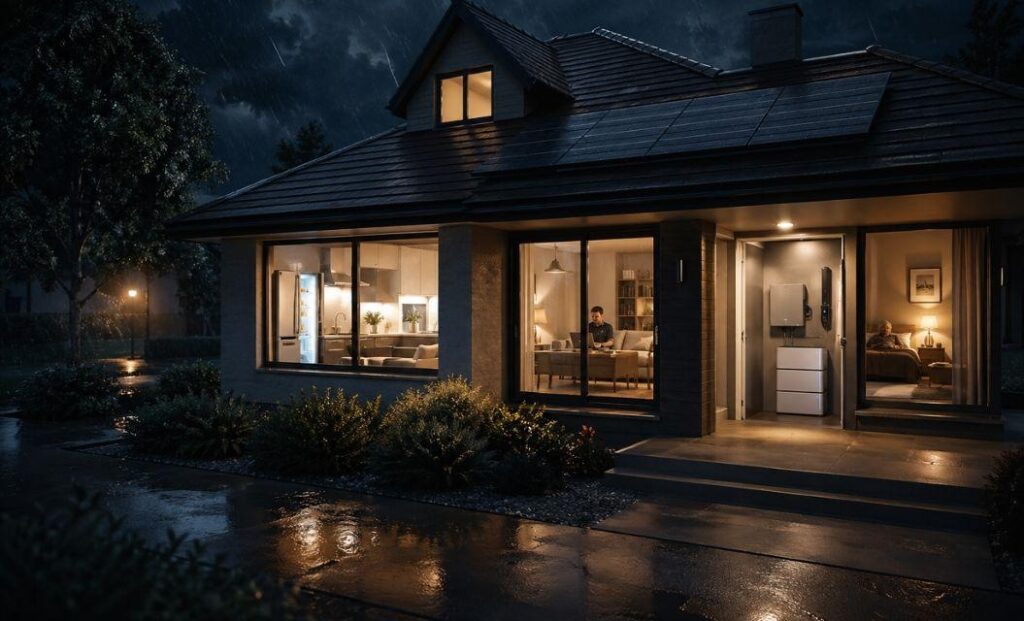
Why Power Outages Are Becoming a Serious Household Risk
Power outages are no longer occasional disruptions—they are becoming more frequent due to extreme weather, aging infrastructure, and rising energy demand. For many households, especially those with vulnerable family members, losing electricity is more than an inconvenience.
When power goes out, essential systems stop working. Refrigerators warm up, communication is interrupted, and homes can quickly become uncomfortable or unsafe. For people relying on powered medical devices, even a short outage can create urgent risks.
Because of this, more homeowners are turning to battery storage systems as a reliable way to maintain stability during uncertain situations.
Keeping Refrigerators and Medication Safe
One of the first concerns during a power outage is food safety. A refrigerator without power can only maintain a safe temperature for a limited time. After several hours, perishable food may need to be discarded.
For households that store temperature-sensitive medication, the situation is even more critical. Certain medicines must remain within a specific temperature range to remain effective. Losing them can have serious health consequences.
A home battery system allows refrigerators to continue operating during outages, helping protect both food supplies and essential medications without interruption.
Powering Medical Devices and Staying Connected
Many households depend on electrical devices for health and daily living. Equipment such as CPAP machines, oxygen concentrators, and mobility aids require continuous power to function properly.
In the event of an outage, losing access to these devices can be dangerous. A battery system provides a stable backup, ensuring that critical equipment continues to operate when it is needed most.
In addition, maintaining internet access has become increasingly important. Whether for remote work, emergency updates, or staying in contact with family, keeping routers and communication devices powered adds another layer of security during outages.
Supporting Older Adults During Storms and Emergencies
Power outages can be especially challenging for older adults. Darkness increases the risk of falls, while the loss of fans, cooling, or heating can create uncomfortable or even unsafe living conditions.
With a battery system in place, lighting remains available and essential appliances continue to function. This helps maintain a safer indoor environment and reduces the likelihood of accidents or health complications during extended outages.
For families with elderly members, having backup power is not just convenient—it is a practical safety measure.
Reducing Stress and Maintaining Normal Life
Beyond physical risks, outages also bring uncertainty. Not knowing how long power will be unavailable or which systems will fail next can create anxiety.
A home battery system helps eliminate that uncertainty. When the grid goes down, the system automatically switches to stored energy. There is no need for manual setup, fuel management, or emergency adjustments.
This smooth transition allows households to continue daily routines with minimal disruption, reducing stress and providing peace of mind.
Is a 30kWh Battery Enough for a Typical Home?
A 30kWh battery offers a practical balance between capacity and usability for most households. It is generally sufficient to power essential appliances such as refrigerators, lighting, internet equipment, and small electronics for an extended period.
In many cases, this level of storage can support core household needs for 24 to 48 hours, depending on how energy is managed. By focusing on essential usage rather than running all appliances at once, homeowners can extend battery life during outages.
A 30 kWh solar battery is often considered suitable for families who want reliable backup power without oversizing their system.
Understanding Basic Household Energy Use
Having a general idea of how much electricity common appliances use can help homeowners make informed decisions.
Essential items like refrigerators, lighting, and internet routers consume relatively low amounts of energy compared to high-demand appliances. Devices such as air conditioners or electric heaters require significantly more power and may need to be used selectively during outages.
By prioritizing critical systems, a battery can provide reliable support without requiring excessive capacity.
What to Consider Before Installing a Home Battery
Choosing the right battery system depends on individual needs and living conditions. Before installation, homeowners should take time to evaluate their priorities.
It is important to understand daily energy usage and identify which appliances must remain operational during an outage. Considering how long backup power should last is also key, especially in areas prone to longer disruptions.
Homeowners should also look for systems with strong safety features, stable performance, and simple monitoring options. A well-designed system should be easy to manage while delivering consistent reliability when it matters most.
How Modern Battery Systems Improve Home Resilience
Modern battery systems are designed to work automatically and efficiently. They can detect power outages and switch on without user intervention, ensuring a seamless transition from grid power to stored energy.
Many systems can also integrate with solar panels, allowing homeowners to store excess energy during the day and use it later. This is especially beneficial for homes using a 30kW solar system with battery, where efficient storage ensures generated solar energy is not wasted and remains available during nighttime or outages.
These features make battery storage a practical solution for households looking to improve both energy reliability and long-term resilience.
Conclusion
Home battery systems are becoming an essential part of modern household planning. They do more than provide backup electricity—they help protect food, preserve medication, support medical devices, and maintain a safe living environment during power outages.
A 30kWh battery offers enough capacity for most homes to keep essential systems running and reduce the stress that comes with unexpected disruptions. By understanding energy needs and choosing a reliable solution, homeowners can create a more secure and stable living environment.
As power interruptions become more common, investing in a home battery system is a practical step toward safety, preparedness, and peace of mind.
Final Note
If you are considering a home battery system, start by assessing your household’s essential energy needs and speaking with a qualified installer. Asking the right questions and planning ahead can help you choose a system that provides reliable support when it matters most.
Look for a dependable LiFePO4-based solution such as the Avepower 30kWh battery system, designed to support stable backup power for modern homes without compromising safety or long-term performance.
FAQ
1. What is a 30kWh battery used for in a home?
A 30kWh battery is used to store electricity for backup power during outages or for later use. It can run essential household appliances such as refrigerators, lights, internet routers, and medical devices when the grid is unavailable.
2. How long can a 30kWh battery power a house?
The runtime depends on energy usage. On average, a 30kWh battery can support essential household needs for about 24 to 48 hours. If only critical devices are used, it can last even longer.
3. What appliances can a home battery system support during an outage?
A home battery system can typically power refrigerators, lighting, Wi-Fi routers, fans, CPAP machines, and small electronics. High-power appliances like air conditioners can be used, but they reduce backup time significantly.
4. Is a 30kWh battery enough for a solar-powered home?
Yes, a 30kWh battery is suitable for many solar-powered homes. It stores excess energy generated during the day and makes it available at night or during outages, improving overall energy efficiency.
5. What is the difference between a solar battery and a generator?
A solar battery stores clean energy silently and requires no fuel or maintenance during operation. A generator runs on fuel, produces noise, and needs regular maintenance. Batteries are generally more efficient and environmentally friendly for long-term use.
Other Articles You May Find of Interest...
- The Kitchen Upgrade Every Parent Should Consider
- Art in Your Home Can Reduce Stress: The Science and the Strategy
- Why a Long Driveway Gate Can Shape Accessibility, Safety, and Healthy Home Living
- The Health Benefits of Professional Home Cleaning: What Medical Research Reveals About Indoor Environment Quality
- Moving Into a New House? Why a Water Quality Check Should Be Your First Step
- How Cleanliness Creates a More Comfortable and Healthier Home
- Planning a Home Sauna to Share
Featured Doctors and Practices





