More Women's Health & Beauty Articles
Navigating the Challenges of PCOS and Endometriosis for Healthier Living
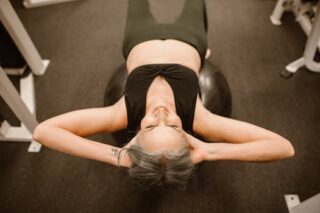
Living with both PCOS and endometriosis can feel like a constant juggling act. Women often dismiss their pelvic pain as “normal” or feel overwhelmed by fluctuating symptoms that seem to have no rhyme or reason. These conditions frequently coexist, making it even more challenging to identify and manage symptoms effectively. But understanding the symptoms and treatments available can empower individuals to manage their health better.
PCOS and Endometriosis: A Complex Duo
Polycystic Ovary Syndrome (PCOS) and endometriosis are distinct yet sometimes overlapping conditions rooted in hormonal imbalances and reproductive health issues. PCOS often leads to irregular periods, excess androgen levels, and polycystic ovaries, while endometriosis involves the growth of uterine-like tissue outside the uterus, causing significant pain and fertility challenges.
Impact on Daily Life
The symptoms of PCOS and endometriosis can disrupt daily activities, from planning a simple day out to managing a demanding work schedule. Chronic pain, fatigue, and the emotional toll of dealing with fertility concerns can weigh heavily on individuals, affecting both mental health and relationships.
Successfully Managing Symptoms
Effective management often requires a multifaceted approach. Diet and lifestyle changes, like increased physical activity and a balanced diet, have been shown to alleviate some symptoms. While these conditions can’t be cured, they can be managed effectively with a tailored treatment plan developed with healthcare professionals.
For some women with PCOS, medications such as metformin can assist in regulating menstrual cycles and improving insulin resistance. Always consult a clinician to determine the most suitable plan for your unique needs.
Understanding Treatment Options
Treatment for PCOS may include hormonal birth control to manage menstrual irregularities and anti-androgens like spironolactone to control excess hair growth. For endometriosis, doctors may recommend pain relief medications or hormonal therapies to reduce endometrial tissue growth.
Decision-making about these treatments should be guided by a healthcare professional, considering symptoms, age, and fertility goals. Some treatments, like hormonal therapies, require careful monitoring to manage side effects such as mood changes or weight gain effectively.
When to Seek Care
If you’re experiencing debilitating pain, extremely irregular periods, or have difficulty getting pregnant, it’s time to consult a healthcare provider. A gynecologist or a reproductive endocrinologist can provide specialized care, including diagnostic procedures like ultrasound or laparoscopy to confirm a diagnosis.
Medication Considerations
A common concern about medication usage for PCOS and endometriosis revolves around whether stopping one medication before starting another is necessary. Generally, transitions should be managed under a doctor’s supervision. Side effects can vary; some may diminish over time, while others may signal the need for a dosage adjustment. Open communication with your doctor about any side effects can prevent complications and ensure effective symptom management.
Consult your healthcare provider about specific symptoms like severe headaches or mood changes, which might suggest dosage alterations are required.
Additional Resources
For further information on managing these conditions and obtaining support, consider trusted sources like the Mayo Clinic, which offer in-depth resources on reproductive health topics, including PCOS and endometriosis. Additionally, patient advocacy groups can provide community support and advice.
- PCOS and endometriosis often present overlapping symptoms but require tailored management plans.
- Integrating lifestyle changes with medical treatments can improve quality of life.
- Regular consultations with healthcare providers are crucial for effective management.
- Seek expert guidance when experiencing severe or unmanageable symptoms.
- Understanding your options empowers you to make informed health decisions.
Common Questions
When should I see a doctor for PCOS and endometriosis symptoms?
Seek medical advice if you experience severe pelvic pain, irregular menstrual cycles, or are facing infertility issues.
What type of healthcare provider treats these conditions?
Gynecologists and reproductive endocrinologists specialize in diagnosing and treating PCOS and endometriosis.
Can lifestyle changes improve symptoms?
Yes, lifestyle modifications such as a balanced diet and regular exercise may help alleviate some symptoms and improve overall well-being.
Are there specific medications that can help manage PCOS symptoms?
Yes, medications like oral contraceptives and insulin-sensitizers like metformin may be used to regulate periods and manage symptoms.
What should I ask my doctor about new treatments?
Ask about potential side effects, how long you’ll need to take them, and how they may affect your overall treatment plan.
Coping with PCOS and endometriosis can be challenging, but understanding your body and seeking professional guidance can pave the way for healthier living.
Other Articles You May Find of Interest...
- Can Bifidobacterium Bacteria Help Your Vagina?
- 5 Common Reproductive Health Concerns and When to Seek Care
- Postpartum Health & C-Section Recovery
- What Breast Pain Usually Means, and Rarely Does
- Stretch Mark Treatments: A Pregnancy-First Guide for Expecting Moms
- When Should You Seek a Second Opinion for a Gynaecological Condition?
- The Brain Fog of Menopause Is Real and Does Not Necessarily Mean Early Dementia