






More Women's Health & Beauty Articles
Is It Possible to Have Preeclampsia Without High Blood Pressure?
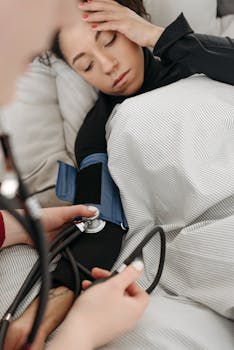
Amanda was nearing the end of her pregnancy when she started experiencing sudden swelling in her hands and face. Without any history of high blood pressure, she was surprised to learn from her doctor that she had preeclampsia. This leads many to wonder, can you have preeclampsia without high blood pressure?
Can You Have Preeclampsia Without High Blood Pressure?
Preeclampsia is traditionally associated with high blood pressure, but it’s important to recognize that its symptoms can vary widely. Some women might experience preeclampsia with only mild elevations in blood pressure or with other symptoms such as severe headaches, changes in vision, and upper abdominal pain. These symptoms can make daily activities quite challenging and uncomfortable.
Potential Symptoms and Signs
Aside from elevated blood pressure, preeclampsia can present with various symptoms such as:
- Swelling in the face and hands
- Sudden weight gain
- Protein in the urine
- Headaches
- Vision changes
- Nausea or vomiting
- Lower back or low rib cage pain
Every pregnant woman should be aware of these signs and discuss any concerns with her healthcare provider, regardless of her blood pressure readings. Ignoring or misunderstanding these symptoms can lead to complications for both the mother and the baby.
Risk Factors and Causes
The exact cause of preeclampsia remains unclear, but several risk factors are known to increase the likelihood of developing this condition:
- First-time pregnancy
- Previous history of preeclampsia
- Obesity
- Multiple pregnancies (twins, triplets, etc.)
- Maternal age of 35 or older
- Existing conditions such as hypertension or diabetes
While these factors may contribute to the risk, preeclampsia can develop in any pregnancy. More information about potential risks and factors can be found on Mayo Clinic.
Impact on Everyday Life
Preeclampsia can interfere significantly with daily life. Activities that were once manageable, such as walking or climbing stairs, can become exhausting and painful due to swelling and discomfort. Expectant mothers might need to slow down their routine significantly, prioritize rest, and attend frequent medical appointments to monitor their condition.
When to Seek Care
Immediate medical evaluation is essential if you notice symptoms such as severe headaches, vision changes, or sudden swelling in the face and hands. Obstetricians and maternal-fetal medicine specialists are typically the healthcare providers who diagnose and manage preeclampsia. Early detection and treatment are crucial for protecting the health of both the mother and the child.
Questions to Ask Your Doctor
If you suspect you have preeclampsia or have concerns over the symptoms you are experiencing, consider asking your doctor these questions during your appointment:
- What specific symptoms should I watch out for?
- How can we monitor my blood pressure and other vital signs at home?
- What steps can I take to manage my symptoms?
- Will preeclampsia affect my delivery plan?
- How will preeclampsia impact my baby?
Your healthcare provider can customize advice and provide more information based on your personal health history.
Takeaways
- Preeclampsia can occur without high blood pressure being detected initially.
- Common symptoms include proteinuria, swelling, vision changes, and headaches.
- Seek medical attention for any concerning symptoms during pregnancy.
- Risk factors may increase the likelihood of developing preeclampsia.
- Consult your healthcare provider for personalized care and monitoring.
Common Questions
Can you get preeclampsia without high blood pressure at first?
Yes, some women may develop other symptoms of preeclampsia before a noticeable increase in blood pressure occurs. Regular prenatal visits are essential for monitoring these symptoms.
What type of provider should I see for preeclampsia concerns?
An obstetrician or maternal-fetal medicine specialist typically oversees the care of pregnancies affected by preeclampsia. They can guide diagnosis and management tailored to your individual needs.
How can preeclampsia be prevented or managed?
While there’s no guaranteed prevention, maintaining a healthy lifestyle, attending regular check-ups, and adhering to any prescribed medication or dietary plans can help manage risk factors.
Does preeclampsia affect future pregnancies?
Preeclampsia in one pregnancy may increase the risk in future pregnancies. Discuss your past medical history with your healthcare provider for better management in subsequent pregnancies.
Are there long-term effects after preeclampsia?
For some women, preeclampsia might increase the risk of cardiovascular diseases later in life. Ongoing health monitoring post-pregnancy is vital to address and mitigate these risks effectively.
If you’re curious about how other health concerns can impact fertility and pregnancy, explore our article on Beyond Fertility for more insights.
Can you have preeclampsia without high blood pressure? Indeed, but remaining vigilant about your symptoms and engaged with healthcare professionals ensures both your safety and the safety of your baby.
Other Articles You May Find of Interest...
- The Science Of Firmer, More Radiant Skin
- How Acupuncture Supports Women’s Health
- Women and Gorgeous Smiles
- The Forgotten Pillar Of Total Wellness
- Menopause at Work: Why Women’s Health Is Becoming a Workplace Issue
- Heavy Menstrual Bleeding: Common Causes, Warning Signs and When to See a Gynecologist
- Low Albumin During Pregnancy: Common Causes and When It Matters





