More Women's Health & Beauty Articles
Unlocking the Secrets of Fasting Insulin Levels for Better Health
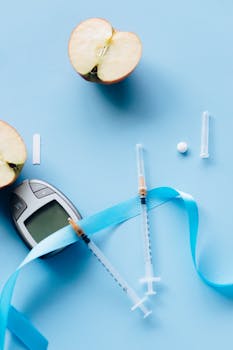
Understanding your fasting insulin level can unlock powerful insights into your overall health. This measurement, typically taken after an overnight fast, reflects how much insulin your pancreas is producing to manage blood sugar levels. Generally, insulin helps to keep blood glucose levels stable by facilitating the uptake of glucose by cells for energy or storage. However, when fasting insulin levels are too high or too low, it may indicate various health concerns such as insulin resistance or even type 2 diabetes. Monitoring your fasting insulin level can provide actionable insights into your metabolic health and guide lifestyle changes for better health outcomes.
The Importance of Fasting Insulin Levels
Measuring fasting insulin levels is crucial as it offers a snapshot of your body’s ability to regulate glucose. Elevated fasting insulin levels could be a sign of insulin resistance, where your body’s cells don’t respond properly to insulin, leading to higher levels in the bloodstream. Over time, this can escalate to pre-diabetes or type 2 diabetes. By identifying these issues early, you can take steps—through diet, exercise, and sometimes medication—to enhance insulin sensitivity and balance your blood sugar levels effectively.
Managing Insulin Sensitivity
Many lifestyle changes can positively affect insulin sensitivity. Maintaining a balanced diet rich in whole foods, such as fruits, vegetables, lean proteins, and whole grains, can help. Regular physical activity also plays a vital role in enhancing insulin sensitivity and lowering fasting insulin levels. A combination of aerobic exercises and strength training has been shown to be particularly effective.
Additionally, managing stress and ensuring adequate sleep are often overlooked but essential factors in maintaining healthy insulin levels. High stress and poor sleep can lead to hormonal imbalances that may impact insulin production and effectiveness.
Understanding Fasting Insulin Test Results
A fasting insulin test typically requires you to fast for 8-12 hours before blood is drawn. Results are usually measured in micro-international units per milliliter (μIU/mL). Normal fasting insulin levels vary, but they usually fall between 2-20 μIU/mL. However, optimal levels often lie on the lower end of this spectrum.
If your results are outside the normal range, your healthcare provider might recommend further testing or lifestyle modifications. High fasting insulin levels might necessitate a closer look at diet, physical activity, and possibly the introduction of medication to improve glucose metabolism.
For more detailed strategies regarding weight control and maintaining optimal insulin levels, you might find practical guidance in our article on safe and effective weight loss approaches.
Tools for Monitoring and Improving Insulin Levels
Various tools and technologies can help you monitor your fasting insulin levels and manage your health proactively. Continuous glucose monitors (CGMs) provide real-time insights into your glucose levels, allowing you to see how different foods and activities impact your blood sugar.
Healthcare providers might also recommend lab tests periodically to keep an eye on fasting insulin and other metabolic markers. Personalized nutrition and exercise plans, sometimes guided by a healthcare professional, can also be effective in helping you achieve and maintain optimal insulin levels.
Relevance to Overall Health
Your fasting insulin level is more than just a number; it represents a gateway to understanding your metabolic health. Insulin plays a critical role in various bodily functions, and keeping it in balance is vital not only for preventing diabetes but also for reducing the risk of heart disease and optimizing weight management.
For further reading on insulin and related health topics, consider exploring resources like those available at Wikipedia to expand your understanding of this complex but important subject.
In conclusion, understanding and monitoring your fasting insulin level can offer profound insights into your health and guide you towards effective lifestyle improvements. Whether you’re managing a chronic condition or simply aiming to optimize your wellness, paying attention to insulin levels can be pivotal.
- Fasting insulin levels offer important insights into metabolic health.
- High insulin levels could indicate insulin resistance or risk of diabetes.
- Lifestyle changes, like diet and exercise, positively impact insulin sensitivity.
- Regular monitoring of insulin is key for preventive health care.
- Consult healthcare professionals for personalized advice and guidance.
Frequently Asked Questions
What is a normal fasting insulin level?
Normal fasting insulin levels typically range from 2-20 μIU/mL. However, lower levels within this range are often considered more optimal for health.
What are high fasting insulin levels a sign of?
High fasting insulin levels could indicate insulin resistance, which is a risk factor for type 2 diabetes and cardiovascular disease.
How can I naturally lower my fasting insulin levels?
Adopting a diet rich in whole foods, increasing physical activity, managing stress, and ensuring adequate sleep can all help lower fasting insulin levels naturally.
What is the difference between insulin and glucose tests?
An insulin test measures the level of insulin in your blood, while a glucose test measures the sugar (glucose) levels. Both tests are often used together to assess metabolic health.
Can fasting insulin levels indicate pre-diabetes?
Yes, high fasting insulin levels can be an early indicator of insulin resistance, which may precede the development of pre-diabetes.
Other Articles You May Find of Interest...
- Discharge vs. Amniotic Fluid: How to Tell the Difference
- The Health Benefits Of Slowing Down
- When Taking Care Of Everyone Else Becomes Too Much
- A Partner For Peace
- Nervous About Seeing a Vulvar Specialist? What Your First Visit May Involve
- Vaginal Rejuvenation Devices: What They Promise and What Evidence Shows
- Can Sperm Affect a Home Pregnancy Test Result?