More Hair Care Articles
Postpartum Hair Loss: Duration, Causes, and Solutions
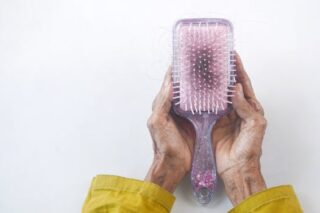
Many new mothers experience postpartum hair loss, a common yet temporary condition. So, how long does postpartum hair loss last? Typically, new mothers see shedding begin around two to four months after giving birth, and it can continue for up to six months or even longer for some. This period can be distressing, but understanding the causes and potential solutions can provide reassurance.
Understanding How Long Postpartum Hair Loss Lasts
Postpartum hair loss, also known as telogen effluvium, occurs as the body adjusts from pregnancy to the postpartum stage. During pregnancy, increased levels of estrogen prolong the growth phase of hair, resulting in thicker, fuller hair. After childbirth, estrogen levels drop, causing hair to enter the shedding phase. Generally, this temporary hair loss resolves within six months to a year.
Causes of Postpartum Hair Loss
While hormonal changes are the primary driver of postpartum hair loss, other factors may contribute to the condition. For instance, stress, lack of sleep, and poor nutrition during the early months of motherhood can exacerbate hair shedding. Additionally, some medical conditions, such as thyroid imbalances, can also play a role. If hair loss seems excessive, consulting a healthcare provider is advisable.
Solutions and Tips for Managing Postpartum Hair Loss
Although postpartum hair loss is a temporary condition, there are several strategies to manage it effectively.
- Maintain a Healthy Diet: A balanced diet rich in vitamins and minerals supports overall hair health. Incorporating foods high in iron, zinc, and vitamins such as B12 and D can be particularly beneficial.
- Gentle Hair Care: Use a wide-toothed comb to minimize breakage and avoid tight hairstyles that pull on the scalp. Also, consider using gentle, sulfate-free shampoos and conditioners.
- Receive Regular Trims: Regular trims can help maintain hair health by removing split ends and reducing breakage.
- Manage Stress: Practicing stress-reducing techniques, such as yoga or meditation, can help mitigate the impact of stress on hair loss.
- Consult a Healthcare Provider: If hair loss is severe or persists beyond a year, seeking medical advice is critical to rule out underlying medical conditions.
Addressing lifestyle factors such as diet and stress is crucial for overall wellbeing, and further information on such topics can be found here. By making informed lifestyle choices, new mothers can support their health and hair recovery during the postpartum period.
When to Seek Professional Advice
While postpartum hair loss is common, if you are concerned about the extent or duration of your hair shedding, it is advisable to consult a healthcare professional. They can evaluate whether additional factors contribute to hair loss, such as anemia or thyroid disorders, and recommend appropriate treatment options.
Conclusion: How Long Does Postpartum Hair Loss Last?
In conclusion, the question “how long does postpartum hair loss last” can vary from one individual to another. Most new mothers experience shedding between two to six months post-delivery, with hair typically returning to its pre-pregnancy state within a year. With proper care and attention, this temporary condition can be managed effectively, and individuals can work towards recovering their hair’s health and fullness.
- Postpartum hair loss is temporary and typically resolves within a year.
- Hormonal changes primarily cause the shedding of hair after childbirth.
- Maintain a balanced diet and gentle hair care routine to support hair recovery.
- Consult a healthcare provider if hair loss persists beyond a year or seems excessive.
- Stress management can help in reducing the impact of postpartum hair loss.
Is postpartum hair loss preventable?
While postpartum hair loss cannot be entirely prevented, maintaining a balanced diet and reducing stress can help minimize its severity.
What are the key nutrients for supporting hair health postpartum?
Key nutrients that support hair health include iron, zinc, and vitamins such as B12, D, and E. These can help strengthen hair and prevent excessive shedding.
Are there medications available for postpartum hair loss?
Generally, medications are not recommended for postpartum hair loss as it is a temporary condition. However, if underlying medical issues are identified, a healthcare provider may suggest specific treatments.
How can I distinguish between normal postpartum shedding and hair loss due to a medical issue?
If hair shedding is severe, persists beyond a year, or is accompanied by other symptoms such as fatigue or weight changes, it is advisable to consult with a healthcare provider to assess for medical conditions.
What role does stress play in postpartum hair loss?
Stress can exacerbate hair loss after childbirth. Implementing stress management techniques, such as regular exercise, meditation, and ensuring adequate rest, can help reduce its impact.
For more detailed information on the subject, you can visit this link.
Other Articles You May Find of Interest...
- How Long Does Rosemary Oil Take to Grow Hair?
- How Alopecia Areata, Totalis, and Universalis Differ in Progression and Unpredictability
- Is a Hair Transplant Worth the Cost? What to Consider First
- Why Leg Hair Can Grow Curly, Kinked, or Suddenly Different
- A Widening Part: The First Sign of Thinning Hair
- No-Shave FUE: A Less Invasive Approach To Hair Transplant Surgery
- What to Look for in a Transparent, Doctor-Led Hair Transplant Clinic