






More Vision & Eye Care Articles
What Do Dilated Pupils Indicate About Your Health?
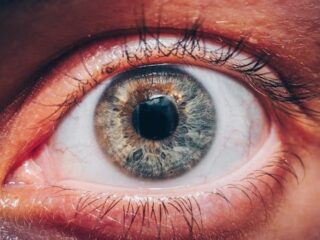
Understanding the body’s signals can provide clues about one’s health, and eye changes are among them. A common question people have is, what do pupils dilated mean? Pupils naturally fluctuate in size, responding to light, mood, and other stimuli. However, significant or persistent dilation can indicate various health conditions. This article delves into the possible reasons behind dilated pupils and what they might signify about your health.
What Do Pupils Dilated Mean?
Dilated pupils, also known as mydriasis, occur when the black circles in the center of your eyes expand beyond their normal size. This phenomenon can result from both physiological and pathological factors. While it is common for pupils to dilate in low light conditions, indicating the eye’s natural adjustment to allow in more light, they may also dilate due to other causes, which might require medical attention.
Potential Causes of Pupil Dilation
To comprehensively understand what do pupils dilated mean, it’s essential to explore the various potential causes. Often, pupil dilation is a normal response, yet it may also be a sign of underlying health issues.
1. Reaction to Light
The most familiar cause of dilated pupils is a response to changes in light. In dim lighting, pupils naturally enlarge to let in more light and improve vision. This automatic adjustment is crucial for maintaining optimal visual clarity.
2. Emotional Responses
Emotions such as excitement, fear, or attraction can lead to pupil dilation. The autonomic nervous system controls this, responding to emotional stimuli by releasing adrenaline, which results in temporary dilation.
3. Medications
Several medications, including those used for treating allergies, depression, or anxiety, can cause pupils to dilate. Antihistamines, antidepressants, or various eye drops are known to induce mydriasis. It is essential to review the side effects of any medication you are taking and consult a healthcare provider for guidance if you notice prolonged changes in your pupil size.
For more on how lifestyle and medication impact health, see this article on lifestyle choices and health.
4. Neurological Issues
In certain cases, dilated pupils could signal neurological problems. Conditions such as brain trauma, stroke, or tumor can affect the nerves controlling the eyes, leading to abnormal pupil dilation. Immediate medical evaluation is recommended if you suspect a neurological cause.
5. Substance Use
Alcohol and illicit substances can significantly impact pupil size. Drugs such as stimulants, hallucinogens, or opioids may cause temporary or sustained changes. Understanding the risks of substance use is crucial for recognizing how it might affect ocular health and overall well-being.
When to Seek Medical Advice
While occasional pupil dilation might not be alarming, persistent or accompanied by other symptoms could warrant a visit to a healthcare professional. Some concerning signs include:
- Persistent dilation unresponsive to light changes.
- Accompanying symptoms such as headache, confusion, or visual disturbances.
- Any head injury followed by pupil changes.
If you notice these, it is crucial to consult a healthcare provider to rule out possible medical conditions impacting neurological health. For further reading on general eye health and mydriasis, you may refer to this educational resource.
Final Thoughts on What Do Pupils Dilated Mean
In summary, what do pupils dilated mean varies significantly depending on factors ranging from environmental to medical. Dilated pupils can occur naturally in dim light or emotional situations, but they may also signal medication effects or more severe health issues. Being aware of your body’s signals and understanding when to seek consultation is essential for maintaining optimal eye health and overall well-being.
- Pupil dilation can result from light changes, emotions, or medications.
- Substance use may also cause mydriasis.
- Persistent dilation may indicate a neurological issue.
- Consult a healthcare provider if dilation is accompanied by other symptoms.
- Education about eye health supports overall well-being.
What are common causes of dilated pupils?
Common causes include low light, emotional changes, certain medications, and substance use. More severe causes might include neurological issues such as trauma or disease.
Do dilated pupils always indicate a health problem?
No, dilated pupils are often a normal response to light or emotions. However, if persistent or associated with other symptoms, it may indicate a health issue that requires medical attention.
How does drug use affect pupil dilation?
Drugs can cause pupils to either dilate or constrict significantly depending on the substance. For instance, stimulants and hallucinogens typically cause dilation, whereas opioids may lead to constricted pupils.
Can stress cause pupil dilation?
Yes, stress and anxiety can stimulate the autonomic nervous system, leading to temporary pupil dilation as part of the body’s fight-or-flight response.
When should I see a doctor about dilated pupils?
Seek medical attention if you have persistent dilation not related to light or emotional changes, especially if accompanied by symptoms such as headaches or vision problems. A healthcare provider can determine if there’s an underlying condition that needs attention.
Other Articles You May Find of Interest...
- Ortho-K for Children: What Parents Should Know About Myopia Management
- Eyelashes Growing Every Which Way: Causes and Fixes
- Andrew Ting Explains How AI-Powered Retina Scans Can Support Earlier Detection
- Battling With Eye Strain? 5 Signs You Should Get an Eye Exam Quickly
- Can Cataracts Get Worse If You Wait Too Long for Surgery?
- Is Zinc Good for Your Eyes? The AREDS Evidence
- Is Contact Solution the Same as Saline?




