More Pain Management & Rehabilitation Articles
Relieve Abdominal Pain Naturally with a Heating Pad
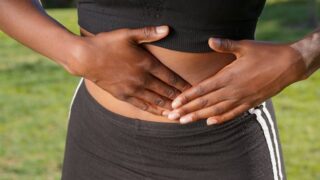
If you have ever experienced abdominal pain, you know how discomforting it can be. A gentle and effective method commonly recommended for relief is using a heating pad for abdominal pain. Let’s explore how this simple solution can provide comfort and why it might be a choice worth considering.
Understanding Heating Pad for Abdominal Pain
When you’re dealing with abdominal pain, whether it’s due to menstrual cramps, digestive issues, or muscle strain, applying heat can be soothing. The warmth from a heating pad helps to improve blood flow to the area, which in turn can relax tight muscles and ease pain sensations. This method is a non-invasive and drug-free option that many find invaluable for pain management.
Incorporating a heating pad into your routine can not only alleviate pain but also promote relaxation, helping to reduce stress. However, it’s important to use it correctly to avoid burns or irritation to the skin.
Benefits of Using a Heating Pad
Using a heating pad for abdominal pain offers several benefits. One of the primary advantages is its ability to increase circulation. Improved blood flow can enhance the delivery of nutrients and oxygen to the affected regions, supporting faster healing and reducing inflammation.
- Muscle Relaxation: Heat can effectively loosen tight or strained muscles in the abdominal area.
- Pain Relief: The warmth disrupts pain signals traveling to the brain, providing a natural way of reducing discomfort.
- Improved Digestive Function: For some individuals, applying warmth can help ease digestive troubles by relaxing the muscles of the gastrointestinal tract.
Proper Use of a Heating Pad
While a heating pad is generally safe for most people, it’s important to follow specific guidelines when using one. Here are some tips to ensure you use it safely:
- Never apply a heating pad directly to the skin. Use a cloth barrier to protect from potential burns.
- Limit use to 15-20 minutes at a time, allowing your skin to rest between applications.
- Opt for low to medium heat settings to avoid overheating the area.
- If your heating pad comes with safety features such as an automatic shut-off, make sure they are enabled.
These precautions will help maximize the benefits while minimizing any risk of skin damage.
When to Seek Medical Advice
While a heating pad for abdominal pain can be a practical solution for many, persistent or severe abdominal pain may indicate a more serious issue. Conditions such as appendicitis, gallstones, or ulcers require medical attention. If pain does not improve or you experience accompanying symptoms such as fever, nausea, or intense discomfort, it is vital to consult a healthcare professional.
In some instances, certain mineral imbalances can contribute to abdominal discomfort. Understanding the underlying causes of your symptoms can be critical. You can learn more about related conditions by exploring our detailed article on gastroenterology symptoms.
Additional Natural Methods for Abdominal Pain Relief
Alongside using a heating pad, there are several other natural methods you might consider for alleviating abdominal discomfort:
- Herbal Teas: Certain herbal teas, like peppermint or chamomile, are known to soothe the digestive system.
- Diet Adjustments: Keeping a food diary can help identify food intolerances or dietary triggers.
- Light Exercise: Gentle activities, such as walking or yoga, may improve digestion and reduce stress levels.
- Hydration: Drinking enough water is essential for digestive health and can alleviate symptoms of bloating.
These methods can complement the effects of a heating pad, offering a holistic approach to managing abdominal pain.
Exploring Further Resources
For additional information on managing abdominal pain and related symptoms, external resources can be invaluable. The Health Wikipedia page offers a comprehensive overview that might help expand your understanding of pain management techniques.
Conclusion
Using a heating pad for abdominal pain can be a helpful and comforting method for those seeking natural relief options. Its ability to relax muscles and improve circulation makes it a popular choice. However, it is crucial to use it properly and consult a doctor when necessary to ensure optimal care. Whether combined with other natural remedies or used alone, heating pads provide an accessible and effective option for managing abdominal pain.
- Heating pads can relax muscles and improve circulation.
- Use them with caution to avoid burns and irritation.
- Seek medical advice if pain persists or worsens.
- Consider additional lifestyle adjustments for comprehensive relief.
Can a heating pad help with menstrual cramps?
Yes, the warmth from a heating pad can relieve tension and pain associated with menstrual cramps by relaxing muscle contractions in the uterine area.
Is there any risk in using a heating pad for too long?
Prolonged exposure to heat can cause skin burns or irritation. It’s advisable to limit sessions to 15-20 minutes and take breaks between applications.
Can a heating pad help with bloating?
While a heating pad may not directly reduce bloating, it can promote relaxation and comfort, which may help indirectly relieve associated discomfort.
What should I do if my abdominal pain worsens despite using a heating pad?
If your pain is severe or doesn’t improve, it is important to seek evaluation by a healthcare provider to rule out any serious underlying conditions.
Are there any conditions where I should avoid using a heating pad?
Avoid using heat if you have areas with decreased sensation, open wounds, or conditions aggravated by heat. Always consult with a healthcare provider if you’re unsure.
Other Articles You May Find of Interest...
- What to Do If You Think You Have a Broken Tailbone
- Closed Reduction With External Fixation: How It Stabilizes a Fracture
- Knee Massager for Muscle Tension Around the Knee What You Need to Know
- What Life Really Looks Like a Year After Spine Surgery
- Gout or Bursitis? Why Joint Swelling Can Look the Same
- Broken Kneecap Recovery: How Long Healing Usually Takes
- The Thumb Grind Test: What Pain During It Can Mean