More Complementary & Integrative Healthcare Articles
Herbs That Effectively Combat Yeast Infections
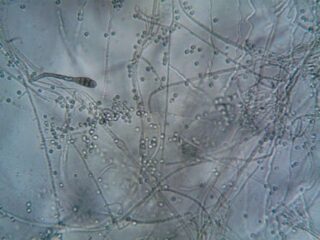
For those searching for natural remedies, discovering what herb kills yeast can be an intriguing journey. Yeast infections, often caused by an overgrowth of the fungus Candida, can be uncomfortable and persistent. While conventional treatments are available, some individuals turn to herbs for support.
Herbal Remedies: What Herb Kills Yeast?
Herbs have been used for centuries in traditional medicine, and some have properties that may help combat yeast infections. Although no herb can claim to completely eradicate yeast, several possess antifungal attributes that could be beneficial.
Garlic: Nature’s Antifungal Powerhouse
Garlic is renowned for its potent antifungal properties. Allicin, an active compound, is particularly effective against a variety of fungi, including Candida. Incorporating garlic into your diet may help support the balance of natural flora.
Tea Tree Oil: A Topical Solution
Tea tree oil, derived from the leaves of the Melaleuca alternifolia plant, is another herb with strong antifungal capabilities. When diluted and used topically, tea tree oil may help reduce yeast infections. However, direct application on sensitive areas should be done with caution and professional guidance.
Oregano Oil: A Potent Extract
Oregano oil contains carvacrol and thymol, compounds with demonstrated antifungal effects. It is often used as a supplement or diluted and applied topically. As oregano oil is quite potent, it’s important to use it under the guidance of a healthcare provider.
Echinacea: Supporting the Immune System
While Echinacea doesn’t directly kill yeast, it supports the immune system, which can aid the body in resisting infections. By boosting immune response, Echinacea might indirectly help manage yeast overgrowth. Learn more about how lifestyle choices impact your overall health by reading this comprehensive guide.
Pau D’Arco: Ancient Bark with Modern Uses
Pau D’Arco, derived from the inner bark of a South American tree, has a long history of medicinal use. Some studies suggest its compounds possess antifungal properties, making it another possible option for those exploring herbal remedies.
Considerations When Using Herbs to Combat Yeast
While exploring what herb kills yeast, keep in mind that individual results can vary. Some people may experience relief, while others may not find herbs effective. Always consider potential allergies and interactions with other medications.
Working with Healthcare Providers
Consulting a healthcare provider before starting any herbal regimen is advisable. They can offer guidance based on individual health needs and monitor for any adverse reactions or interactions.
The Role of Lifestyle in Managing Yeast Infections
Beyond herbs, consider lifestyle changes to help manage yeast infections. A balanced diet, regular exercise, and good hygiene practices play critical roles in maintaining overall health. Discover additional insights by visiting this educational resource.
In summary, while no single herb can entirely eliminate yeast infections, garlic, tea tree oil, oregano oil, Echinacea, and Pau D’Arco are among those that may help support your body as it strives for balance. Considering individual needs and working with healthcare providers can make herbal remedies a complementary option in yeast infection management.
- Herbs such as garlic and tea tree oil contain antifungal properties.
- Consult with a healthcare provider before starting any new herbal treatment.
- Lifestyle changes often complement herbal remedies effectively.
- Individual responses to herbs can vary greatly.
- Herbal remedies should be part of a holistic approach to health.
FAQ
Can herbal remedies completely cure yeast infections?
While herbs may support the management of yeast infections, they are not a substitute for medical treatments. Consulting with a healthcare provider is recommended for comprehensive care.
How should tea tree oil be used for yeast infections?
Tea tree oil should be diluted before use and applied topically. It should never be ingested or used undiluted on sensitive skin. A healthcare provider can offer specific guidance.
Are there any side effects to using herbs for yeast infections?
Some individuals may experience allergies or reactions to certain herbs. It’s important to start with small amounts and consult with a healthcare provider, especially if taking other medications.
Can changes in diet influence yeast infections?
Yes, diet can play a role. Reducing sugar and refined carbohydrates may help support the body’s natural defenses against yeast overgrowth.
What lifestyle changes can help prevent yeast infections?
Regular exercise, maintaining good hygiene, and wearing breathable clothing can help prevent yeast infections. A healthy lifestyle supports overall wellbeing and infection resistance.
Other Articles You May Find of Interest...
- How to Support Your Immune System Naturally in Everyday Life
- Chinese Medicine and Western Medicine: Different Questions
- Cellular Healing Solutions
- Acupuncture and Cupping For Cancer Side Effects
- Hot-Cold Contrast Therapy at Home: A Beginner’s Guide
- Natural Tennis Elbow Remedies That Hold Up
- How to Support Your Immune System Naturally in Everyday Life