






Your Health Magazine
4201 Northview Drive
Suite #102
Bowie, MD 20716
301-805-6805
More Heart Disease, Stroke and Diabetes Articles
Deion Sanders Health Update 2026: Bladder Cancer, Blood Clots and Current Condition
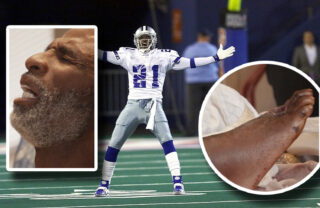
Deion Sanders Health Update 2026: What Is His Current Condition?
Deion Sanders’ health has been the subject of intense public interest following multiple serious medical challenges over the past several years. The Hall of Fame athlete and current Colorado Buffaloes head coach has faced severe blood clots and vascular complications that led to the amputation of two toes, and most recently, a diagnosis of bladder cancer.
In July 2025, Sanders revealed that doctors discovered bladder cancer during imaging performed as part of his ongoing monitoring for vascular issues. He chose to undergo surgical removal of his bladder (radical cystectomy), a procedure sometimes used for certain forms of bladder cancer. Surgeons reconstructed a new bladder using a section of his intestine. He has stated that he is currently considered cancer-free. His announcement and follow-up press conference drove a surge in searches for “Deion Sanders health update,” with many fans asking what happened and what his current condition means long-term.
Despite significant weight loss and post-surgical adjustments, Sanders has stated that he remains committed to coaching and continuing his professional responsibilities.
This 2026 health update outlines:
- What health issues Deion Sanders has faced
- What caused the loss of his toes
- Details about his bladder cancer diagnosis
- His current health status
Note: Public reporting has focused on Sanders’ vascular and clotting issues; there is no confirmed diagnosis of diabetes.
What Is Deion Sanders’ Current Health Status in 2026?
As of 2026, Deion Sanders is reported to be cancer-free following bladder removal surgery. However, he continues to manage long-term effects related to:
- Vascular complications and blood clot history
- Post-surgical recovery adjustments
While he has returned to coaching, his medical journey underscores the seriousness of chronic disease management and early detection.
Timeline of Deion Sanders’ Health Issues
2021 – Develops severe blood clots following routine foot surgery.
2021 – Suffers compartment syndrome and undergoes amputation of two toes.
Ongoing – Manages vascular health risks.
July 2025 – Bladder cancer discovered during imaging for vascular monitoring.
2025 – Undergoes bladder removal surgery and reconstruction.
2026 – Publicly stated he was considered cancer-free following surgery and continues coaching while managing recovery.
Deion Sanders’ Bladder Cancer: Diagnosis, Surgery, and Recovery
In July 2025, Deion Sanders shared that doctors detected a bladder cancer during imaging connected to his ongoing vascular monitoring.
He underwent bladder removal surgery (cystectomy). Surgeons reconstructed a new bladder using a portion of his intestine (a type of urinary diversion). After surgery, Sanders discussed the realities of recovery—including significant weight loss and adapting to changes in bladder control—while emphasizing that early detection played a key role in his outcome. Because the bladder is removed and a new urinary diversion is constructed, urinary function changes and adjustments in daily routines are common. These changes can include altered patterns of urine storage and elimination due to the type of reconstruction performed. Follow-up care focuses on recovery, adaptation to urinary changes, and routine medical monitoring. Many “Deion Sanders health update” searches focus on how he’s recovering and how his current condition impacts his day-to-day life and coaching schedule.
His case highlights two important takeaways: (1) imaging done for one health issue can sometimes detect another problem early, and (2) following through on routine medical visits can catch serious disease before symptoms become severe.
What Health Issues Does Deion Sanders Have?
Deion Sanders has faced several major health challenges, including vascular complications, and bladder cancer. His health issues began to surface more prominently when he underwent routine foot surgery to repair a dislocated toe. This seemingly simple procedure led to unforeseen complications.
1. Routine Surgery Complications
During the recovery period, Sanders developed severe blood clots in his left leg. The clots affected blood circulation, leading to compartment syndrome—a condition where increased pressure within the muscles decreases blood flow, causing tissue damage.
2. Genetic Predisposition
It’s important to note that Sanders’ family history played a crucial role in his health challenges.
Understanding these elements helps shed light on how even routine medical procedures can turn critical due to underlying health issues like genetic predisposition and existing conditions.
How Circulation Problems Affected Deion Sanders’ Health
Severe vascular disease and clotting disorders can significantly reduce blood flow to the legs and feet. When circulation is impaired — particularly after surgery — tissues may not receive enough oxygen. This can increase the risk of complications such as blood clots, compartment syndrome, tissue damage, and in extreme cases, amputation.
In Sanders’ case, public reporting has focused on post-surgical blood clots and vascular complications rather than diabetes.
Several common complications can arise due to circulation problems:
- Blood Clots: Clots obstruct the flow of blood, which can be life-threatening if not addressed promptly.
- Compartment Syndrome: This condition occurs when increased pressure within one of the body’s compartments results in insufficient blood supply to tissue.
- Gangrene: Reduced blood flow can lead to tissue death, known as gangrene. It often necessitates amputation if not treated early.
Recognizing signs of circulation problems:
- Persistent swelling in limbs
- Numbness or tingling sensations
- Pain or cramping in the legs
- Slow-healing sores or wounds
Early detection and proactive management of these symptoms are vital to prevent severe outcomes like those experienced by Deion Sanders.
The Impact of Family History on Health Risks
Understanding how family history affects health risks is crucial for managing and preventing serious conditions. Genetic factors can significantly influence the likelihood of developing illnesses such as blood circulation problems. Furthermore, it’s important to recognize that certain risk factors are influenced by our family’s medical history.
Deion Sanders’ Health Challenges
Deion Sanders’ health struggles highlight this reality. Public reporting has noted that Sanders has referenced a family history of blood clots. However, specific medical details about any underlying hereditary condition have not been publicly disclosed.
Significance of Family History:
- Informs potential health risks.
- Aids in early detection and preventive measures.
- Helps identify hereditary conditions that may require special attention.
Deion Sanders’ Case:
- Sanders has spoken publicly about family history concerns, but detailed medical findings regarding inherited clotting disorders have not been publicly released.
By recognizing these hereditary factors, individuals can take proactive steps to reduce their health risks.
Why Did Deion Sanders Lose Two Toes?
Deion Sanders’ health took a dramatic turn when severe circulation and clotting-related complications contributed to the amputation of two toes. Following routine foot surgery to repair a dislocated toe, Sanders experienced severe circulation problems due to blood clots in his leg. These clots obstructed blood flow, causing tissues in his leg to become deprived of oxygen. This condition developed into compartment syndrome, where pressure builds up within muscles, cutting off adequate blood supply.
The consequences of losing toes extend beyond the physical realm:
- Physical Impacts: Difficulty in walking or running, balance issues, and the need for specialized footwear.
It’s crucial for individuals like Sanders to undergo proper rehabilitation post-amputation to adapt to their new reality.
This story highlights how critical it is to monitor for signs of circulation issues. Ignoring such symptoms can lead to severe outcomes like limb amputation.
Advocating for Health Awareness: Lessons from Deion Sanders’ Journey
Understanding the Importance of Health Advocacy
Deion Sanders’ journey underscores the importance of health advocacy. Recognizing symptoms early and seeking medical advice promptly can prevent severe complications. As recently as July 2025, Sanders has continued to face medical challenges that required support from his full medical team – a reminder that chronic health issues demand long-term attention.
Key Actions for Personal Health Advocacy:
- Pay Attention to Your Body: Monitor changes in your health, especially if you have a family history of circulation problems.
- Seek Medical Advice: Don’t wait on symptoms like leg swelling, persistent pain, numbness, or urinary changes—especially if you have a history of clotting issues.
- Open Communication: Discuss medical histories openly within families. Understanding genetic predispositions can help in early detection and preventive care.
- Regular Check-Ups: Schedule routine check-ups, like the ones suggested in this article about how often to get routine checkups, to monitor and manage potential health issues before they escalate.
Sanders’ experience is a powerful reminder that proactive health measures are crucial. By advocating for your well-being and staying informed about your family’s medical history, you can better navigate health challenges.
Frequently Asked Questions About Deion Sanders’ Health
What health issues does Deion Sanders have?
Deion Sanders has dealt with severe blood clots, vascular complications, toe amputation, and bladder cancer diagnosed in 2025.
Is Deion Sanders cancer-free?
Yes. Following bladder removal surgery in 2025, he stated publicly that he was considered cancer-free following surgery.
What kind of cancer did Deion Sanders have?
He was diagnosed with bladder cancer discovered during imaging related to vascular monitoring.
Why did Deion Sanders lose his toes?
Complications from blood clots and impaired circulation led to compartment syndrome, resulting in the amputation of two toes.
How is Deion Sanders’ health today?
As of 2026, he continues coaching while managing post-surgical recovery following bladder reconstruction.
What happened to Deion Sanders’ health?
Over several years, Sanders dealt with major vascular complications, circulation risks, toe amputation, and later bladder cancer detected during imaging. His updates have focused on treatment, recovery, and ongoing health management.
What was Deion Sanders’ health press conference about?
Sanders’ health updates included discussion of his bladder cancer diagnosis, why he chose bladder removal surgery, and what recovery looks like as he returns to coaching.
Conclusion
Deion Sanders’ health journey highlights the importance of early detection and long-term chronic disease management. From circulation-related complications to his bladder cancer diagnosis and surgery, his experience reinforces a simple message: routine medical care, prompt evaluation of symptoms, and consistent follow-up can change outcomes. Awareness and prevention remain key lessons from Deion Sanders’ health issues.
Other Articles You May Find of Interest...
- Essential Guide to High Intensity Statins for Effective Cholesterol Management
- Unlocking the Benefits of Gemfibrozil: What Is It Used For?
- Does Flexeril Impact Blood Pressure Levels?
- Is Ranexa a Blood Thinner or Just Another Heart Medication?
- Hydralazine: How This Medication Lowers Blood Pressure and Its Benefits
- Is Your QTc Interval Within the Normal Range for Optimal Heart Health?
- Managing Atrioventricular Paced Rhythm for Optimal Heart Health



