





Awesome Smiles Dental Center
6468 Trading Square
Haymarket, VA 20169
(571) 261-2600
More Dental Health Articles
CPAP and Your Teeth
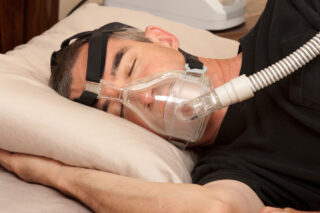
Did you know that over 22 million people suffer from some form of obstructive sleep apnea where the person stops breathing throughout the night, snores, wakes up tired, or just has poor sleep quality? What if I told you over 80% of these people were undiagnosed? People die in their sleep every night. With proper diagnosis and treatment, death is preventable. Your CPAP or customized oral appliance can help treat those suffering from obstructive sleep apnea and save your teeth.
CPAP stands for continuous positive airway pressure. It is a mask ventilator that goes on the face to help people continue to breathe at night when they have apneas. An apnea occurs when a person stops breathing for at least 10 seconds and is typically caused by an obstruction of the airway – mainly the tongue. Imagine not breathing, unknowingly, over 40 times in one hour.When the brain tries to wake you up, your teeth clench together and causes excessive wear, broken teeth, and jaw pain.
Here are three ways to protect your teeth if you suffer from obstructive sleep apnea:
- Remember, your mouth is a part of your body and is directly related to obstruction of the airway via the tongue. Your dentist should alert you to signs that appear in the mouth like scalloped tongue ridges, excessive tooth wear, and large tonsils. Coupled with questions regarding snoring, daytime tiredness, and irritability, a referral to your primary care physician and sleep specialist may follow.
- Treatment in the dental office may include a customized oral appliance that moves the jaw forward, and stops the tongue from closing the airway. Some patients just cannot tolerate the CPAP mask on their face and desire something more compact. Your medical insurance may help cover some of the cost even in the dental office, so make sure to ask your dentist about medical billing.
- Co-morbidities for sleep apnea include diabetes, high blood pressure, and asthma. Patients may also suffer from lack of sex drive and increased workplace accidents due to lack of quality sleep and fatigue. When you are stressed, you clench and grind your teeth causing damage to the jaw muscles. Wearing an appliance that protects the teeth and reduces snoring and airway obstruction is a great option.
Make sure to see your dental professional to discuss alternatives to the CPAP if you just can’t tolerate wearing it to help you breathe better, sleep better and keep your teeth healthy and strong.
Other Articles You May Find of Interest...
- Effective Remedies for Mouth Ulcer Tums: Relief and Prevention Tips
- Your Dentist Could Save Your Life: The Whole-Body Conditions That Show Up in the Mouth First
- What Makes a Smile Look ‘Done’? The Difference Between Natural and Overdone Cosmetic Dentistry
- What to Look for When Choosing a Dental Implant Provider in St. Louis
- 7 Signs You May Need a Dental Implant Instead of a Crown
- My Child Grinds Their Teeth at Night. Should I Be Worried?
- Professional Teeth Whitening vs. At-Home Kits: What Actually Works



