More Women's Health & Beauty Articles
What You Need to Know About the 10 Panel Saliva Drug Test
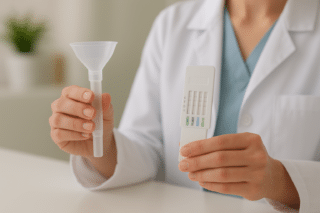
Imagine facing an unexpected drug test before an important job opportunity. For many, the idea of a 10 panel saliva drug test might sound straightforward, but it can come with a host of questions and uncertainties. These tests are commonly used in various settings to screen for different substances, providing a snapshot of recent drug use. From pre-employment screenings to random testing in the workplace, understanding what the test involves, how it works, and what it detects is essential for anyone who might need to take one.
Breaking Down the 10 Panel Saliva Drug Test
A 10 panel saliva drug test is designed to detect ten different substances in an individual’s saliva. It generally screens for common drugs such as amphetamines, cocaine, marijuana, opiates, and more. The test is non-invasive and relatively quick, often able to deliver results on-site. This convenience makes it popular with employers and other organizations that need timely results.
The saliva drug test captures substances that have been recently used, typically within the last few days. This differs from urine tests, which can sometimes detect drugs taken weeks previously. For many, the simplicity of the saliva test makes it an attractive option, although it may not have the same historical detection range as other testing methods.
Practical Insights and Considerations
One of the advantages of a saliva drug test is its ability to be administered without privacy concerns, unlike urine tests. Therefore, it fits well into various environments, from workplace testing to law enforcement. However, there are some limitations to be aware of. For instance, individuals undergoing the test need to abstain from eating, drinking, or smoking for a certain period before testing to ensure accurate results.
Some of the substances screened can affect daily life significantly. For example, traces of marijuana or cocaine detected can lead to serious repercussions in employment or legal situations. Considerations like these illustrate why such testing is crucial for maintaining safety and accountability in many sectors.
When to Seek Care
If you find yourself facing a 10 panel saliva drug test and have concerns about substances you may have used, it could be beneficial to consult a healthcare provider or counselor specially trained in substance abuse and addiction. Mental health professionals, such as psychologists or addiction specialists, can offer guidance and support, helping you manage substance use responsibly.
Furthermore, if you experience anxiety or uncertainty about the test results, reaching out to a healthcare provider can provide peace of mind and practical advice.
Switching Medications: What to Consider
If you’re on prescription medication that could affect your drug test results, it’s important to discuss this with your doctor before taking the test. While the 10 panel saliva drug test is designed to detect specific illicit substances, some legal prescriptions can cause false positives. Open communication with your healthcare provider about your medications and any over-the-counter drugs you use can prevent misunderstandings.
It’s also essential to know that you should not stop taking prescribed medications without consulting your doctor, even if concerned about the drug test. Your doctor can provide a note explaining the presence of prescribed substances in your system, which can be presented to preempt any issues with test results.
Exploring Broader Health Topics
Drug testing is just one aspect of a broader conversation about health, substance use, and wellness. Whether you’re dealing with substance use, interested in preventive health measures, or looking to understand nutritional impacts on your body, there are numerous health topics to explore. For credible information and resources, you can visit health topics on MedlinePlus.
Takeaways
- The 10 panel saliva drug test screens for recent drug use and is widely used for pre-employment and workplace testing.
- Saliva tests are non-invasive and provide quick results.
- False positives can occur due to some prescription medications, so discussing with a doctor is recommended.
- Consult healthcare providers for concerns related to drug testing results and substance use.
- For broader understanding on addiction, read more about drug and alcohol addiction.
Common Questions
What is a 10 panel saliva drug test used for?
The 10 panel saliva drug test is primarily used to detect the presence of commonly abused substances. It’s often utilized for pre-employment screenings, in workplaces for ongoing employee testing, and sometimes by law enforcement in certain scenarios.
Can a saliva drug test detect prescription drugs?
While the primary focus is on illicit drugs, some prescribed medications might cause a false positive. It’s crucial to inform the testing administrator about any medications you’re taking.
When should someone consult a healthcare provider regarding this test?
If you’re worried about potential results due to either prescription medication or other substance use, consulting a healthcare provider or counselor before the test can provide guidance and alleviate concerns.
How does recent drug use influence test results?
The saliva drug test is effective at identifying recent drug use, typically within the last 24-48 hours. This means that substances taken closer to the test time will be more likely detected.
Where can I learn more about drug-related health and wellness?
For further education on various health and wellness topics, including the impacts of drug use, consider exploring MedlinePlus for comprehensive resources and information.
Other Articles You May Find of Interest...
- Can Bifidobacterium Bacteria Help Your Vagina?
- 5 Common Reproductive Health Concerns and When to Seek Care
- Postpartum Health & C-Section Recovery
- What Breast Pain Usually Means, and Rarely Does
- Stretch Mark Treatments: A Pregnancy-First Guide for Expecting Moms
- When Should You Seek a Second Opinion for a Gynaecological Condition?
- The Brain Fog of Menopause Is Real and Does Not Necessarily Mean Early Dementia