More Women's Health & Beauty Articles
Understanding the Causes and Implications of Red Purple Eyes
“`html
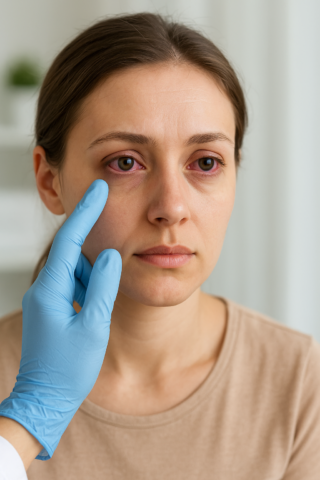
Imagine waking up one morning and noticing that the whites of your eyes appear red or even purple. This unexpected change can be unsettling, raising concerns about underlying health issues. With a little understanding, the causes behind these red purple eyes become clearer, helping to alleviate worry and guide appropriate actions.
Understanding Red Purple Eyes
Red purple eyes can arise from various factors, ranging from minor irritations to more serious health conditions. Common causes include eye strain, allergies, infections, or injury. Occasionally, it may be a sign of a more significant issue, such as a burst blood vessel, which is usually painless and resolves on its own over time.
Additionally, lifestyle habits like excessive screen time or lack of sleep can contribute to this condition. Sometimes, medications or supplements may affect the appearance of your eyes, underscoring the importance of understanding potential side effects and discussing them with your healthcare provider.
Medication and Red Purple Eyes: What to Consider
If you suspect a medication is affecting your eye health, it’s vital to talk with your doctor before making any changes. They can determine whether the medication should be adjusted or if an alternative treatment may be more suitable.
It’s common to wonder if red purple eyes are a temporary side effect or if they might persist. In many cases, when a medication is to blame, the symptom may subside once the medication is discontinued. However, ensuring any change is safe and effective requires a medical professional’s input.
Discussing the potential risks and benefits of both prescription and over-the-counter medications with your healthcare provider can help manage symptoms and maintain eye health.
When to Seek Care
While red purple eyes are often harmless and temporary, there are instances when it is crucial to seek medical attention. If you experience pain, vision changes, or discharge from the eyes, a visit to an optometrist or ophthalmologist is recommended. These specialists can effectively diagnose and treat a variety of eye-related issues.
Persistent or recurrent symptoms, especially when accompanied by other health changes, warrant a thorough evaluation to rule out underlying conditions. Don’t hesitate to contact a healthcare provider if you have concerns about your eye health or if symptoms interfere with daily activities.
Everyday Impact and Lifestyle Tips
Beyond the physical discomfort, having noticeably red or purple eyes can affect self-confidence and social interactions. To help manage and prevent these symptoms, consider these lifestyle tips:
- Take regular breaks from screens to reduce eye strain.
- Ensure adequate sleep to allow eyes to rest and recover.
- Stay hydrated; dehydration can contribute to eye irritation.
- Use protective eyewear during hazardous activities.
- Consider antihistamines if allergies are the cause.
Implementing these strategies may help improve eye health and reduce occurrences of red purple eyes.
Exploring Supports and Treatments
While no food or supplement is a cure-all, certain nutrients like vitamin A and omega-3 fatty acids may support eye health. These can be found in foods such as fish, leafy greens, and carrots. However, it’s best to discuss supplementation with a healthcare provider to ensure it’s appropriate for your needs.
For an in-depth understanding of various eye diseases and their implications, visit MedlinePlus Eye Diseases for more information.
Takeaways
- Red purple eyes are often due to minor causes but can signify more serious conditions.
- Consult a healthcare provider if symptoms persist or worsen.
- Discuss any medication impacts with a doctor to ensure safe treatment.
- Implement lifestyle changes to alleviate symptoms.
- Nutrient-rich foods may support overall eye health.
Common Questions
When should I see a doctor for red purple eyes?
See a doctor if symptoms persist, worsen, or are accompanied by pain, vision changes, or discharge.
What type of healthcare provider treats eye conditions?
Optometrists and ophthalmologists specialize in diagnosing and treating eye-related conditions.
What are common causes of red purple eyes?
Common causes include eye strain, allergies, infections, injury, and sometimes particular medications.
How can red purple eyes affect my daily life?
This condition can cause physical discomfort and impact self-esteem or social interactions.
What lifestyle changes can help prevent red purple eyes?
Taking breaks from screens, getting adequate sleep, and staying hydrated can help prevent symptoms.
“`
Other Articles You May Find of Interest...
- The Stages of Labor, Explained From First Contraction to Birth
- Can Bifidobacterium Bacteria Help Your Vagina?
- 5 Common Reproductive Health Concerns and When to Seek Care
- Postpartum Health & C-Section Recovery
- What Breast Pain Usually Means, and Rarely Does
- Stretch Mark Treatments: A Pregnancy-First Guide for Expecting Moms
- When Should You Seek a Second Opinion for a Gynaecological Condition?